Angina pectoris, commonly referred to simply as angina, is a condition characterized by chest pain or discomfort that occurs when the heart muscle doesn’t get enough oxygen-rich blood. While angina is not a disease itself, it is often a warning sign of underlying heart disease, typically coronary artery disease (CAD). Understanding the causes, symptoms, and treatment options for angina can help individuals manage their heart health and reduce the risk of more serious heart conditions, such as heart attacks.
Angina is not a disease but a symptom of heart disease, specifically coronary artery disease. The term “angina pectoris” comes from the Latin word “angere,” meaning to strangle, and “pectoris,” meaning chest. It describes the feeling of tightness or pressure in the chest that can be associated with physical exertion, emotional stress, or other factors that increase the heart’s demand for oxygen.
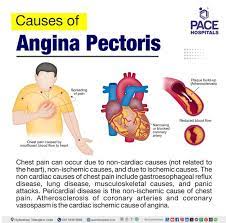
The pain or discomfort occurs because the coronary arteries, which supply blood to the heart muscle, become narrowed or blocked by a buildup of fatty deposits (atherosclerosis). This reduces the flow of oxygen-rich blood to the heart, especially when it needs more oxygen, such as during physical activity or stress.
Types of Angina
Angina can be classified into different types based on the cause, severity, and pattern of symptoms:
1. Stable Angina
- This is the most common form of angina. It occurs in a predictable pattern, typically during physical activity or emotional stress. The pain is often relieved with rest or nitroglycerin (a medication that dilates blood vessels).
- The pain is usually short-lived, lasting only a few minutes, and often feels like pressure, squeezing, or tightness in the chest.
2. Unstable Angina
- Unstable angina is more unpredictable and can occur at rest or with minimal exertion. It lasts longer than stable angina and may not be relieved with rest or medication.
- This type of angina is considered a medical emergency because it can indicate that a heart attack is imminent.
3. Variant (Prinzmetal) Angina
- Variant angina is a rare form of angina caused by a spasm in the coronary arteries, which temporarily narrows the arteries and reduces blood flow to the heart.
- It typically occurs at rest and may happen during sleep, often being relieved by medications like calcium channel blockers.
Causes and Risk Factors
The primary cause of angina is coronary artery disease, where a buildup of fatty deposits (plaque) narrows the arteries and reduces blood flow. Several factors can increase the risk of developing angina:
- Atherosclerosis: The buildup of plaque in the coronary arteries is the most common cause of angina.
- High blood pressure (hypertension): Increased pressure can damage the blood vessels, making them more prone to atherosclerosis.
- High cholesterol levels: Elevated cholesterol can contribute to plaque buildup.
- Smoking: Smoking accelerates the development of plaque and reduces oxygen in the blood, putting additional strain on the heart.
- Diabetes: Diabetes increases the risk of heart disease by contributing to atherosclerosis.
- Family history: A family history of heart disease or early heart attacks can increase an individual’s risk.
- Obesity: Being overweight increases the likelihood of developing high blood pressure, diabetes, and high cholesterol.
- Sedentary lifestyle: Lack of physical activity can lead to heart disease risk factors like obesity and high blood pressure.
Symptoms of Angina
The main symptom of angina is chest pain or discomfort. Other symptoms may include:
- Pain or pressure in the chest, which may feel like a tightness, squeezing, or burning sensation
- Pain radiating to other areas, such as the arms, shoulders, neck, jaw, or back
- Shortness of breath
- Fatigue or weakness
- Dizziness or lightheadedness
- Nausea
It’s important to note that the intensity and frequency of angina symptoms can vary depending on the type of angina. In some cases, the pain is mild and only occurs with physical exertion, while in other cases, the pain is severe and can occur at rest.
Diagnosis of Angina Pectoris
To diagnose angina, doctors will typically perform a combination of the following:
- Medical History and Physical Exam: The doctor will ask about symptoms, risk factors, and family history of heart disease.
- Electrocardiogram (ECG): An ECG records the electrical activity of the heart and can help identify signs of ischemia (lack of blood flow).
- Stress Test: This test involves exercising on a treadmill or using medication to stress the heart while monitoring it for signs of reduced blood flow.
- Coronary Angiography: This is an imaging test that uses dye and X-rays to visualize the coronary arteries and detect blockages.
- Blood Tests: Elevated levels of certain substances in the blood, like troponin, can indicate heart damage.
Treatment Options for Angina
While angina cannot be cured, various treatment options can help manage symptoms, reduce the frequency of angina attacks, and improve overall heart health. Treatment approaches may include:
1. Medications
- Nitrates: Medications like nitroglycerin help relax and dilate blood vessels, making it easier for blood to flow to the heart.
- Beta-blockers: These reduce the heart’s workload by lowering heart rate and blood pressure.
- Calcium channel blockers: These medications relax and widen blood vessels to improve blood flow.
- Aspirin: Helps prevent blood clots, reducing the risk of heart attacks.
- Statins: Help lower cholesterol levels, slowing the progression of atherosclerosis.
2. Lifestyle Changes
- Diet: Eating a heart-healthy diet low in saturated fats, cholesterol, and salt can help manage blood pressure and cholesterol levels.
- Exercise: Regular physical activity strengthens the heart and improves circulation.
- Smoking Cessation: Quitting smoking significantly reduces the risk of heart disease.
- Stress Management: Learning techniques to manage stress, such as relaxation exercises or yoga, can help reduce angina episodes.
3. Surgical Interventions
- Angioplasty and Stent Placement: In cases where blockages are severe, a catheter-based procedure can open the blocked artery and a stent can be placed to keep the artery open.
- Coronary Artery Bypass Grafting (CABG): In more advanced cases, bypass surgery may be necessary to reroute blood flow around the blocked arteries.
Preventing Angina Pectoris
While it may not always be possible to prevent angina, making healthy lifestyle choices can significantly reduce the risk of developing the condition or experiencing more severe symptoms. Some key preventive measures include:
- Maintaining a healthy weight
- Eating a heart-healthy diet
- Exercising regularly
- Managing stress
- Controlling blood pressure and cholesterol levels
- Avoiding smoking and excessive alcohol consumption
Conclusion
Angina pectoris is a common yet serious condition that signals underlying heart disease, particularly coronary artery disease. While it can be frightening, understanding the symptoms, causes, and treatment options can help individuals manage their heart health and reduce the risk of more serious heart problems, such as heart attacks. With proper care, lifestyle modifications, and medical treatment, people with angina can live a full, active life.
The list of some Angina Pectoris medicine:
Nitrovas
Cab
Amdocal
Veracal SR
Veracal