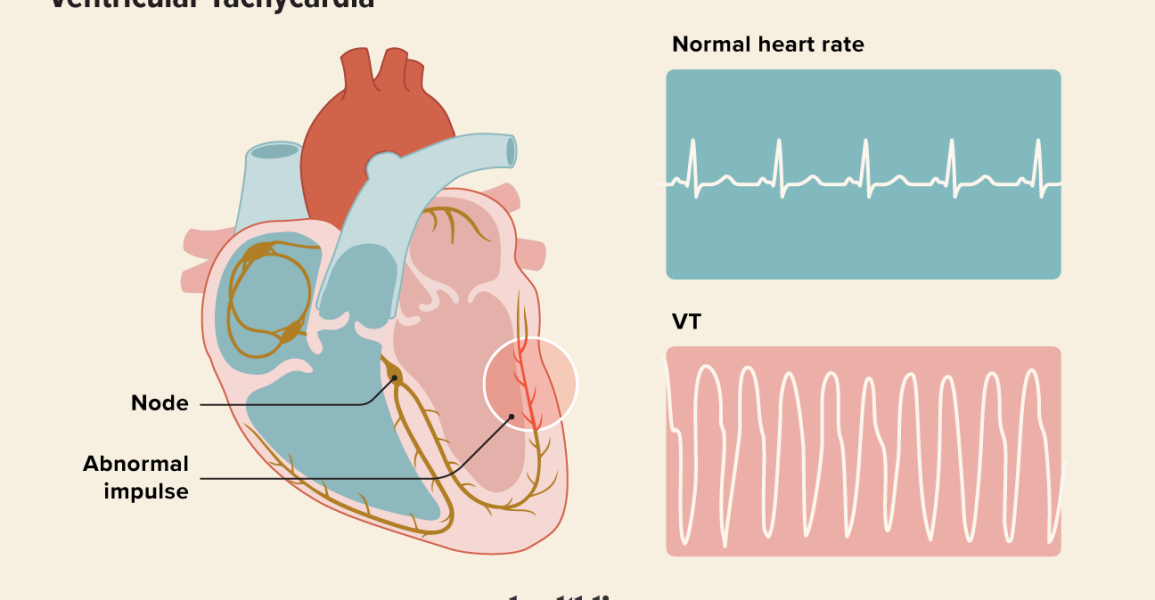
Our hearts beat rhythmically to pump blood throughout the body—a perfect balance of electrical signals and muscle contractions. But what happens when that rhythm goes haywire? Ventricular Tachycardia (VT) is one such scenario, where the heart beats so fast that it can’t pump blood effectively, leading to serious health risks, and in some cases, life-threatening complications.
Understanding this condition can help individuals recognize symptoms early and seek timely treatment.
Ventricular Tachycardia is a fast heart rhythm that originates in the lower chambers of the heart, known as the ventricles. In VT, the ventricles beat rapidly—often more than 100 beats per minute—independently of the upper chambers (the atria). This disrupts the heart’s ability to fill properly between beats, reducing blood flow to the rest of the body.
There are two primary types:
- Sustained VT: Lasts for more than 30 seconds or requires medical intervention.
- Non-sustained VT: Lasts less than 30 seconds and may stop on its own.
Causes and Risk Factors
Ventricular Tachycardia typically arises due to problems in the heart’s electrical system, often caused by underlying heart disease. Common causes include:
- Coronary artery disease or heart attack (myocardial infarction)
- Cardiomyopathy (weakened or enlarged heart muscle)
- Congenital heart defects
- Heart surgery complications
- Electrolyte imbalances, such as low potassium or magnesium
- Certain medications or stimulants (e.g., caffeine, cocaine, or amphetamines)
- Genetic conditions, like Long QT syndrome or Brugada syndrome
Symptoms of Ventricular Tachycardia
The symptoms of VT can vary depending on the duration and severity. Some people may have no symptoms at all, especially in the case of non-sustained VT. However, when symptoms do occur, they may include:
- Palpitations (sensation of a racing heart)
- Dizziness or lightheadedness
- Shortness of breath
- Chest pain
- Fainting (syncope)
- Fatigue
- In severe cases: sudden cardiac arrest
Sustained VT is a medical emergency and requires immediate attention.
Diagnosing VT
Diagnosis begins with a detailed medical history, physical exam, and a series of heart tests, such as:
- Electrocardiogram (ECG or EKG): Captures the heart’s electrical activity.
- Holter monitor or event recorder: Tracks irregular rhythms over time.
- Echocardiogram: Evaluates the structure and function of the heart.
- Electrophysiology study (EPS): Identifies the source of the abnormal rhythm.
- Blood tests: To check for electrolyte levels or other contributing conditions.
Treatment Options for Ventricular Tachycardia
Treatment depends on the type, frequency, and severity of the arrhythmia, as well as the patient’s overall heart health. Common treatments include:
1. Medications
- Antiarrhythmic drugs (e.g., amiodarone, lidocaine) to control heart rhythm.
- Beta-blockers to reduce heart rate and workload.
2. Electrical Cardioversion
- A controlled electric shock restores normal rhythm in emergencies or persistent VT.
3. Catheter Ablation
- A minimally invasive procedure where the source of abnormal signals is destroyed using radiofrequency energy or cryotherapy.
4. Implantable Cardioverter-Defibrillator (ICD)
- A small device implanted in the chest that detects dangerous rhythms and delivers a shock to correct them. It’s often recommended for people at high risk of sudden cardiac arrest.
Living with Ventricular Tachycardia
While a diagnosis of VT can be intimidating, many people live full, active lives with proper treatment and lifestyle adjustments. These may include:
- Managing underlying heart conditions like high blood pressure or coronary artery disease
- Avoiding triggers, such as caffeine, stress, or certain medications
- Maintaining a heart-healthy lifestyle, including a balanced diet and regular exercise (as advised by a doctor)
- Regular follow-up care with a cardiologist
- Being prepared for emergencies, especially if you have an ICD
When to Seek Medical Help
You should seek immediate medical attention if you experience:
- Sudden chest pain
- Fainting or near-fainting
- A rapid, irregular heartbeat that doesn’t stop
- Shortness of breath or confusion
These could be signs of a serious arrhythmia or even cardiac arrest.
Conclusion
Ventricular Tachycardia is a serious heart rhythm disorder, but with early diagnosis, proper treatment, and lifestyle management, many individuals can reduce their risks and maintain a good quality of life. Understanding the signs, causes, and available treatments empowers patients and families to take control of their heart health.
The list of some Ventricular Tachycardia medicine:
Mexohar