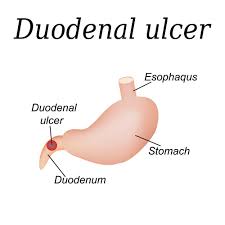
Duodenal ulcers are a type of peptic ulcer that form in the first part of the small intestine, known as the duodenum. These ulcers occur when the lining of the duodenum becomes damaged by stomach acid, leading to painful sores. Although they can cause significant discomfort, duodenal ulcers are typically treatable with proper medical care and lifestyle changes.
In this blog, we’ll dive into what duodenal ulcers are, their causes, symptoms, and the best approaches for treatment and prevention.
A duodenal ulcer is a break or sore that develops in the inner lining of the duodenum. The duodenum plays a crucial role in digestion, receiving partially digested food from the stomach and mixing it with digestive juices from the pancreas and bile from the liver.
Normally, a balance exists between the digestive acids and the protective lining of the gastrointestinal tract. However, when this balance is disrupted, the acids can erode the lining, leading to an ulcer.
Causes of Duodenal Ulcers
Several factors can contribute to the development of duodenal ulcers, including:
- Helicobacter pylori infection (H. pylori): This spiral-shaped bacterium is one of the most common causes of ulcers. It weakens the mucous coating of the duodenum, allowing acid to cause damage.
- Nonsteroidal anti-inflammatory drugs (NSAIDs): Frequent use of medications like ibuprofen, aspirin, and naproxen can irritate or inflame the lining of the stomach and duodenum.
- Excess stomach acid production: Conditions like Zollinger-Ellison syndrome, although rare, can lead to increased acid production and ulcer formation.
- Lifestyle factors: Smoking, excessive alcohol consumption, high-stress levels, and poor diet can increase the risk of developing ulcers, although they are not direct causes.
Understanding the cause is key to selecting the right treatment and preventing recurrence.
Symptoms of Duodenal Ulcers
Duodenal ulcers can present with a variety of symptoms. Common signs include:
- Burning or gnawing pain in the abdomen: Often felt between meals or during the night when the stomach is empty. Eating can temporarily relieve the discomfort.
- Bloating and a feeling of fullness
- Nausea or vomiting
- Unintended weight loss
- Loss of appetite
In some cases, ulcers can lead to more serious complications, such as bleeding, perforation, or obstruction of the digestive tract. Symptoms of a complicated ulcer include:
- Vomiting blood (which may appear red or black)
- Black or tarry stools
- Sudden, severe abdominal pain
These are medical emergencies and require immediate attention.
How Are Duodenal Ulcers Diagnosed?
If a healthcare provider suspects a duodenal ulcer, they may recommend:
- Endoscopy: A thin, flexible tube with a camera is inserted down the throat to view the stomach and duodenum directly. This is the most accurate way to diagnose ulcers.
- Testing for H. pylori: Breath tests, blood tests, stool tests, or biopsy during endoscopy can detect the presence of H. pylori infection.
- Barium swallow (upper GI series): An X-ray examination after drinking a barium solution can outline the stomach and duodenum, revealing ulcers.
Proper diagnosis is crucial to determine the best course of treatment.
Treatment Options for Duodenal Ulcers
Treatment usually focuses on healing the ulcer, relieving symptoms, and preventing complications. The approach often includes:
1. Medications
- Proton pump inhibitors (PPIs): Such as omeprazole or lansoprazole, reduce stomach acid production, allowing the ulcer to heal.
- H2-receptor antagonists: Like ranitidine or famotidine, also reduce acid but are less potent than PPIs.
- Antibiotics: If H. pylori infection is present, a combination of antibiotics is used to eradicate the bacteria.
- Antacids: These can provide quick symptom relief by neutralizing stomach acid.
- Protective medications: Such as sucralfate, which coats the ulcer and protects it from stomach acid.
2. Lifestyle Changes
- Avoiding NSAIDs unless absolutely necessary
- Quitting smoking
- Reducing alcohol intake
- Eating smaller, more frequent meals
- Managing stress through relaxation techniques or therapy
3. Surgery
- Rarely needed, but may be necessary for ulcers that don’t heal, bleed heavily, or cause obstruction.
Preventing Duodenal Ulcers
While not all ulcers can be prevented, several steps can lower the risk:
- Limiting NSAID use and using protective medications when NSAIDs are necessary
- Testing for and treating H. pylori if symptoms suggest infection
- Adopting a healthy lifestyle with a balanced diet, regular exercise, and stress management
- Avoiding smoking and heavy alcohol consumption
Early intervention and healthy habits can make a big difference in reducing the risk of ulcers and their complications.
Conclusion Duodenal ulcers are a common yet treatable condition affecting the digestive system. With appropriate diagnosis, medication, and lifestyle changes, most ulcers heal without long-term issues. If you experience symptoms like persistent abdominal pain, nausea, or unexplained weight loss, it’s important to seek medical evaluation.
The list of some Duodenal Ulcers medicine: