Toxocariasis is a lesser-known but significant zoonotic disease — meaning it can be transmitted from animals to humans. Caused by the larvae of roundworms commonly found in dogs and cats, this infection can lead to serious health issues if left untreated. While awareness of toxocariasis remains low in many places, understanding its risks, symptoms, and prevention is essential for maintaining both human and animal health.
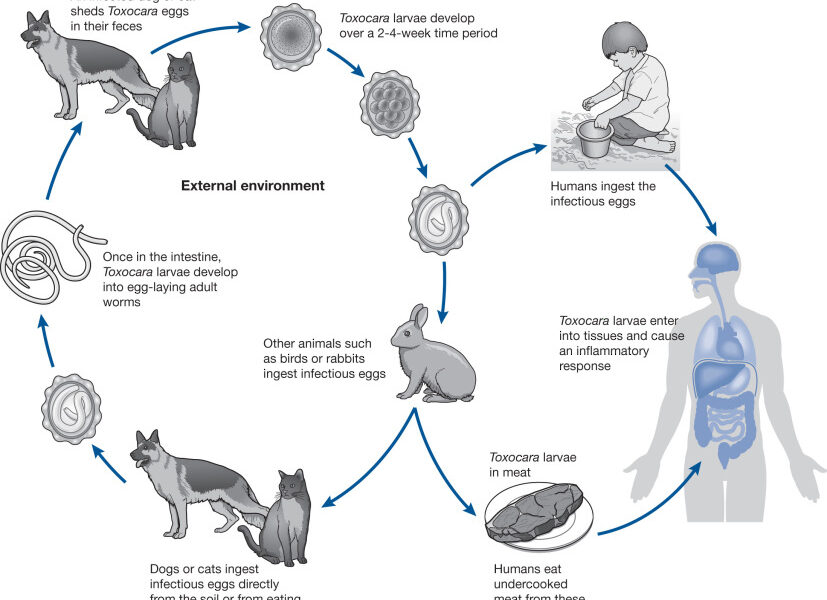
Toxocariasis is an infection caused by Toxocara canis (dog roundworm) or Toxocara cati (cat roundworm). These parasites are commonly found in the intestines of dogs, cats, and other canines and felines. Adult worms living in these animals produce eggs that are shed in the feces. Humans become accidental hosts when they ingest these eggs, usually through contact with contaminated soil, food, or surfaces.
Once inside the human body, the eggs hatch into larvae that can migrate through various tissues, leading to a condition known as larva migrans.
How Do People Get Infected?
Humans, especially children, can become infected by:
- Accidentally ingesting contaminated soil (playing in sandboxes or gardens)
- Consuming unwashed fruits or vegetables
- Contact with contaminated pet fur, though this is less common
- Poor hygiene practices, like not washing hands after playing outdoors or handling animals
Since the eggs must mature in the environment before they become infectious, direct contact with an animal usually does not cause immediate infection unless hygiene is neglected.
Forms of Toxocariasis
There are two main clinical forms of toxocariasis:
1. Visceral Larva Migrans (VLM)
This form occurs when the larvae travel through major organs such as the liver, lungs, or brain. Symptoms can include:
- Fever
- Fatigue
- Coughing or wheezing
- Abdominal pain
- Enlarged liver or spleen
2. Ocular Larva Migrans (OLM)
In this form, the larvae invade the eye, which can lead to:
- Vision loss
- Eye inflammation
- Retinal damage
- Sometimes permanent blindness if not treated promptly
Ocular toxocariasis typically affects only one eye and is more common in older children and young adults.
Symptoms of Toxocariasis
Symptoms vary depending on the number of larvae and the organs affected. Some individuals may not experience noticeable symptoms at all, while others may develop serious complications. Common signs to watch for include:
- Persistent cough
- High fever
- Seizures (in rare cases)
- Unexplained vision problems
- General malaise and weakness
Early diagnosis and treatment are crucial to prevent long-term damage, particularly in cases of ocular involvement.
Diagnosing Toxocariasis
Diagnosis is usually based on:
- Medical history and symptoms
- Blood tests looking for elevated levels of eosinophils (a type of white blood cell)
- Serological tests that detect antibodies against Toxocara parasites
- Imaging studies, such as ultrasound, CT, or MRI scans, for identifying larval migration in organs
Because symptoms are often non-specific, toxocariasis can sometimes be mistaken for other illnesses, making thorough medical evaluation important.
Treatment Options
Toxocariasis can be treated effectively, especially when diagnosed early. Treatment strategies may include:
- Antiparasitic medications such as albendazole or mebendazole to kill the larvae
- Corticosteroids to manage inflammation caused by migrating larvae
- Eye surgery in severe cases of ocular toxocariasis to repair damage and preserve vision
Preventive measures and regular follow-up are crucial to ensure complete recovery and to prevent recurrence.
How to Prevent Toxocariasis
Prevention focuses on both personal hygiene and responsible pet care:
- Deworm pets regularly as advised by a veterinarian.
- Wash hands thoroughly after handling animals or playing outdoors.
- Teach children the importance of handwashing before eating and after outdoor activities.
- Clean up pet feces promptly from yards, parks, and playgrounds.
- Cover sandboxes when not in use to prevent animals from defecating in them.
- Wash fruits and vegetables thoroughly before eating.
By following these steps, we can greatly reduce the risk of transmission and protect vulnerable populations, especially young children.
Conclusion
Toxocariasis is a preventable disease that highlights the close relationship between animal health and human health. With simple hygiene practices, responsible pet ownership, and community education, we can minimize the risks posed by this hidden threat. Awareness is the first step toward prevention — and ultimately, toward safer and healthier lives for both people and their pets.
The list of some Toxocariasis medicine:
Solas