Breathing is something most people take for granted—until it becomes difficult. For millions of individuals around the world, simply taking a breath can feel like a daily battle. This is the reality of living with Chronic Obstructive Pulmonary Disease, commonly known as COPD. A progressive lung condition, COPD gradually limits airflow, making breathing increasingly hard over time.
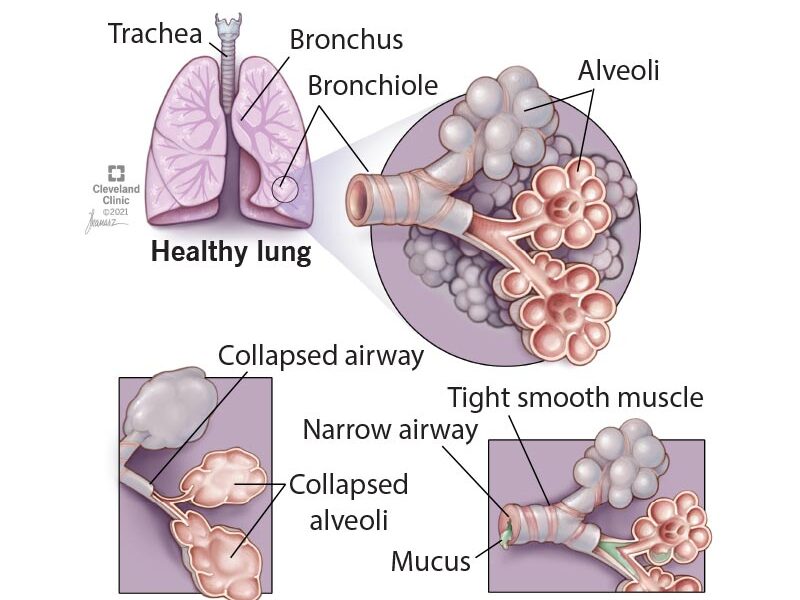
COPD is not a single disease, but rather a group of progressive lung conditions that obstruct airflow and cause breathing difficulties. The two primary forms are:
- Chronic Bronchitis: Characterized by inflammation of the bronchial tubes and long-term cough with mucus.
- Emphysema: Involves the destruction of the alveoli (air sacs) in the lungs, reducing oxygen exchange.
Most people with COPD have both conditions to varying degrees.
What Causes COPD?
The leading cause of COPD is long-term exposure to lung irritants. In most cases, the culprit is cigarette smoke. However, other contributors include:
- Air pollution
- Occupational exposure to dust, chemicals, or fumes
- Secondhand smoke
- Genetic factors, such as Alpha-1 Antitrypsin Deficiency (a rare inherited condition)
- A history of frequent lung infections in childhood
Recognizing the Symptoms
Symptoms of COPD often develop slowly and may be mistaken for aging or lack of fitness. Common symptoms include:
- Persistent cough, often with mucus (a “smoker’s cough”)
- Shortness of breath, especially during physical activity
- Wheezing
- Chest tightness
- Fatigue
- Frequent respiratory infections
- Unintended weight loss (in later stages)
Since the symptoms are gradual, many people don’t seek help until the disease has significantly progressed.
How is COPD Diagnosed?
Early diagnosis is essential for managing COPD effectively. Doctors typically use:
- Spirometry: A simple lung function test that measures how much air you can breathe in and out, and how fast.
- Chest X-rays or CT scans: To view lung damage and rule out other conditions.
- Arterial blood gas tests: To determine how well your lungs are transferring oxygen into the blood.
- Medical history and physical examination
Living with COPD: Management and Treatment
Although COPD is incurable, it is manageable—especially if diagnosed early. Treatment focuses on relieving symptoms, preventing complications, and slowing disease progression. Common strategies include:
- Smoking cessation: The single most important step in slowing disease progression.
- Medications: Such as bronchodilators, corticosteroids, and antibiotics (for infections).
- Pulmonary rehabilitation: A program that includes exercise training, nutritional advice, and education to improve quality of life.
- Oxygen therapy: For those with low blood oxygen levels.
- Surgery: In severe cases, lung volume reduction surgery or lung transplants may be considered.
Lifestyle Tips for COPD Patients
Managing COPD involves more than medication. Lifestyle changes play a major role:
- Avoid pollutants and allergens that can trigger symptoms.
- Stay active with doctor-approved exercise to maintain lung function.
- Eat a balanced diet to support your immune system and overall health.
- Get vaccinated against flu and pneumonia to prevent respiratory infections.
- Practice breathing techniques, such as pursed-lip breathing and diaphragmatic breathing, to help control breathlessness.
Emotional and Mental Health
COPD can be emotionally challenging. The limitations it imposes on daily life may lead to anxiety, depression, or social isolation. Support groups, counseling, and open communication with loved ones can provide valuable relief and emotional strength.
Hope Through Research
Ongoing research continues to explore better ways to diagnose, treat, and potentially reverse the effects of COPD. New drug therapies, regenerative treatments, and personalized medicine offer hope for improved outcomes in the future.
Conclusion
COPD is a serious and progressive condition, but it doesn’t have to define your life. With proper treatment, lifestyle changes, and support, people living with COPD can lead fulfilling and active lives. Awareness is the first step—if you or someone you know is experiencing chronic respiratory symptoms, don’t wait. Early action can make all the difference.
The list of some Chronic Obstructive Pulmonary Disease medicine:
Catium Es
Catium