Cancer can develop in nearly every organ of the body, and sometimes, it begins in the narrow passageways called ducts—tubes that transport fluids like bile, pancreatic enzymes, or breast milk. Duct cancer is a broad term that refers to malignancies starting in these ductal systems. While not as widely known as some other cancers, duct cancers can be aggressive and life-threatening, especially when detected late.
Duct cancer arises from the epithelial cells lining the ducts in various organs. These cancers often begin silently, without symptoms in the early stages, making early diagnosis a challenge. Some of the most common forms of duct cancer include:
- Bile Duct Cancer (Cholangiocarcinoma)
- Pancreatic Ductal Adenocarcinoma
- Ductal Carcinoma In Situ (DCIS) of the breast
Each of these affects a different part of the body, but all involve the abnormal growth of cells in ductal tissues.
Types of Duct Cancer and Their Impact
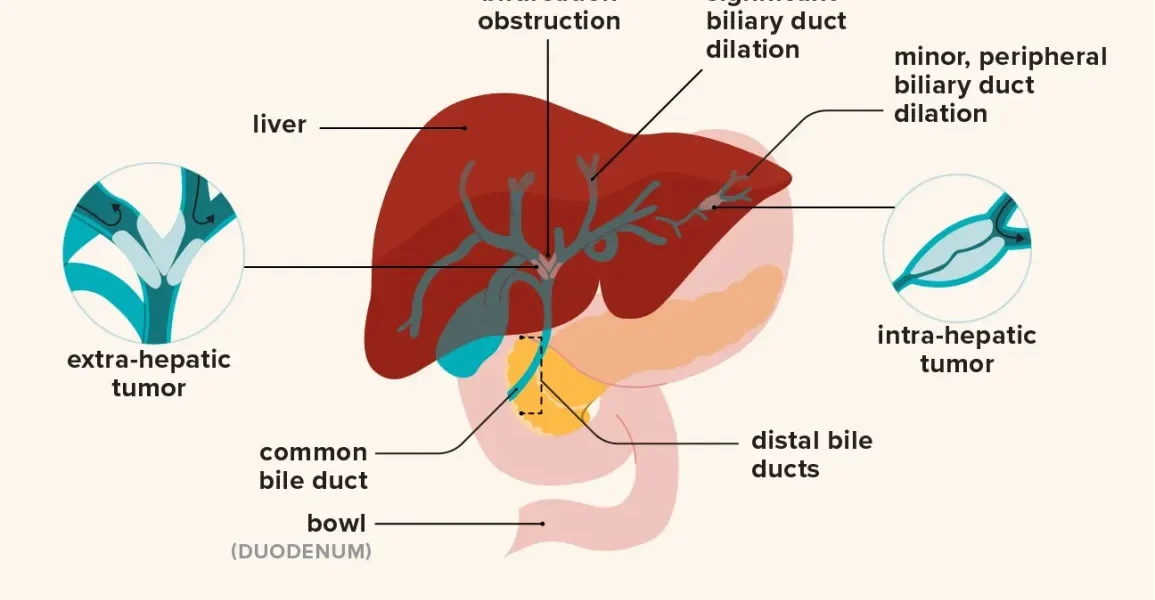
This rare cancer originates in the bile ducts, which are responsible for transporting bile from the liver to the small intestine. It can be classified into intrahepatic (within the liver), perihilar, or distal (closer to the small intestine).
- Symptoms: Yellowing of the skin (jaundice), dark urine, abdominal pain, unexplained weight loss.
- Risk Factors: Chronic liver disease, bile duct inflammation, parasitic infections.
- Treatment: Surgery, chemotherapy, radiation, or liver transplantation, depending on the stage.
The most common type of pancreatic cancer, this form begins in the ducts of the pancreas, which carry digestive enzymes. It is one of the most lethal cancers due to its rapid progression and late detection.
- Symptoms: Abdominal or back pain, jaundice, nausea, loss of appetite, sudden-onset diabetes.
- Risk Factors: Smoking, chronic pancreatitis, family history, obesity.
- Treatment: Surgery (often a Whipple procedure), chemotherapy, radiation, or palliative care.
This non-invasive breast cancer starts in the milk ducts and has not spread to surrounding tissues. Though not immediately life-threatening, DCIS can evolve into invasive breast cancer if left untreated.
- Symptoms: Often detected through routine mammograms; may cause lumps or nipple discharge.
- Risk Factors: Hormonal imbalances, family history, age, high breast density.
- Treatment: Lumpectomy, mastectomy, radiation, and sometimes hormone therapy.
Why Early Detection Matters
Duct cancers are often diagnosed late because early symptoms can be vague or nonexistent. This delay in detection significantly affects survival rates. Regular screenings, especially for those with risk factors, can lead to earlier diagnoses and more effective treatment.
For example:
- Mammograms are critical for identifying DCIS early.
- Imaging tests like CT scans or MRIs help detect bile and pancreatic duct cancers.
- Blood tests, such as CA 19-9, may help monitor pancreatic cancer.
Living with Duct Cancer
Living with duct cancer can be physically and emotionally taxing. Treatment can involve surgery, medication, lifestyle changes, and long-term monitoring. Support groups, mental health resources, and nutritional guidance are important aspects of coping and recovery.
Prevention and Healthy Habits
While not all duct cancers can be prevented, certain lifestyle choices can lower the risk:
- Quit smoking and avoid excessive alcohol use
- Maintain a healthy weight and balanced diet
- Exercise regularly
- Manage underlying health conditions such as diabetes or hepatitis
- Stay informed about your family medical history and undergo recommended screenings
Conclusion
Duct cancer may not be as widely recognized as some other cancers, but its impact can be just as severe. Awareness, education, and regular health check-ups are key to early detection and better outcomes. Whether it’s a suspicious lump, a change in appetite, or unexplained fatigue, listening to your body and consulting a healthcare provider can make a crucial difference.
The list of some Duct Cancer medicine: