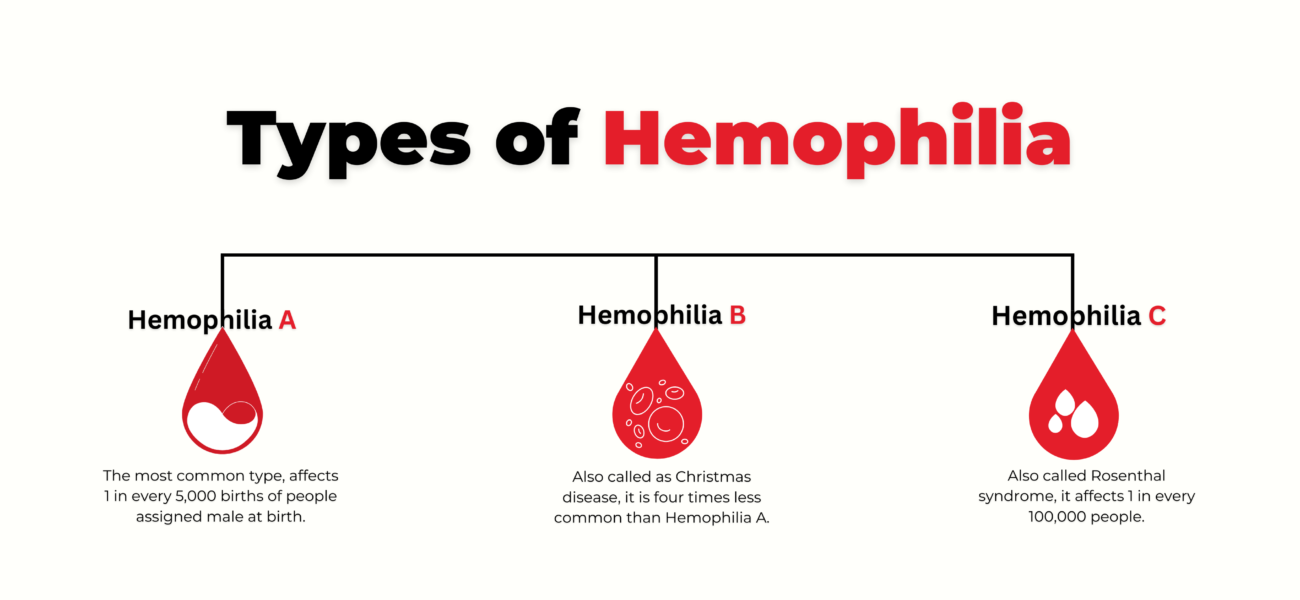
Hemophilia is a rare, inherited bleeding disorder in which the blood doesn’t clot properly due to the lack of specific clotting factors. This results in prolonged bleeding after injury, surgery, or even spontaneous bleeding inside the body, such as in joints or muscles.
Although hemophilia is not curable, early diagnosis, proper treatment, and preventive care can help individuals live active and healthy lives.
What Is Hemophilia?
Hemophilia is a genetic condition that affects the body’s ability to form blood clots. Normally, when an injury occurs, clotting factors — special proteins in the blood — work together to stop bleeding. In people with hemophilia, one or more of these factors (commonly Factor VIII or Factor IX) are missing or not working correctly.
There are two main types:
- Hemophilia A: Caused by a deficiency of clotting factor VIII.
- Hemophilia B: Caused by a deficiency of clotting factor IX.
Hemophilia usually affects males more frequently, while females are typically carriers of the gene mutation.
Causes and Risk Factors
Hemophilia is primarily caused by genetic mutations in the genes responsible for producing clotting factors. These mutations are inherited from parents and passed through the X chromosome.
Key factors include:
- Genetic inheritance: The condition runs in families.
- Spontaneous mutation: In rare cases, hemophilia can occur even without a family history.
- Gender: Since the defective gene is on the X chromosome, males are more likely to develop the disorder, while females are usually carriers.
Symptoms
The severity of hemophilia varies depending on how much clotting factor is missing. People with mild hemophilia may bleed only after major injury or surgery, while those with severe forms may bleed spontaneously.
Common symptoms include:
- Unusual or prolonged bleeding after cuts or injuries
- Easy bruising
- Frequent nosebleeds or bleeding gums
- Joint pain, swelling, or stiffness (due to internal bleeding)
- Blood in urine or stool
- Unexplained swelling or tightness in muscles
If not properly treated, repeated joint bleeding can lead to chronic pain and joint damage.
Effects on Daily Life
Living with hemophilia can affect both physical health and emotional well-being. Frequent bleeding episodes may limit physical activity or cause chronic discomfort. However, with modern treatment and proper care, most people with hemophilia can lead normal, productive lives.
Regular exercise, balanced nutrition, and preventive therapy play a key role in maintaining overall health and minimizing complications.
Diagnosis
Diagnosis of hemophilia involves blood tests that measure how long it takes for blood to clot and determine the specific clotting factor deficiency.
Common diagnostic methods include:
- Blood clotting tests: To assess the time taken for clot formation.
- Factor assays: To identify which clotting factor is deficient and to what degree.
- Genetic testing: Helps confirm the diagnosis and detect carriers within families.
Early diagnosis is essential, especially in families with a known history of the disorder, as it allows prompt management and reduces risks of severe bleeding.
Treatment Options
There is no permanent cure for hemophilia, but effective treatments are available to control bleeding and prevent complications.
1. Replacement Therapy
The main treatment involves injecting the missing clotting factor into the bloodstream. This can be done on demand (when bleeding occurs) or as a preventive measure (prophylaxis) to reduce bleeding episodes.
2. Desmopressin (DDAVP)
Used for mild Hemophilia A, this synthetic hormone stimulates the release of stored factor VIII in the body.
3. Antifibrinolytic Medications (e.g., Tranexamic Acid)
These help stabilize clots and prevent premature breakdown, especially during dental procedures or minor surgeries.
4. Gene Therapy (Emerging Treatment)
Recent advancements are exploring gene therapy to introduce a functional copy of the defective gene, offering long-term control or potential cure.
Coping and Lifestyle Management
Managing hemophilia requires a comprehensive approach involving medical care, education, and emotional support.
Helpful lifestyle practices include:
- Regular check-ups with a hematologist
- Avoiding contact sports or activities with high injury risk
- Using protective gear to prevent bleeding injuries
- Maintaining good dental hygiene to prevent gum bleeding
- Engaging in physiotherapy to protect joint health
- Joining patient support groups for guidance and encouragement
A proactive approach and adherence to treatment can help individuals manage hemophilia effectively and improve their quality of life.
Final Thoughts
Hemophilia, though rare, is a manageable condition when diagnosed early and treated appropriately. Modern therapies, preventive care, and gene research have greatly improved life expectancy and outcomes for patients.
With ongoing medical advances and strong support systems, people with hemophilia can lead fulfilling lives free from major complications.
If you or a loved one has hemophilia, consult a healthcare professional for regular monitoring, personalized treatment, and comprehensive care — because with the right management, living well with hemophilia is entirely possible.
The list of some hemophilia medicine:
Frabex