Supraventricular arrhythmias (SVAs) are a group of abnormal heart rhythms originating in the upper chambers of the heart—the atria or the atrioventricular (AV) node. These arrhythmias are among the most common types of heart rhythm disorders and can range from being mild and asymptomatic to potentially life-threatening. Understanding the causes, symptoms, and treatment options for SVAs is crucial for managing heart health and preventing complications.
Supraventricular arrhythmias refer to irregular heartbeats that arise above the ventricles, specifically in the atria or the AV node, which is the electrical connection between the atria and ventricles. These arrhythmias occur when the normal electrical impulses that regulate the heart’s rhythm are disrupted, causing the heart to beat too fast, too slow, or in an irregular pattern.
The term “supraventricular” means “above the ventricles,” indicating that the source of the arrhythmia is in the upper chambers of the heart, which include the right atrium, left atrium, and the AV node. These arrhythmias can occur intermittently or persistently, depending on their cause.
Types of Supraventricular Arrhythmias
There are several types of supraventricular arrhythmias, each with its own characteristics and potential impact on heart function:
1. Atrial Fibrillation (AFib)
- Atrial fibrillation is the most common type of supraventricular arrhythmia. It occurs when the electrical impulses in the atria become chaotic, leading to an irregular and often rapid heart rate.
- People with AFib may experience symptoms such as palpitations, fatigue, dizziness, shortness of breath, and an increased risk of stroke due to blood clots forming in the atria.
2. Atrial Flutter
- Atrial flutter is similar to AFib, but the electrical signals are more organized. The heart rate is often rapid and regular, with the atria beating at a rate of about 300 beats per minute, while the ventricles may beat at a slower, more regular rate.
- While atrial flutter can be less chaotic than AFib, it still poses risks, including an increased risk of stroke and heart failure if left untreated.
3. Paroxysmal Supraventricular Tachycardia (PSVT)
- PSVT is a type of arrhythmia that results in episodes of abnormally fast heartbeats, often beginning and ending suddenly. These episodes typically originate in the atria or the AV node.
- Symptoms of PSVT may include a racing heart, dizziness, lightheadedness, or chest discomfort, although it can also occur without noticeable symptoms.
4. Wolff-Parkinson-White Syndrome (WPW)
- WPW is a congenital condition where an extra electrical pathway exists between the atria and ventricles. This pathway can cause abnormal, rapid heart rhythms, leading to episodes of supraventricular tachycardia.
- People with WPW may experience palpitations, dizziness, or fainting. Treatment may be necessary if episodes become frequent or severe.
Causes and Risk Factors
Supraventricular arrhythmias can be caused by a variety of factors that affect the electrical system of the heart. Some of the most common causes and risk factors include:
- Heart Disease: Conditions such as coronary artery disease, heart valve disease, or congestive heart failure can increase the likelihood of developing supraventricular arrhythmias.
- High Blood Pressure (Hypertension): Chronic high blood pressure can damage the heart’s electrical system, leading to arrhythmias.
- Hyperthyroidism: An overactive thyroid can cause the heart to beat faster and irregularly, leading to arrhythmias.
- Electrolyte Imbalances: Abnormal levels of key electrolytes such as potassium, calcium, and magnesium can disrupt the heart’s electrical impulses and lead to arrhythmias.
- Alcohol and Stimulants: Excessive alcohol consumption, caffeine, or drugs like cocaine and certain medications can trigger or worsen arrhythmias.
- Sleep Apnea: Sleep-disordered breathing has been linked to an increased risk of developing atrial fibrillation and other supraventricular arrhythmias.
- Age: The risk of developing supraventricular arrhythmias increases with age, especially in individuals over the age of 60.
Symptoms of Supraventricular Arrhythmias
The symptoms of supraventricular arrhythmias can vary depending on the type and severity of the arrhythmia. Common symptoms may include:
- Palpitations: A sensation of a fast, irregular, or pounding heartbeat.
- Dizziness or Lightheadedness: Caused by a decrease in blood flow to the brain.
- Shortness of Breath: Difficulty breathing, especially during physical activity or at rest.
- Fatigue: Feeling unusually tired or weak, even after adequate rest.
- Chest Pain or Discomfort: Sometimes experienced during episodes of arrhythmia, particularly in individuals with underlying heart disease.
- Fainting (Syncope): In severe cases, reduced blood flow to the brain can cause fainting or near-fainting episodes.
It’s important to note that some people with supraventricular arrhythmias may not experience any symptoms, especially if the arrhythmia is mild or occurs intermittently.
Diagnosis of Supraventricular Arrhythmias
To diagnose supraventricular arrhythmias, a healthcare provider will typically perform the following tests:
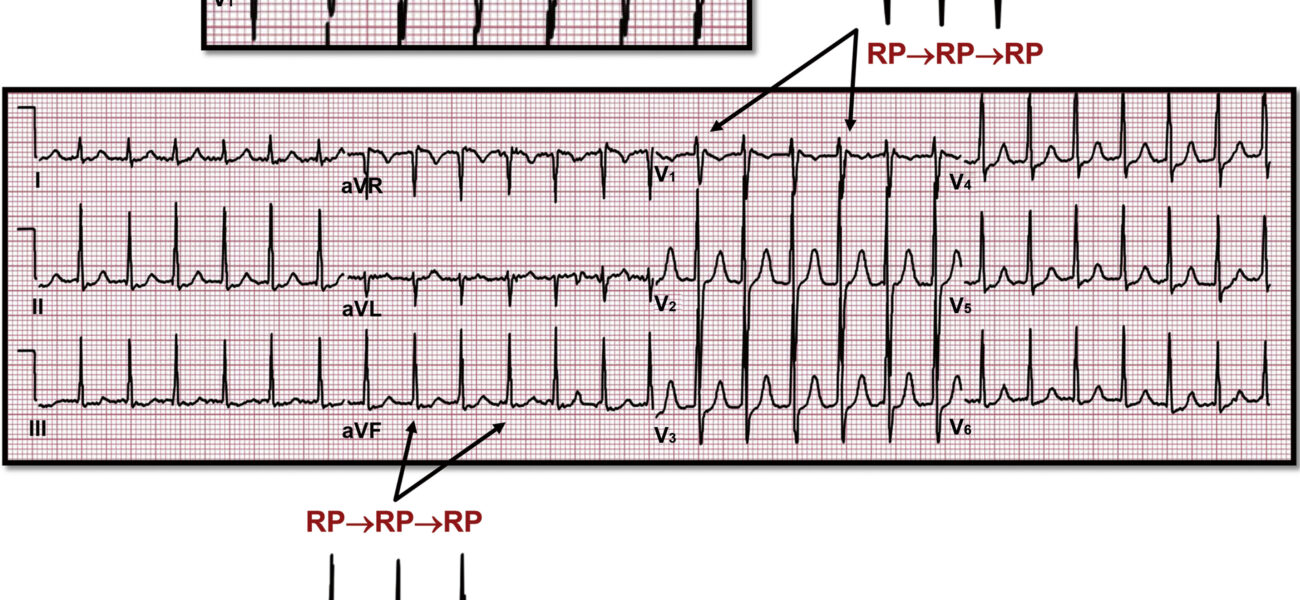
- Electrocardiogram (ECG): An ECG records the electrical activity of the heart and can help identify the type of arrhythmia.
- Holter Monitor: A portable ECG device worn over 24-48 hours to monitor heart rhythms over an extended period.
- Event Monitor: Similar to a Holter monitor but worn for a longer period (weeks to months) to capture infrequent arrhythmias.
- Echocardiogram: An ultrasound of the heart to evaluate its structure and function, helping to identify any underlying heart disease.
- Blood Tests: To check for electrolyte imbalances, thyroid function, or other potential causes of arrhythmias.
Treatment Options for Supraventricular Arrhythmias
Treatment for supraventricular arrhythmias depends on the type of arrhythmia, the severity of symptoms, and the overall health of the patient. Common treatment options include:
1. Medications
- Antiarrhythmic Drugs: Medications such as beta-blockers, calcium channel blockers, and antiarrhythmic agents can help control the heart rate and restore normal rhythm.
- Anticoagulants: Blood thinners like warfarin or direct oral anticoagulants (DOACs) may be prescribed to reduce the risk of stroke, particularly in patients with atrial fibrillation.
2. Cardioversion
- Electrical Cardioversion: A procedure in which an electrical shock is delivered to the heart to restore normal rhythm. This is often used for atrial fibrillation or atrial flutter.
3. Ablation Therapy
- Catheter Ablation: A procedure in which a catheter is used to destroy the abnormal tissue in the heart that is causing the arrhythmia. This can be particularly effective for conditions like atrial fibrillation or Wolff-Parkinson-White syndrome.
4. Lifestyle Modifications
- Managing underlying conditions: Treating high blood pressure, diabetes, or sleep apnea can help reduce the risk of arrhythmias.
- Avoiding triggers: Limiting alcohol, caffeine, and stimulants may help prevent arrhythmia episodes.
- Regular exercise: Maintaining a healthy lifestyle through exercise can improve heart health and reduce the risk of arrhythmias.
Prevention of Supraventricular Arrhythmias
While not all cases of supraventricular arrhythmias can be prevented, certain lifestyle changes can help reduce the risk of developing arrhythmias or experiencing complications:
- Maintain a healthy weight and diet
- Exercise regularly
- Manage stress effectively
- Quit smoking and limit alcohol consumption
- Monitor and control blood pressure and cholesterol levels
Conclusion
Supraventricular arrhythmias are common heart rhythm disorders that can range from mild to severe. While they can cause discomfort and pose risks to heart health, many types of supraventricular arrhythmias can be managed with medications, lifestyle changes, and procedures like cardioversion or catheter ablation. Early detection and proper treatment are key to reducing complications and improving quality of life.
The list of some Supraventricular Arrhythmias medicine:
Veracal SR
Veracal