Vaginal dryness is a common issue that affects many women at different stages of life. Though often associated with menopause, it can occur at any age due to a variety of factors. Vaginal dryness not only causes physical discomfort but can also impact emotional well-being and intimate relationships. Understanding its causes and exploring available treatments can help women manage this condition with confidence and comfort.
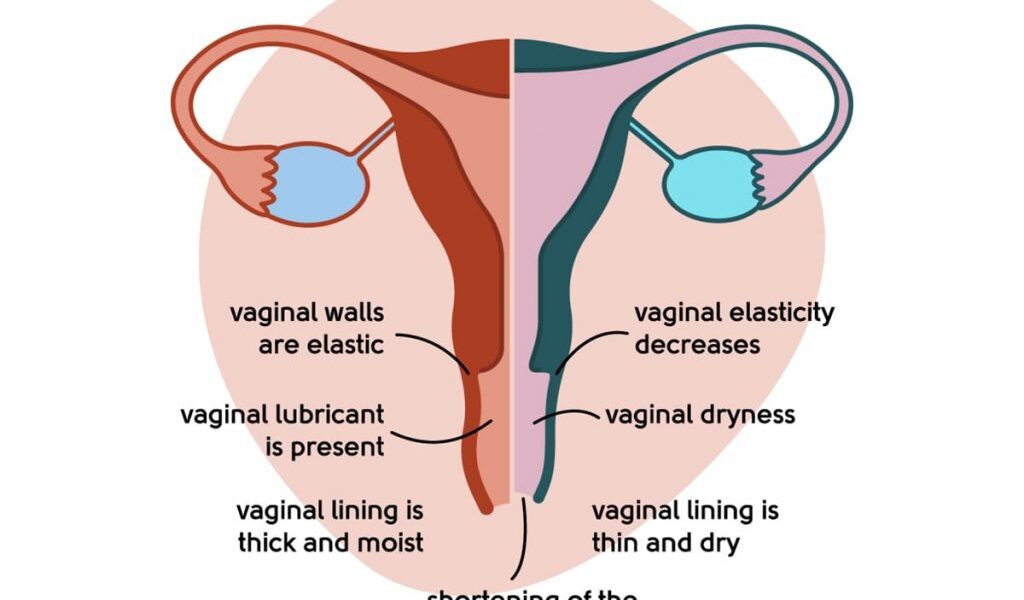
Vaginal dryness happens when the tissues of the vagina are not well-lubricated. Normally, the vaginal walls produce a thin layer of moisture that helps maintain elasticity, reduce friction, and protect against infection. When this lubrication diminishes, the vagina may feel dry, itchy, irritated, or even painful.
Although occasional dryness is normal, persistent or severe symptoms may need medical attention.
Common Causes of Vaginal Dryness
Several factors can contribute to vaginal dryness:
1. Hormonal Changes
- Menopause: The most common cause. A drop in estrogen levels during menopause leads to thinning and drying of vaginal tissues.
- Postpartum and Breastfeeding: Hormonal shifts after childbirth and during nursing can temporarily lower estrogen levels.
- Surgical Removal of Ovaries: Early menopause triggered by surgery can cause sudden vaginal dryness.
2. Medical Treatments
- Cancer Therapies: Radiation and chemotherapy can damage mucous membranes, including vaginal tissues.
- Medications: Antihistamines, antidepressants, and certain birth control pills can reduce natural lubrication.
3. Health Conditions
- Autoimmune Disorders: Conditions like Sjögren’s syndrome, which attacks moisture-producing glands, can lead to dryness.
- Chronic Stress and Anxiety: Emotional stress can alter hormone production, impacting vaginal health.
4. Lifestyle Factors
- Smoking: Tobacco use impairs blood flow, reducing lubrication and tissue health.
- Douching: Frequent douching can disrupt the natural balance of vaginal flora, leading to dryness and irritation.
Symptoms of Vaginal Dryness
Women experiencing vaginal dryness may notice:
- Itching or burning in the vaginal area
- Discomfort or pain during intercourse (dyspareunia)
- Light bleeding after intercourse
- Increased susceptibility to urinary tract infections
- General irritation or soreness
These symptoms can vary in intensity and may worsen without appropriate care.
Diagnosis
A healthcare provider can diagnose vaginal dryness through:
- Medical History: Discussion of symptoms, menstrual history, and overall health.
- Physical Examination: A pelvic exam may reveal thinning, redness, or fragility of vaginal tissues.
- Additional Tests: If necessary, hormone level tests or vaginal pH tests may be conducted.
Treatment and Management Options
Fortunately, there are many effective ways to treat and manage vaginal dryness:
Lifestyle and Self-Care
- Use Water-Based Lubricants: These can provide immediate relief during sexual activity.
- Moisturizers: Vaginal moisturizers help maintain hydration over time and can be used regularly, not just during intimacy.
- Stay Hydrated: Drinking enough water supports overall tissue health.
Medical Treatments
- Local Estrogen Therapy: Available as creams, tablets, or rings, local estrogen treatments restore vaginal moisture with minimal systemic absorption.
- Systemic Hormone Replacement Therapy (HRT): For women experiencing multiple menopausal symptoms, systemic HRT might be recommended.
- Non-Hormonal Options: Newer medications, like selective estrogen receptor modulators (SERMs), offer relief without traditional hormone therapy.
Emotional and Psychological Support
Because vaginal dryness can affect intimacy and self-esteem, open communication with partners and counseling support can be valuable parts of the treatment plan.
Prevention Tips
While not all causes of vaginal dryness are preventable, adopting healthy habits can minimize risk:
- Avoid harsh soaps or feminine hygiene sprays.
- Quit smoking, if applicable.
- Manage stress through relaxation techniques.
- Choose breathable cotton underwear and avoid tight clothing.
Conclusion
Vaginal dryness is a common and treatable condition that can affect women physically and emotionally. By understanding the causes and seeking appropriate care, women can improve their quality of life and enjoy healthy, comfortable intimacy at every stage of life. No woman should feel embarrassed to talk to her doctor about vaginal health — relief is available, and support is within reach.
The list of some Vaginal Dryness medicine:
Estracon