
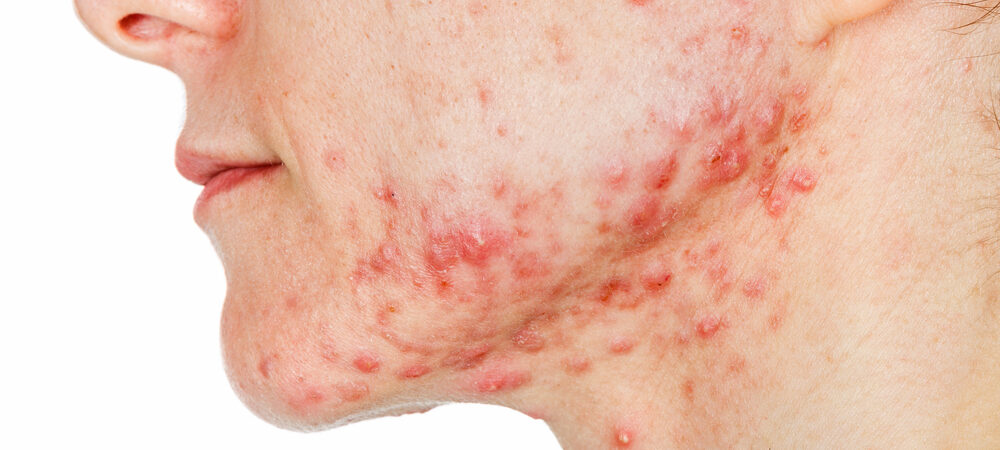
Acne vulgaris, commonly known simply as acne, is one of the most common skin conditions affecting people of all ages, particularly adolescents and young adults. While often associated with teenage years, acne can occur at any stage of life and can have a significant impact on one’s self-esteem and confidence. Understanding the causes, symptoms, and treatment options for acne vulgaris is essential for managing the condition effectively.
In this blog, we’ll explore the factors behind acne vulgaris, its common symptoms, and the various treatments that can help you achieve clearer, healthier skin.
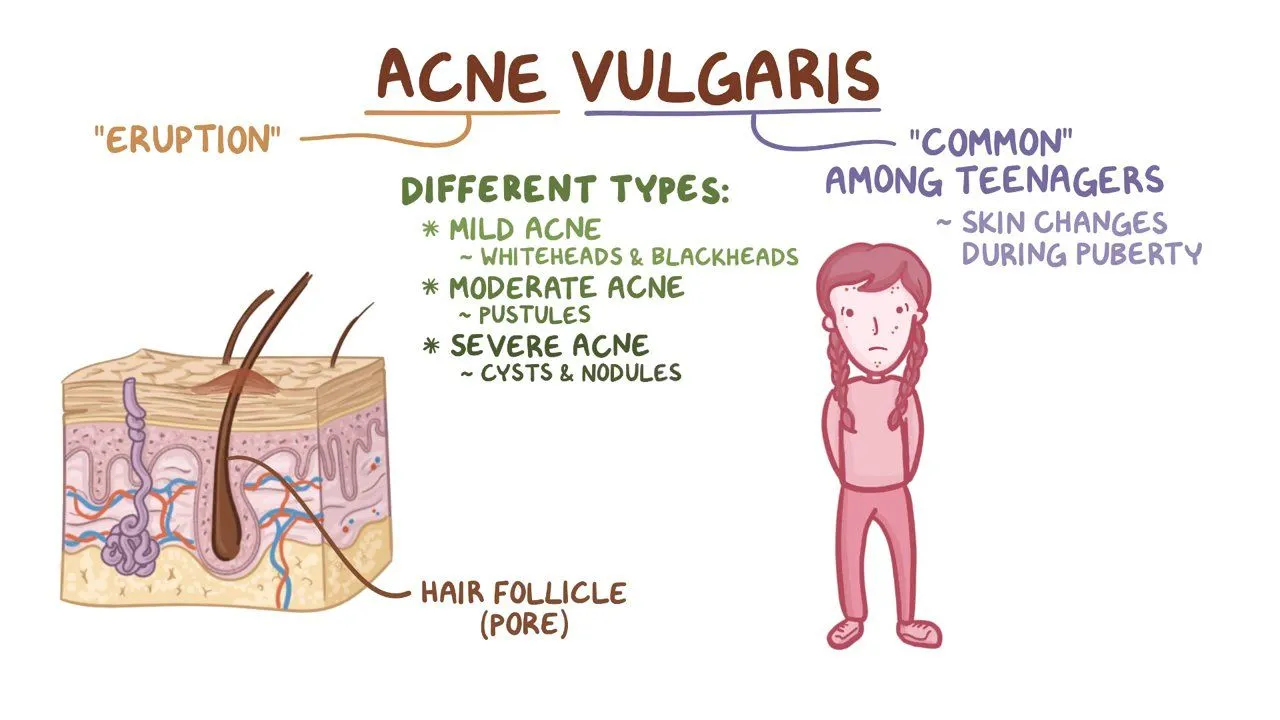
Acne vulgaris is a chronic skin condition characterized by the appearance of pimples, blackheads, whiteheads, cysts, and sometimes painful nodules. It occurs when hair follicles become clogged with oil, dead skin cells, and bacteria, leading to inflammation and the development of these blemishes. Acne most commonly affects areas of the body that are rich in sebaceous (oil) glands, such as the face, back, chest, and shoulders.
Although acne is not a life-threatening condition, its impact on one’s emotional and psychological well-being can be considerable, especially for teenagers who are still developing their self-image.
Causes of Acne Vulgaris
Several factors contribute to the development of acne vulgaris, with hormonal changes being one of the leading causes:
1. Hormonal Fluctuations
During puberty, increased levels of androgens (male hormones present in both men and women) cause sebaceous glands to produce more sebum, an oily substance that can clog pores. Hormonal changes during pregnancy, menstruation, or in response to oral contraceptives can also trigger acne flare-ups.
2. Excessive Oil Production
The skin naturally produces oil to keep it moisturized and protect it from external elements. However, excessive oil production can lead to clogged pores and the development of acne.
3. Bacterial Growth
The skin is home to various bacteria, including Propionibacterium acnes, which thrive in clogged pores. When these bacteria multiply, they can trigger an inflammatory response, resulting in the formation of pimples and cysts.
4. Clogged Pores
Dead skin cells that do not shed properly can accumulate inside hair follicles, leading to blockages. When these pores become clogged, it sets the stage for acne to form.
5. Genetics
Genetic factors can play a role in acne development. If one or both parents experienced acne, there is a higher chance of developing the condition as well.
6. Diet and Lifestyle Factors
While research on diet’s direct impact on acne is still ongoing, some studies suggest that foods high in refined sugars, dairy, and processed foods may exacerbate acne. Stress, lack of sleep, and smoking can also contribute to the development and worsening of acne.
Symptoms of Acne Vulgaris
The symptoms of acne vulgaris can vary from mild to severe and often include:
- Blackheads (open comedones): Small, dark-colored bumps on the skin caused by clogged hair follicles.
- Whiteheads (closed comedones): Flesh-colored bumps that form when pores are clogged with oil and dead skin cells.
- Papules: Small, red, tender bumps that appear when pores become inflamed.
- Pustules: Pimples filled with pus, often surrounded by red, inflamed skin.
- Nodules: Large, painful lumps under the skin, often caused by deep inflammation.
- Cysts: Painful, pus-filled lumps that can lead to scarring.
Acne can affect the face, neck, back, shoulders, and even the chest. While it can be mild and occasional for some, for others, it may lead to scarring and long-term skin damage if not treated properly.
Treatment Options for Acne Vulgaris
The treatment for acne vulgaris depends on its severity and the individual’s skin type. Fortunately, there are many effective treatments available, from over-the-counter remedies to professional dermatological treatments.
1. Topical Treatments
- Benzoyl Peroxide: This antibacterial agent helps to reduce acne-causing bacteria and can reduce inflammation.
- Salicylic Acid: Helps to unclog pores by exfoliating dead skin cells and reducing inflammation.
- Retinoids: Topical retinoids like adapalene promote skin cell turnover, preventing clogged pores and helping to treat existing acne lesions.
- Antibiotics: Topical antibiotics, such as clindamycin, can help reduce bacteria and inflammation in the skin.
2. Oral Medications
- Oral Antibiotics: Drugs like doxycycline, tetracycline, or minocycline can be prescribed to reduce bacteria and inflammation in moderate to severe cases.
- Hormonal Treatments: For females, birth control pills or anti-androgen medications like spironolactone can regulate hormone levels and reduce oil production, helping to control acne.
- Oral Retinoids (Isotretinoin): Isotretinoin is a powerful oral medication used for severe, cystic acne. It works by reducing oil production, preventing clogged pores, and decreasing bacteria. However, it has potential side effects and should be prescribed and monitored by a healthcare professional.
3. Professional Treatments
- Chemical Peels: Dermatologists may perform chemical peels to remove dead skin cells, reduce inflammation, and promote skin renewal.
- Laser Therapy: Laser treatments can reduce bacteria and inflammation while improving skin texture and reducing scarring.
- Drainage and Extraction: In severe cases, a dermatologist may need to manually drain large cysts or pustules to reduce pain and prevent scarring.
4. Lifestyle Modifications
- Proper Skin Care Routine: Cleansing the skin twice a day with a gentle cleanser can help remove excess oil and dirt. Avoiding harsh scrubbing or over-washing is important, as it can irritate the skin and worsen acne.
- Non-comedogenic Products: Using oil-free and non-comedogenic makeup and skincare products can prevent clogged pores.
- Healthy Diet: While diet isn’t the sole cause of acne, a balanced diet rich in fruits, vegetables, and whole grains can support skin health.
Preventing Acne Vulgaris
While it may not always be possible to prevent acne, the following tips can help reduce the risk of flare-ups:
- Avoid Touching Your Face: Constantly touching your face or picking at acne lesions can introduce bacteria and worsen breakouts.
- Clean Your Phone: Phones carry bacteria and oil, which can transfer to your face when you make calls. Wipe your phone screen regularly.
- Stay Hydrated: Drinking plenty of water helps maintain skin hydration and flushes toxins from the body.
Conclusion
Acne vulgaris is a common skin condition that affects many people, but it is highly manageable with the right treatments. Whether through over-the-counter products, prescription medications, or professional treatments, there are multiple options available to help control acne and improve the health and appearance of your skin.
The list of some Acne Vulgaris medicine:
Aclene cream 10gm / 0.1%
Adapel cream 10gm / 0.1%
Apalene cream 10gm / 0.1%
Fona cream 10gm / 0.1%