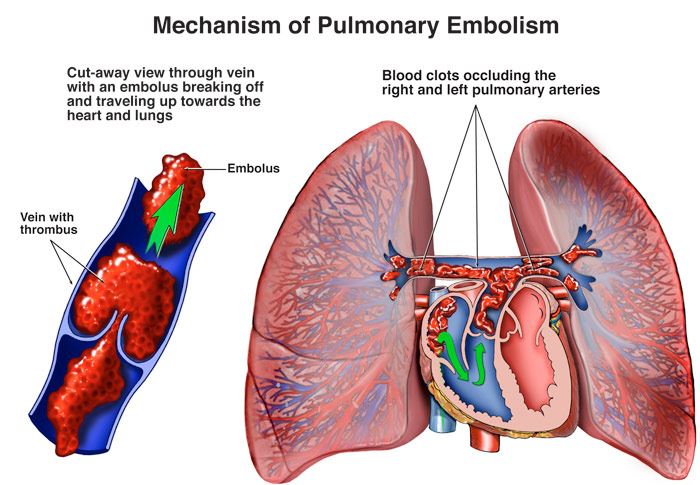
Acute Pulmonary Embolism (APE) is a serious and potentially life-threatening condition that occurs when a blood clot blocks one or more arteries in the lungs. This sudden blockage can reduce blood flow, decrease oxygen levels, and strain the heart, sometimes leading to fatal outcomes if not treated quickly.
Prompt recognition and treatment of a pulmonary embolism are crucial to improve survival and prevent complications.
What Causes Acute Pulmonary Embolism?
Most pulmonary embolisms are caused by blood clots that travel to the lungs from the deep veins of the legs, a condition known as deep vein thrombosis (DVT). When part of a clot breaks off, it can travel through the bloodstream and lodge in the pulmonary arteries.
Less commonly, embolisms can be caused by:
- Fat droplets (from broken bones)
- Air bubbles (from intravenous procedures)
- Amniotic fluid (during childbirth complications)
- Tumor cells (in cases of cancer)
Risk Factors
Several factors can increase the likelihood of developing a pulmonary embolism, including:
- Prolonged immobility (e.g., long flights, bed rest)
- Recent surgery, especially orthopedic procedures
- Cancer and cancer treatments
- Smoking
- Obesity
- Pregnancy and postpartum period
- Use of birth control pills or hormone replacement therapy
- Genetic clotting disorders
- Previous history of DVT or PE
Symptoms of Acute Pulmonary Embolism
Symptoms can vary depending on the size of the clot and the part of the lung affected. Common signs and symptoms include:
- Sudden shortness of breath
- Sharp, stabbing chest pain that may worsen with deep breaths
- Rapid heart rate (tachycardia)
- Coughing, sometimes with blood-tinged sputum
- Lightheadedness or fainting
- Anxiety or a sense of impending doom
- Sweating excessively
In severe cases, a large pulmonary embolism can cause sudden collapse, shock, and even death.
Diagnosis
Diagnosing acute pulmonary embolism quickly is vital. Doctors may use a combination of the following:
- Medical history and physical exam to assess risk factors and symptoms
- Blood tests, such as D-dimer, to look for signs of clot formation
- Imaging tests, including:
- CT pulmonary angiography: A specialized CT scan that visualizes the arteries in the lungs
- Ventilation-perfusion (V/Q) scan: Measures air and blood flow in the lungs
- Ultrasound of the legs to detect DVT
- Electrocardiogram (ECG) and chest X-ray to rule out other conditions
Treatment Options
Immediate treatment for pulmonary embolism focuses on dissolving the clot and preventing new clots from forming.
Medications
- Anticoagulants (blood thinners): Prevent new clots and stop existing clots from growing.
- Thrombolytics (clot dissolvers): Used in emergency cases to break up clots quickly, but they carry a higher risk of bleeding.
Procedures
- Catheter-directed thrombolysis: A catheter delivers clot-busting drugs directly to the site of the clot.
- Surgical embolectomy: Surgical removal of the clot, reserved for life-threatening cases.
- Inferior vena cava (IVC) filter: A small device placed in the large vein (vena cava) to catch clots before they reach the lungs, used in patients who cannot take blood thinners.
Preventing Pulmonary Embolism
Prevention strategies are critical, especially for those at higher risk:
- Staying active: Moving regularly during long trips or hospital stays.
- Compression stockings: Help prevent DVT in the legs.
- Blood thinners: Used in certain high-risk patients.
- Hydration: Drinking plenty of fluids to prevent blood thickening.
- Lifestyle changes: Quitting smoking, managing weight, and exercising regularly.
Living After a Pulmonary Embolism
Recovery from an acute pulmonary embolism can take weeks or months, depending on the severity. Most patients will need to take anticoagulant medications for several months. Regular follow-ups and lifestyle changes are important to prevent recurrence.
In some cases, people may develop chronic thromboembolic pulmonary hypertension (CTEPH), a rare but serious complication where blood clots cause long-term pressure buildup in the lungs’ arteries.
Final ThoughtsAcute Pulmonary Embolism is a medical emergency that demands swift action. Understanding the risk factors, recognizing the symptoms early, and seeking immediate treatment can make a life-saving difference. With proper medical care and preventive measures, many individuals recover fully and lead healthy lives after experiencing a pulmonary embolism.
The list of some Acute Pulmonary Embolism medicine: