Hair is often deeply tied to identity, confidence, and self-expression. So, when unexpected hair loss occurs, it can be distressing—especially when it’s caused by an autoimmune condition like alopecia areata. This condition, though not life-threatening, can have significant emotional and psychological effects. Understanding its causes, symptoms, and treatment options can empower those affected to take control of their journey.
Understanding Alopecia Areata
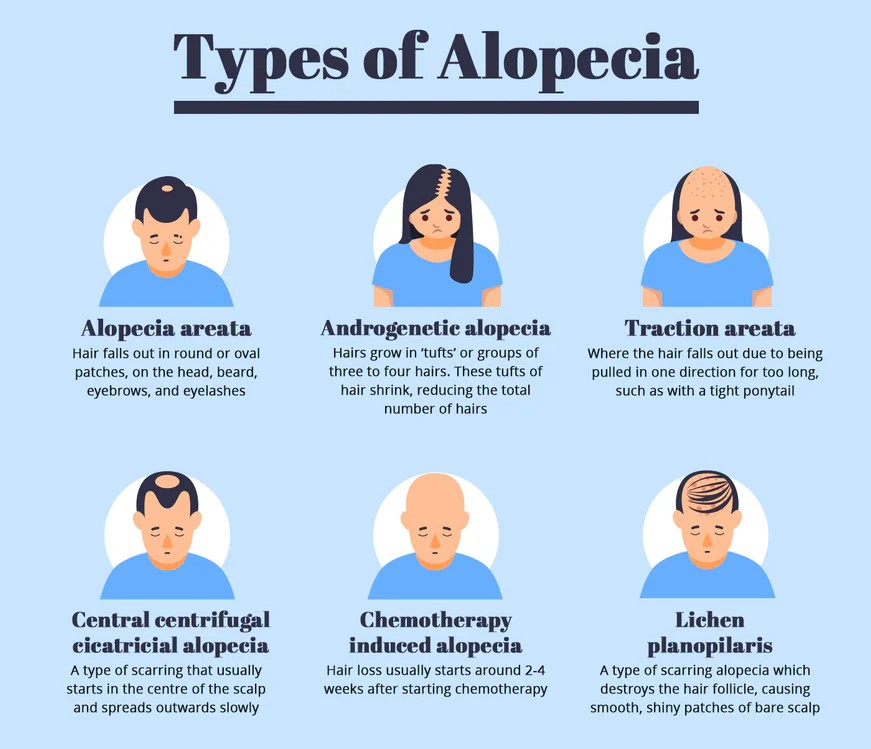
Alopecia areata is an autoimmune disorder that causes hair loss, typically in small, round patches on the scalp. However, it can affect any hair-bearing area of the body, including the beard, eyebrows, eyelashes, and limbs.
In this condition, the body’s immune system mistakenly attacks the hair follicles—tiny structures in the skin from which hairs grow. This leads to inflammation and subsequent hair loss. The extent and duration of the hair loss vary widely from person to person.
What Causes Alopecia Areata?
The exact cause of alopecia areata is still not fully understood, but it is believed to result from a combination of genetic and environmental factors. Here’s what we do know:
- Autoimmune Reaction: The immune system, which typically defends the body against viruses and bacteria, starts attacking hair follicles, treating them as foreign invaders.
- Genetics: A family history of autoimmune conditions or alopecia areata can increase one’s risk.
- Stress or Illness: Physical or emotional stress and certain viral infections may act as triggers in genetically predisposed individuals.
While the condition can start at any age, many cases begin in childhood or teenage years.
Types of Alopecia Areata
The condition is classified based on the pattern and extent of hair loss:
- Alopecia Areata (Patchy): Small, round patches of hair loss on the scalp or other body parts.
- Alopecia Totalis: Complete loss of hair on the scalp.
- Alopecia Universalis: Total hair loss on the entire body.
- Diffuse Alopecia Areata: Sudden thinning of hair across the scalp without distinct bald patches.
- Ophiasis Pattern: Hair loss in a band-like pattern around the sides and lower back of the scalp.
Signs and Symptoms
The hallmark of alopecia areata is sudden, patchy hair loss. Here are some common features:
- Small, round bald patches, often smooth and without scarring
- Tingling or itching in the area before hair loss begins
- “Exclamation mark” hairs, which are broken hairs narrowing at the base
- Changes in nails, such as pitting, ridging, or brittleness (in some cases)
Hair may grow back and then fall out again, making the condition unpredictable.
How Is Alopecia Areata Diagnosed?
Diagnosis is typically based on a physical examination of the scalp and the pattern of hair loss. A dermatologist may also perform:
- Scalp biopsy: To rule out other causes of hair loss
- Blood tests: To check for other autoimmune conditions, such as thyroid disease or lupus
Treatment Options for Alopecia Areata
There is no definitive cure for alopecia areata, but several treatments can help stimulate hair regrowth or manage the immune response:
1. Topical Treatments
- Corticosteroid creams or ointments to reduce inflammation
- Minoxidil (commonly used for pattern baldness) to promote regrowth
2. Injectable Corticosteroids
- Often used for small patches, this involves injecting steroids directly into the bald areas.
3. Oral Medications
- Corticosteroids, immunosuppressants, or JAK inhibitors (a newer class of drugs showing promise in clinical trials)
4. Light Therapy (Phototherapy)
- Uses ultraviolet light to stimulate hair regrowth, often in combination with other treatments.
5. Alternative and Supportive Therapies
- Wigs, scarves, or hairpieces can help with cosmetic concerns.
- Support groups and counseling may be helpful to cope with the emotional effects.
Not every treatment works for everyone, and hair regrowth is not always permanent.
Living with Alopecia Areata
Though alopecia areata affects physical appearance, it doesn’t impact overall physical health. Still, the emotional toll can be significant. Children and adults alike may experience anxiety, low self-esteem, or depression.
Building a strong support system, staying informed, and seeking professional mental health support when needed are crucial steps in managing the emotional aspects of the condition.
Conclusion
Alopecia areata is a complex autoimmune condition that impacts far more than just the hair. While the unpredictable nature of the disease can be frustrating, advances in treatment offer hope for regrowth and symptom management. By understanding the condition and embracing support, those affected can face alopecia areata with resilience and confidence.
The list of some Alopecia Areata medicine:
Lucirit