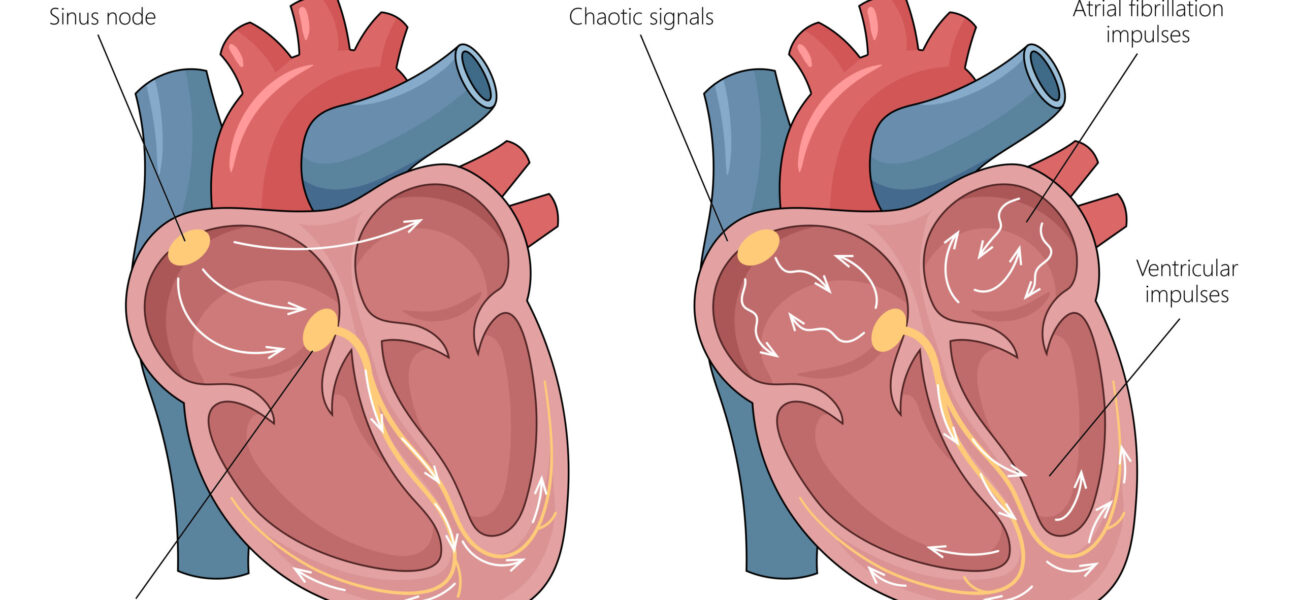
The human heart is an incredible organ, beating over 100,000 times a day to circulate blood and oxygen throughout the body. Normally, this rhythm is consistent and predictable. However, for millions of people, the heart doesn’t always keep this steady pace. These irregular heartbeats are known as arrhythmias, and while some are harmless, others can be serious or even life-threatening.
In this blog, we’ll explore what arrhythmias are, what causes them, how they’re diagnosed, and what treatment options are available.
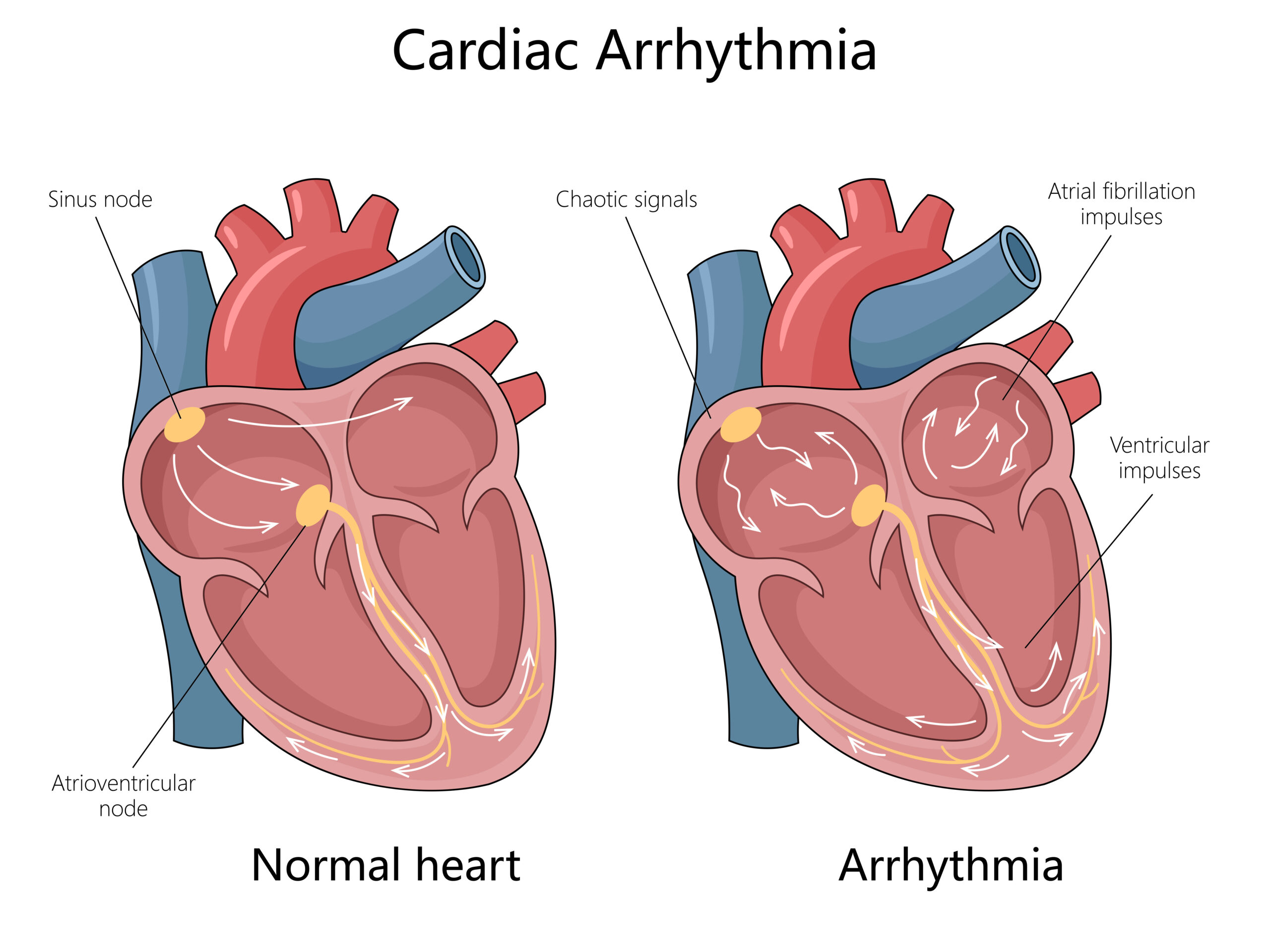
An arrhythmia is a problem with the rate or rhythm of the heartbeat. The heart may beat too fast (tachycardia), too slow (bradycardia), or irregularly. These disruptions occur due to issues in the heart’s electrical system, which controls how and when the heart beats.
Types of Arrhythmias
Arrhythmias come in many forms, and understanding their types helps determine the seriousness and best course of treatment.
1. Atrial Fibrillation (AFib)
- The most common arrhythmia.
- Involves rapid and irregular beating of the upper chambers (atria).
- Can increase the risk of stroke and heart failure.
2. Atrial Flutter
- Similar to AFib but with a more organized rhythm.
- Often seen in people with heart disease or after surgery.
3. Supraventricular Tachycardia (SVT)
- A fast heartbeat originating above the ventricles.
- Episodes can come on suddenly and last from seconds to hours.
4. Ventricular Tachycardia (VT)
- A fast rhythm coming from the ventricles.
- Can be life-threatening if it leads to ventricular fibrillation.
5. Ventricular Fibrillation (VFib)
- A chaotic and ineffective heartbeat from the ventricles.
- Requires immediate emergency treatment (defibrillation).
6. Bradycardia
- A slow heart rate, often less than 60 beats per minute.
- Can be normal in athletes but problematic if it causes fatigue, dizziness, or fainting.
What Causes Arrhythmias?
Arrhythmias can be triggered by a variety of factors, including:
- Heart conditions such as coronary artery disease or heart failure
- High blood pressure
- Electrolyte imbalances (e.g., low potassium or magnesium)
- Thyroid disorders
- Stress and anxiety
- Alcohol or drug use
- Certain medications
- Caffeine or nicotine
- Genetic predisposition
Symptoms of Arrhythmias
Not all arrhythmias cause noticeable symptoms, but when they do, common signs include:
- Heart palpitations or fluttering sensation
- Skipped or extra heartbeats
- Chest discomfort or pain
- Shortness of breath
- Dizziness or lightheadedness
- Fatigue
- Fainting (syncope)
If these symptoms occur suddenly or are severe, medical attention should be sought immediately.
How Are Arrhythmias Diagnosed?
Diagnosing an arrhythmia typically involves:
- Electrocardiogram (ECG): Measures the heart’s electrical activity.
- Holter monitor: A portable ECG worn for 24–48 hours to detect intermittent arrhythmias.
- Event monitor: Worn longer term and activated when symptoms occur.
- Echocardiogram: An ultrasound to assess heart structure and function.
- Electrophysiology study (EPS): A specialized test to map the heart’s electrical pathways.
Treatment Options for Arrhythmias
Treatment depends on the type and severity of the arrhythmia. Options include:
1. Lifestyle Changes
- Avoiding triggers like caffeine, alcohol, and smoking
- Managing stress
- Maintaining a healthy weight
2. Medications
- Antiarrhythmic drugs to regulate heartbeat
- Beta-blockers and calcium channel blockers to control heart rate
- Blood thinners for stroke prevention in AFib
3. Medical Procedures
- Cardioversion: Restores normal rhythm with medication or electric shock
- Catheter ablation: Destroys the area of the heart causing abnormal rhythms
- Pacemaker: Helps maintain a normal heart rate in bradycardia
- Implantable Cardioverter-Defibrillator (ICD): Delivers a shock if life-threatening rhythms are detected
Living with an Arrhythmia
Many people with arrhythmias lead normal, active lives with the right treatment and follow-up care. Regular checkups, medication compliance, and a heart-healthy lifestyle are essential.
If you’ve been diagnosed with an arrhythmia, it’s important to work closely with your healthcare provider and stay informed about your condition.
Conclusion
Arrhythmias are more common than many realize, and while some are harmless, others can pose serious health risks. Early diagnosis, appropriate treatment, and preventive care can help manage these conditions effectively and improve quality of life.
The list of some Arrhythmias medicine:
Veracal SR
Veracal