In a world where we often take memory and cognitive abilities for granted, dementia stands as a stark reminder of how crucial these functions are to daily life. Affecting millions globally, dementia is not a single disease but rather a broad term that describes a range of symptoms affecting memory, thinking, and social abilities severely enough to interfere with everyday activities.
Understanding dementia, its causes, and how to manage it can help patients, caregivers, and loved ones navigate the challenges it brings with compassion and knowledge.
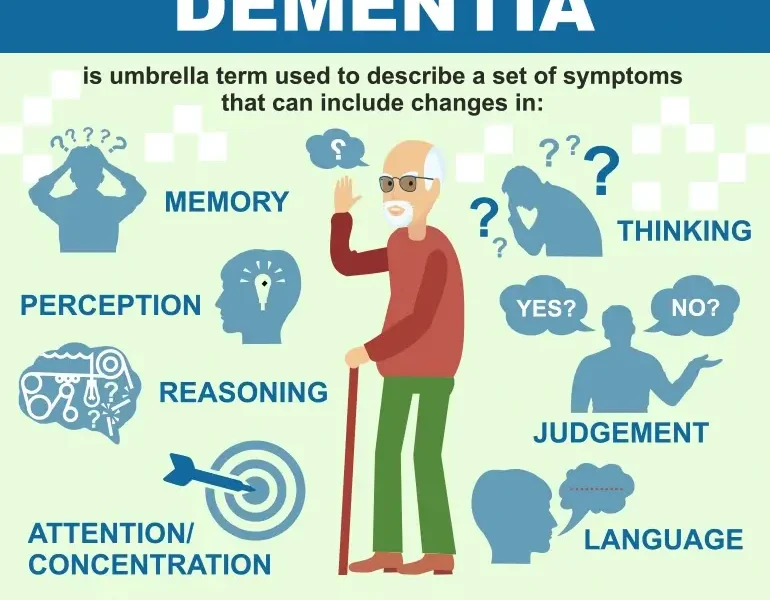
Dementia refers to a decline in cognitive function—such as thinking, remembering, and reasoning—that is significant enough to impact a person’s ability to perform everyday activities. It is important to note that while dementia becomes more common with age, it is not a normal part of aging.
Dementia can affect:
- Memory
- Language skills
- Visual perception
- Problem-solving
- Self-management
- Ability to focus and pay attention
Personality changes and emotional disturbances may also occur as the disease progresses.
Types of Dementia
Several different conditions fall under the umbrella of dementia. The most common types include:
- Alzheimer’s disease: The most prevalent form, characterized by plaques and tangles in the brain.
- Vascular dementia: Caused by reduced blood flow to the brain, often after a stroke or series of small strokes.
- Lewy body dementia: Involves abnormal protein deposits in the brain and shares features with Parkinson’s disease.
- Frontotemporal dementia: Affects the frontal and temporal lobes, leading to changes in personality, behavior, and language.
- Mixed dementia: A combination of two or more types, typically Alzheimer’s disease and vascular dementia.
Each type of dementia has distinct features, but they share many common symptoms.
Early Signs and Symptoms
Recognizing the early signs of dementia can lead to earlier diagnosis and better management. Common symptoms include:
- Memory loss that disrupts daily life
- Difficulty planning or solving problems
- Confusion with time or place
- Trouble understanding visual images and spatial relationships
- Problems with words in speaking or writing
- Withdrawal from work or social activities
- Changes in mood and personality
It’s important to seek medical advice if these symptoms are observed, as some conditions mimicking dementia (like vitamin deficiencies or thyroid problems) can be reversible.
Causes and Risk Factors
Dementia results from damage to brain cells, interfering with their ability to communicate. Various conditions can trigger this damage, including:
- Neurodegenerative diseases (e.g., Alzheimer’s, Parkinson’s)
- Stroke
- Traumatic brain injury
- Infections affecting the brain (e.g., HIV, meningitis)
- Chronic alcohol or drug use
Certain factors increase the risk of developing dementia, such as:
- Age (risk increases significantly after age 65)
- Family history
- Cardiovascular health issues (high blood pressure, diabetes, high cholesterol)
- Smoking
- Poor diet and sedentary lifestyle
Emerging research also suggests that education level and mental stimulation may influence dementia risk.
Diagnosing Dementia
There is no single test for dementia. Diagnosis typically involves:
- Medical history review
- Physical examination
- Cognitive and neuropsychological tests
- Brain imaging (like MRI or CT scans)
- Laboratory tests to rule out other causes
Early diagnosis allows for better planning and opens doors to treatments that can slow the progression of symptoms.
Treatment and Management
While there is currently no cure for most types of dementia, several strategies can help manage symptoms:
- Medications: Drugs like cholinesterase inhibitors and memantine can temporarily improve symptoms or slow progression.
- Therapies: Occupational therapy, cognitive stimulation, and speech therapy may enhance quality of life.
- Lifestyle adjustments: Regular physical activity, a healthy diet, social engagement, and mental exercises can support brain health.
- Support systems: Caregivers, support groups, and professional services play a crucial role in managing the emotional and physical demands of the disease.
New research continues to explore treatments that target the underlying causes of dementia, offering hope for the future.
Living with Dementia
A dementia diagnosis can be overwhelming, but it doesn’t mean an immediate loss of independence. Many people live meaningful lives for years after diagnosis with the right support and strategies in place.
Key approaches include:
- Creating a safe, structured environment
- Establishing routines to reduce confusion
- Encouraging engagement in hobbies and activities
- Communicating clearly and patiently
Support for caregivers is equally important, as caring for someone with dementia can be emotionally and physically exhausting.
Final Thoughts
Dementia is a complex and challenging condition, but understanding it helps remove fear and stigma. Early detection, supportive care, and proactive management can greatly improve the lives of those affected and their families. As research advances, there is hope for better treatments—and perhaps one day, prevention or a cure.
The list of some Dementia medicine: