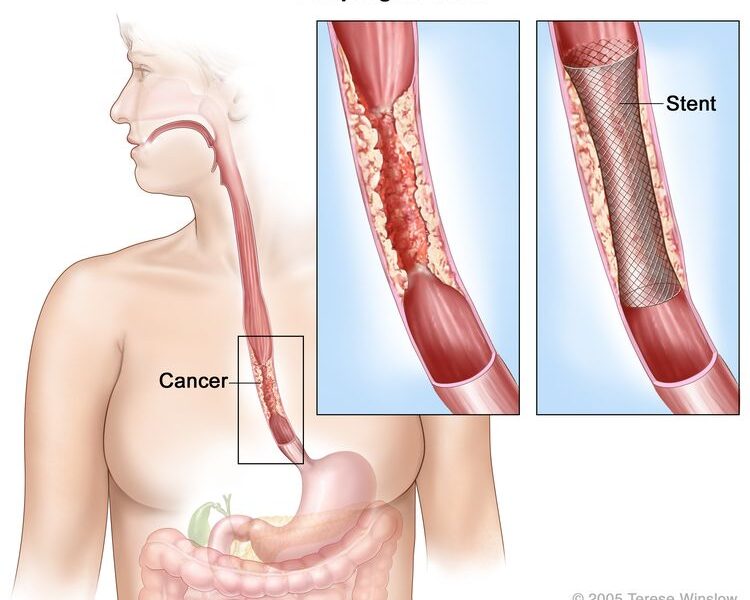
Esophagus cancer is a disease in which malignant cells form in the tissues of the esophagus, the long muscular tube that connects the throat to the stomach. This type of cancer can interfere with the ability to swallow and digest food, making early detection and treatment critically important. Although it is less common than some other cancers, esophageal cancer is known for being aggressive and often diagnosed at advanced stages.
The exact cause of esophageal cancer is unknown, but certain risk factors are strongly linked to its development, including:
- Chronic gastroesophageal reflux disease (GERD): Ongoing acid reflux can damage the lining of the esophagus and increase cancer risk.
- Barrett’s esophagus: A condition in which the cells lining the esophagus change due to prolonged acid exposure, raising the likelihood of developing cancer.
- Smoking and tobacco use: These habits significantly increase the risk.
- Heavy alcohol consumption: Drinking large amounts of alcohol, especially when combined with smoking, greatly raises the risk.
- Obesity: Excess weight, particularly around the abdomen, increases pressure on the stomach and esophagus, contributing to GERD.
- Diet: A diet low in fruits and vegetables or high in processed meats may increase risk.
- Age and gender: Most cases occur in men over the age of 50.
Types of Esophagus Cancer
There are two main types of esophageal cancer, each with distinct characteristics:
- Adenocarcinoma: This form typically develops in the lower part of the esophagus and is often linked to GERD and Barrett’s esophagus. It is more common in Western countries.
- Squamous cell carcinoma: This type usually occurs in the upper and middle sections of the esophagus and is strongly associated with smoking and alcohol use. It is more prevalent in parts of Asia and Africa.
Symptoms of Esophagus Cancer
In the early stages, esophageal cancer may not cause any symptoms. As the disease progresses, signs may include:
- Difficulty swallowing (dysphagia)
- Unexplained weight loss
- Chest pain or discomfort
- Hoarseness or chronic cough
- Indigestion or heartburn
- Vomiting
- Coughing up blood
Because these symptoms can resemble other common illnesses, they are often overlooked, leading to delayed diagnosis.
How Is Esophagus Cancer Diagnosed?
If esophagus cancer is suspected, a series of tests can help confirm the diagnosis:
- Endoscopy: A thin, flexible tube with a camera is inserted down the throat to view the esophagus and take tissue samples (biopsies).
- Barium swallow: An X-ray test where the patient swallows a barium solution to highlight abnormalities.
- CT scans, PET scans, and MRI: Imaging tests help determine the extent of the disease and whether it has spread.
- Endoscopic ultrasound (EUS): Provides detailed images of the esophagus and nearby lymph nodes.
Treatment Options
Treatment plans for esophageal cancer depend on the cancer’s stage, location, and the patient’s overall health. Common treatments include:
- Surgery: Removing part or all of the esophagus (esophagectomy) is often necessary for localized cancers.
- Radiation therapy: High-energy rays are used to kill cancer cells, either alone or combined with surgery or chemotherapy.
- Chemotherapy: Anti-cancer drugs may be used before surgery (neoadjuvant therapy) or after (adjuvant therapy) to shrink tumors and kill remaining cancer cells.
- Targeted therapy: Drugs that specifically target cancer cells with less harm to normal cells are sometimes used.
- Immunotherapy: This approach uses the body’s immune system to help fight cancer, particularly for advanced cases.
For advanced-stage esophageal cancer that cannot be surgically removed, palliative care is available to manage symptoms and improve quality of life.
Preventive Measures
While not all cases can be prevented, certain lifestyle changes may reduce the risk of esophageal cancer:
- Avoid smoking and tobacco products.
- Limit alcohol intake.
- Maintain a healthy weight.
- Treat GERD and seek medical attention for persistent acid reflux.
- Eat a balanced diet rich in fruits and vegetables.
Early detection is crucial, particularly for individuals with known risk factors like Barrett’s esophagus. Regular checkups and endoscopic surveillance may help catch precancerous changes early.
Conclusion
Esophagus cancer is a serious and often aggressive disease that affects a vital part of the digestive system. Recognizing the risk factors, symptoms, and the importance of early diagnosis can make a significant difference in treatment outcomes. Advances in surgery, chemotherapy, radiation, and targeted therapies offer hope and better survival rates for many patients. Maintaining a healthy lifestyle and addressing any digestive issues early are important steps toward prevention and early intervention.
The list of some Esophagus Cancer medicine: