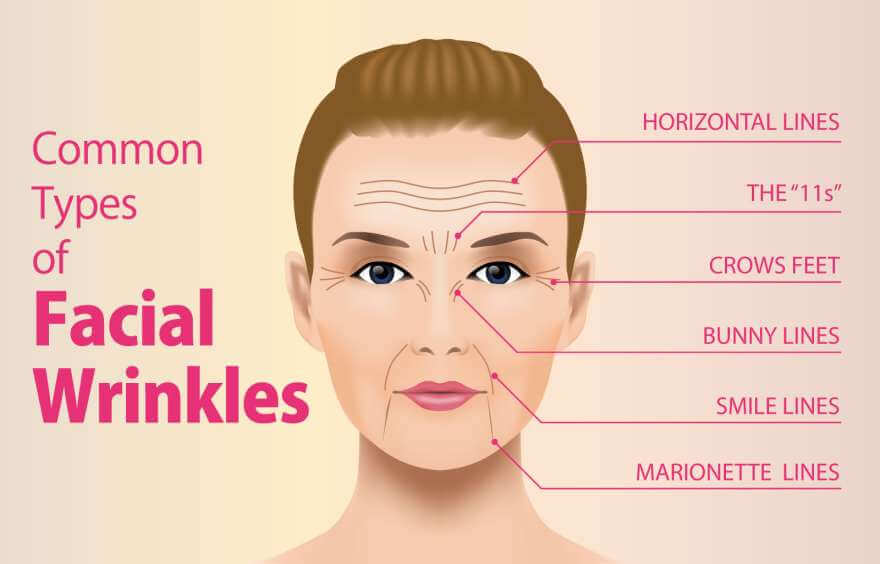
Facial wrinkle are one of the most visible signs of aging, often becoming a concern for many as they get older. These fine lines and folds are a natural part of the skin’s aging process, but their appearance can be influenced by various internal and external factors. Understanding what causes wrinkles and how to manage them can empower you to take better care of your skin at every stage of life.
What Causes Facial wrinkle?
Wrinkles develop as the skin loses its natural elasticity and moisture over time. Several key factors contribute to their formation:
1. Aging Process
As we age, our skin produces less collagen and elastin, two proteins responsible for maintaining skin’s firmness and flexibility. The reduction of these proteins leads to thinner, more fragile skin that is prone to wrinkling.
2. Sun Exposure
Ultraviolet (UV) radiation from the sun is a major culprit behind premature wrinkles. UV rays break down collagen fibers at a faster rate, leading to early signs of aging, particularly in areas like the face, neck, and hands.
3. Facial Expressions
Repeated facial movements such as smiling, frowning, and squinting cause grooves to form beneath the skin’s surface. Over time, these grooves become permanent wrinkles as the skin loses its ability to bounce back.
4. Lifestyle Factors
Habits like smoking, poor nutrition, inadequate sleep, and high stress levels can accelerate the skin’s aging process. Smoking, for example, restricts blood flow to the skin, depriving it of oxygen and essential nutrients.
5. Genetics
Your genetic makeup plays a significant role in how and when your skin begins to wrinkle. If your parents developed wrinkles early, you might be more predisposed to experiencing the same.
How to Prevent Facial wrinkle
While aging is inevitable, there are steps you can take to delay the onset of wrinkles:
- Sun Protection: Daily use of a broad-spectrum sunscreen with at least SPF 30 helps protect your skin from UV damage.
- Healthy Diet: Eating foods rich in antioxidants, such as fruits and vegetables, supports skin health and combats oxidative stress.
- Hydration: Keeping your skin and body hydrated can help maintain skin elasticity.
- Skincare Routine: Incorporating moisturizers, retinoids, and serums with hyaluronic acid or peptides can support skin regeneration.
- No Smoking: Quitting smoking improves circulation and oxygen supply to the skin, enhancing its overall appearance.
- Adequate Sleep: Restorative sleep allows your body to repair skin damage and rebuild collagen.
Treatment Options for Facial wrinkle
For those who wish to minimize existing wrinkles, several treatments are available:
- Topical Treatments: Retinoids (Vitamin A derivatives) are well-known for their ability to reduce the appearance of fine lines.
- Non-Surgical Procedures: Botox, dermal fillers, and chemical peels can temporarily smooth wrinkles and add volume to the skin.
- Laser Therapy: Laser resurfacing treatments stimulate collagen production and improve skin texture.
- Microneedling: This minimally invasive procedure encourages new collagen and elastin formation by creating tiny injuries to the skin.
Consulting a dermatologist can help you choose the right treatment based on your skin type and personal goals.
Embracing Natural Aging
It’s important to remember that wrinkles are a natural part of life’s journey. Each line tells a story — a testament to years of laughter, experiences, and wisdom. While prevention and treatment options exist, embracing your skin’s natural evolution with confidence can be just as beautiful as striving for youthful perfection.
The list of some Facial wrinkle medicine: