$0.00
0
What is Head and Neck Cancer

What is Head and Neck Cancer?

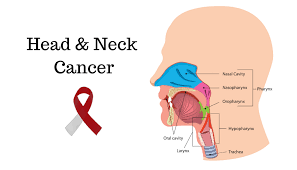
Head and neck cancer refers to a group of cancers that develop in or around the throat, larynx, nose, sinuses, and mouth. Though they make up a relatively small percentage of all cancers, these types can significantly affect breathing, eating, and speaking—making early detection and treatment especially critical. With advancements in diagnostics and therapies, outcomes …

Continue Reading
What is Mantle Cell Lymphoma

What is Mantle Cell Lymphoma (MCL)?

Mantle Cell Lymphoma (MCL) is a rare and aggressive form of non-Hodgkin lymphoma (NHL), a cancer that starts in the lymphatic system. Accounting for about 3–10% of all NHL cases, MCL tends to affect older adults, predominantly men, and often presents unique challenges in diagnosis and treatment. While advances in therapy have improved outcomes, mantle …

Continue Reading
What is Gout

What is Gout?

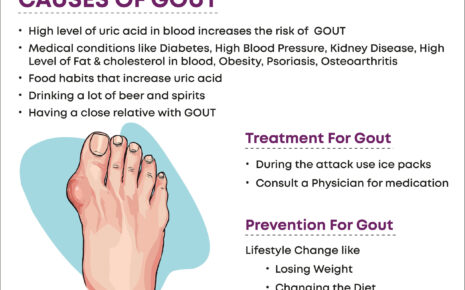
Gout is a common form of inflammatory arthritis that typically affects one joint at a time, often the big toe. Characterized by sudden, intense episodes of pain, redness, swelling, and tenderness, gout can significantly impact a person’s daily life. Although it was once thought of as a disease of the wealthy due to links with …

Continue Reading
What is Malignancies

What is Malignancies?

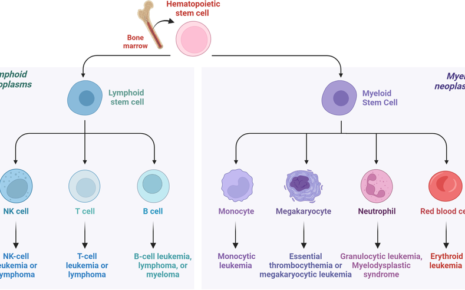
The word malignancy is often used interchangeably with cancer, describing the abnormal and uncontrolled growth of cells that can invade and destroy surrounding tissues and spread to other parts of the body. Unlike benign tumors, which are non-cancerous and generally less harmful, malignancies are aggressive and potentially life-threatening if not diagnosed and treated early. In …

Continue Reading
What is Glucocorticoids

What is Glucocorticoids?

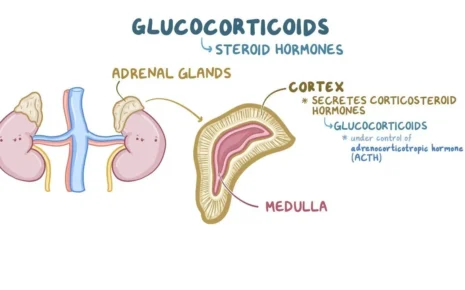
In the complex world of hormones, glucocorticoids stand out as powerful chemical messengers with wide-reaching effects on the body. Produced naturally by the adrenal glands and also available as synthetic medications, glucocorticoids play a crucial role in regulating inflammation, metabolism, immune responses, and even how we handle stress. Whether you’re dealing with autoimmune disease, chronic …

Continue Reading
What Is a Skin Rash

What Is a Skin Rash?

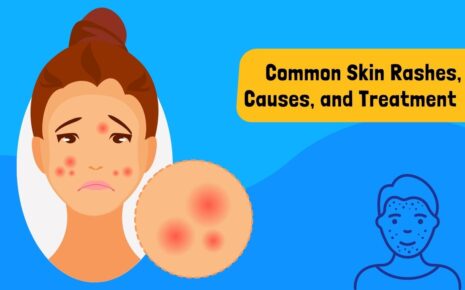
A skin rash is a common condition that most people will experience at some point in their lives. While often seen as a minor irritation, a rash can sometimes be a sign of an underlying health issue. Understanding the causes, symptoms, and treatments of skin rashes can help individuals manage them effectively and seek help …

Continue Reading
What is Stiffness

What is Stiffness?

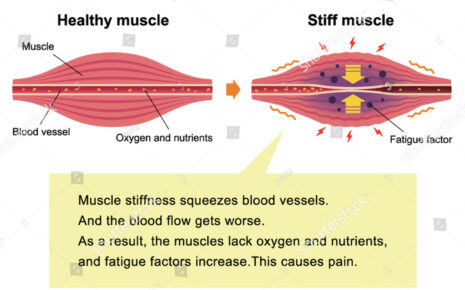
What is Stiffness: We’ve all felt it—that tight, achy feeling when you try to stretch in the morning or after sitting too long. It’s called stiffness, and while it might seem like a minor inconvenience, it can be a sign of deeper issues in the body. Whether temporary or chronic, understanding stiffness can help you …

Continue Reading
What is Genital Herpes

What is Genital Herpes?

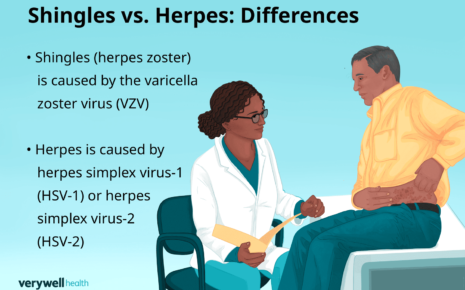
Herpes infections are common worldwide and are caused by different strains of the herpes virus. Each type of herpes affects the body differently, leading to a variety of symptoms and requiring specific management approaches. Here, we’ll dive into three major forms: Genital Herpes, Herpes Labialis, and Herpes Zoster. What is Genital Herpes? Genital herpes is …

Continue Reading
What is Supraventricular Arrhythmias

What is Supraventricular Arrhythmias?

Supraventricular arrhythmias (SVAs) are a group of abnormal heart rhythms originating in the upper chambers of the heart—the atria or the atrioventricular (AV) node. These arrhythmias are among the most common types of heart rhythm disorders and can range from being mild and asymptomatic to potentially life-threatening. Understanding the causes, symptoms, and treatment options for …

Continue Reading
What is Tardive Dyskinesia

What is Tardive Dyskinesia?

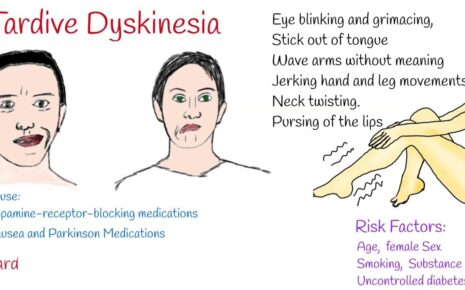
Tardive dyskinesia (TD) is a complex neurological disorder characterized by involuntary, repetitive body movements. It is most often a side effect of long-term use of certain medications, particularly antipsychotics and other drugs that affect the brain’s dopamine system. Though it can significantly impact quality of life, increased awareness and early management can help individuals cope …

Continue Reading