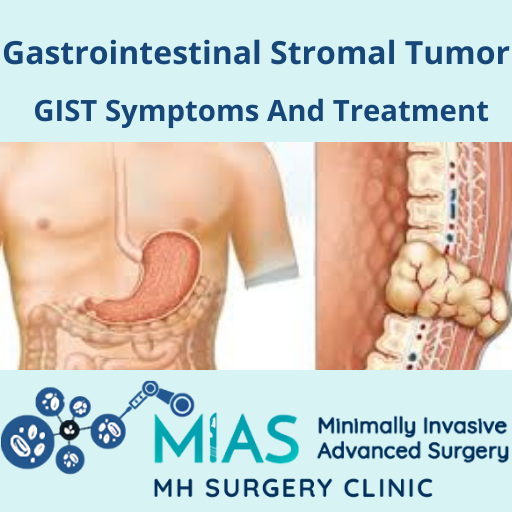
When discussing cancers of the digestive system, most people think of colon, stomach, or pancreatic cancers. However, there’s another, lesser-known type of tumor that arises from the gastrointestinal (GI) tract—Gastrointestinal Stromal Tumor, commonly referred to as GIST. Although rare, GIST is the most common form of mesenchymal tumor (a type of connective tissue tumor) found in the digestive tract.
In this blog, we’ll explore what GIST is, how it develops, its symptoms, diagnosis, treatment options, and what to expect after a diagnosis.
GIST is a type of tumor that originates from special cells in the wall of the GI tract known as the interstitial cells of Cajal (ICCs). These cells act as a “pacemaker” for the digestive system, helping to coordinate the movement of food through the intestines. When mutations occur in the genes that regulate these cells—most commonly in the KIT or PDGFRA genes—they can grow uncontrollably, forming tumors.
While GISTs can develop anywhere along the gastrointestinal tract, they are most frequently found in the stomach (about 60%) and small intestine (around 30%). They are less commonly seen in the esophagus, colon, or rectum.
Causes and Risk Factors
The exact cause of GIST is not fully understood, but several risk factors and genetic mutations are known to be associated with its development:
- Genetic mutations: Most GISTs involve mutations in the KIT gene, which leads to uncontrolled cell growth. Some tumors have mutations in the PDGFRA gene instead.
- Age: GISTs are more commonly diagnosed in adults over the age of 50.
- Genetic syndromes: Rarely, GISTs can be associated with hereditary conditions such as neurofibromatosis type 1 or Carney’s triad, a combination of GIST, paraganglioma, and pulmonary chondroma.
It’s important to note that GIST is not typically inherited, and most cases occur sporadically without a family history.
Symptoms of GIST
Many GISTs are small and asymptomatic when first discovered, often found incidentally during imaging or surgery for another condition. However, as the tumor grows, it can cause a range of symptoms, including:
- Abdominal pain or discomfort
- A noticeable lump or mass in the abdomen
- Gastrointestinal bleeding, leading to black or tarry stools
- Nausea and vomiting
- Loss of appetite and weight loss
- Fatigue due to anemia from internal bleeding
In some cases, larger tumors can cause blockage of the intestines, leading to severe symptoms like vomiting and inability to pass stools.
How is GIST Diagnosed?
Diagnosing GIST involves a combination of imaging studies, biopsies, and laboratory tests:
- Imaging: Tests such as CT scans, MRI, or endoscopic ultrasound can help identify the tumor’s location, size, and whether it has spread (metastasized).
- Endoscopy: A thin, flexible tube with a camera may be inserted through the mouth to examine the upper GI tract or through the rectum to examine the lower GI tract.
- Biopsy: A sample of the tumor is taken either through endoscopy, fine-needle aspiration, or surgery. Pathologists then examine the tissue under a microscope and perform molecular testing to identify mutations in KIT or PDGFRA genes.
- Molecular testing: Knowing the genetic makeup of the tumor is crucial because it helps guide treatment decisions.
Treatment Options for GIST
Treatment for GIST depends on the tumor’s size, location, and whether it has spread. The main treatment strategies include:
Surgery
For localized GISTs, surgical removal is often the first line of treatment. The goal is to remove the tumor completely without rupturing it, as this could cause cancerous cells to spread.
Targeted Therapy
One of the major breakthroughs in GIST treatment is the use of targeted therapy. These medications specifically attack the mutated proteins driving tumor growth:
- Imatinib (Gleevec): This drug is often used as a first-line treatment for advanced or metastatic GISTs. It can also be given after surgery (adjuvant therapy) to reduce the risk of recurrence.
- Sunitinib (Sutent): Used when GIST becomes resistant to imatinib or as a second-line treatment.
- Regorafenib (Stivarga) and Ripretinib (Qinlock): Newer options for patients whose tumors do not respond to earlier treatments.
Monitoring (“Watch and Wait”)
For very small, slow-growing GISTs that are not causing symptoms, doctors may recommend regular monitoring instead of immediate treatment.
Prognosis and Follow-Up
The prognosis for individuals with GIST varies depending on several factors, such as tumor size, location, mitotic rate (how quickly tumor cells are dividing), and whether the tumor has spread. With advances in targeted therapy, survival rates have significantly improved for patients with advanced disease.
After initial treatment, regular follow-up appointments are crucial. These typically include imaging studies to monitor for recurrence or progression of the disease.
Living with GIST
A diagnosis of GIST can be overwhelming, but many patients lead fulfilling lives after treatment. Managing side effects, maintaining a healthy lifestyle, and attending regular medical checkups are key to long-term well-being.
Support groups, counseling, and patient advocacy organizations can also provide emotional support and resources for navigating life after a GIST diagnosis.
Conclusion
Gastrointestinal stromal tumor (GIST) is a rare but important type of cancer that affects the digestive tract. Thanks to advancements in diagnostic methods and targeted therapies, the outlook for people with GIST has greatly improved over the years. Early diagnosis and personalized treatment strategies are crucial in managing the disease effectively and improving quality of life.
The list of some Gastrointestinal Stromal Tumor medicine: