Cancer can strike nearly every organ in the body, and while some types are well-known, others remain largely in the shadows due to their rarity. One such condition is Adrenocortical Carcinoma (ACC) — a rare and aggressive cancer that originates in the cortex of the adrenal glands. Despite its uncommon occurrence, awareness and early detection are key to improving outcomes for those affected.
Understanding the Adrenal Glands
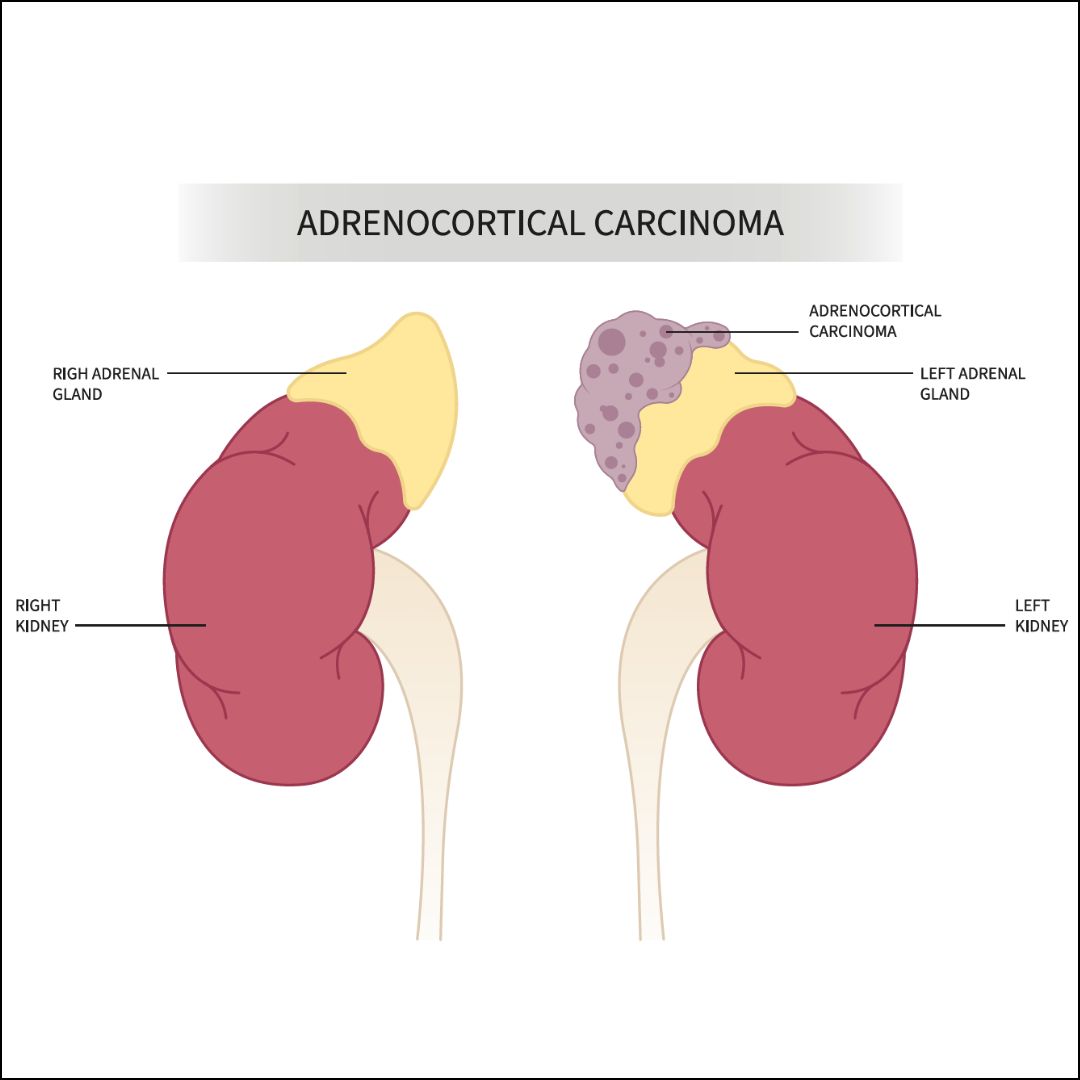
Before diving into the details of adrenocortical carcinoma, it’s helpful to understand what the adrenal glands do. These small, triangular glands sit atop each kidney and are made up of two parts:
- The adrenal cortex (outer layer), which produces steroid hormones like cortisol, aldosterone, and androgens
- The adrenal medulla (inner layer), which produces adrenaline and noradrenaline
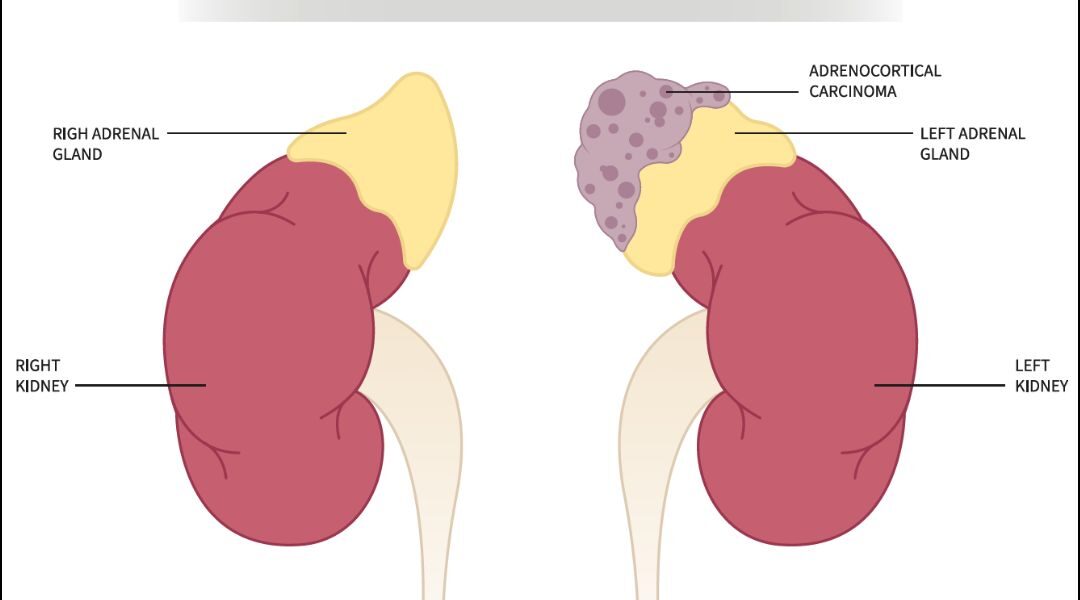
When a malignant tumor forms in the cortex, it’s known as adrenocortical carcinoma.
What Is Adrenocortical Carcinoma (ACC)?
Adrenocortical carcinoma is a rare cancer, affecting only about 1 to 2 people per million annually. It can occur at any age but is most common in children under 5 and adults in their 40s and 50s. The tumor may produce excess hormones, which can lead to noticeable physical symptoms, or it may be “nonfunctioning,” causing few signs until it becomes large or spreads.
ACC is typically aggressive, and because it’s often diagnosed in later stages, the prognosis can be poor without timely intervention.
Causes and Risk Factors
The exact cause of ACC is not well understood, but several risk factors and genetic links have been identified:
- Hereditary syndromes, such as:
- Li-Fraumeni syndrome
- Beckwith-Wiedemann syndrome
- Multiple endocrine neoplasia type 1 (MEN1)
- Family history of adrenal tumors or genetic mutations
- Exposure to certain environmental carcinogens (though this is still being studied)
ACC is not typically caused by lifestyle factors, which sets it apart from many other cancers.
Symptoms of Adrenocortical Carcinoma
Symptoms depend on whether the tumor is hormone-secreting or non-secreting:
Hormone-Secreting Tumors
- Excess cortisol (Cushing’s syndrome): rapid weight gain, muscle weakness, high blood pressure, high blood sugar, and a round face
- Excess androgens or estrogens: abnormal hair growth, menstrual irregularities, deepening of the voice, or early puberty in children
- Excess aldosterone: high blood pressure, low potassium, fatigue
Non-Secreting Tumors
- Abdominal pain or fullness
- Unexplained weight loss
- A palpable mass in the abdomen
Because these symptoms can mimic other conditions, diagnosis often requires thorough testing.
How Is ACC Diagnosed?
Early diagnosis is challenging but crucial. Physicians may use a combination of the following:
- Blood and urine tests: To detect hormone levels
- Imaging studies: CT scans, MRI, or PET scans help visualize the tumor and assess its spread
- Adrenal biopsy: Rarely done due to the risk of spreading cancerous cells
- Histopathological examination: After surgical removal, the tissue is examined to confirm malignancy
Treatment Options for ACC
Treatment depends on the size and stage of the tumor and whether it has spread:
1. Surgery
- Surgical removal of the tumor (adrenalectomy) is the primary treatment.
- Complete removal offers the best chance for cure if the tumor is localized.
2. Mitotane Therapy
- Mitotane is a drug that specifically targets adrenal cortex cells and is often used when surgery isn’t completely successful or if cancer recurs.
3. Chemotherapy
- Used in advanced cases or when the cancer has metastasized.
- Often combined with mitotane for better effectiveness.
4. Radiation Therapy
- Less commonly used but may help control symptoms or reduce recurrence.
5. Clinical Trials
- Since ACC is rare, ongoing research and trials may offer access to new, experimental treatments.
Prognosis and Outlook
The outlook for people with ACC depends heavily on the stage at diagnosis:
- Localized ACC (confined to the adrenal gland) has a better chance of long-term survival with surgery.
- Advanced ACC (spread to other organs) has a lower survival rate, but treatment may still prolong life and relieve symptoms.
Regular follow-up is crucial to monitor for recurrence, which is unfortunately common in ACC.
Conclusion
Adrenocortical carcinoma may be rare, but its potential severity makes awareness and early diagnosis critically important. Understanding the signs and seeking prompt medical evaluation when symptoms appear—especially in people with genetic predispositions—can make a significant difference in outcomes.
Although challenging to treat, advancements in targeted therapies and ongoing clinical research offer hope for better management and improved survival in the future.
The list of some Adrenocortical Carcinoma medicine:
Mitodx
LUCIMITO