Hair loss is a natural part of life, but when it becomes excessive or leads to noticeable thinning, it can affect self-esteem and confidence. Among the various types of hair loss, androgenetic alopecia is the most common, impacting millions of men and women worldwide. Sometimes referred to as male-pattern baldness or female-pattern hair loss, this condition is driven by a combination of genetics and hormonal changes.
In this blog, we’ll explore what androgenetic alopecia is, what causes it, how it manifests, and the treatment options available to manage and slow its progression.
Androgenetic alopecia is a form of hair loss that follows a predictable pattern. In men, it typically starts with a receding hairline and thinning at the crown, often progressing to partial or complete baldness. In women, it usually presents as diffuse thinning over the crown without a receding hairline.
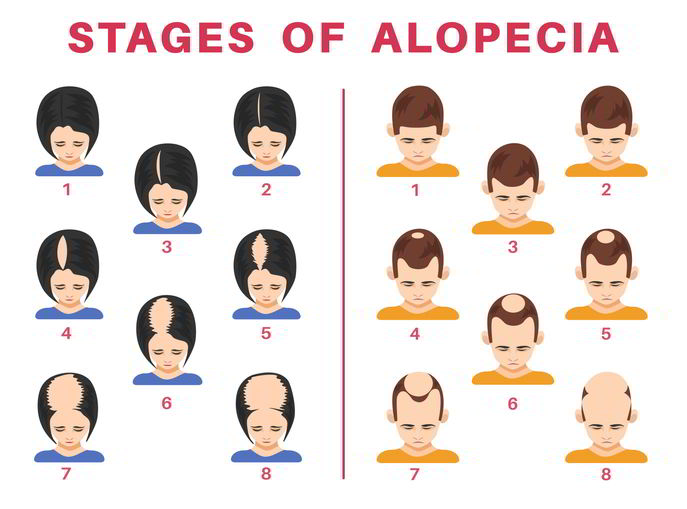
This type of hair loss is gradual and permanent if left untreated. It results from a genetic sensitivity of hair follicles to androgens, which are hormones like testosterone and dihydrotestosterone (DHT). Over time, the affected hair follicles shrink (a process known as miniaturization), leading to shorter, finer hair strands and eventually to a halt in hair production.
Causes of Androgenetic Alopecia
The development of androgenetic alopecia is influenced by two primary factors:
1. Genetics
A family history of hair loss significantly increases the likelihood of developing androgenetic alopecia. If one or both parents experienced hair loss, the chances are higher that their children will too. Specific genes inherited from both sides of the family contribute to this condition.
2. Hormones
Androgens play a crucial role in regulating hair growth and sexual development. In androgenetic alopecia, an increased sensitivity of hair follicles to DHT — a byproduct of testosterone — leads to the progressive thinning and loss of hair. DHT binds to receptors in the scalp’s hair follicles, shrinking them and shortening the hair growth cycle.
Other factors, like aging and overall health, can influence the onset and progression of androgenetic alopecia, but genetics and hormones are the primary drivers.
Symptoms and Patterns of Androgenetic Alopecia
The symptoms and pattern of hair loss differ between men and women:
In Men:
- Gradual thinning of hair on the temples and crown
- Formation of an “M”-shaped hairline
- Eventual partial or complete baldness if untreated
In Women:
- Widening of the part line
- Diffuse thinning across the top of the scalp
- Rarely leads to complete baldness, but hair density significantly reduces
Unlike other forms of alopecia, androgenetic alopecia usually does not cause scalp irritation, redness, or scarring.
Diagnosis
A healthcare provider or dermatologist can typically diagnose androgenetic alopecia through:
- Medical history and family history evaluation
- Physical examination of the scalp
- Pull test: Gently tugging on a small section of hair to see how many hairs come out
- Scalp biopsy (in rare cases): To rule out other causes of hair loss
Blood tests may also be recommended to check for underlying conditions like thyroid disease, iron deficiency, or hormonal imbalances that can contribute to hair loss.
Treatment Options for Androgenetic Alopecia
While there is currently no cure for androgenetic alopecia, several treatments can help slow its progression, promote hair regrowth, and improve the appearance of thinning hair.
Medications:
- Minoxidil (Rogaine): An over-the-counter topical treatment approved for both men and women. It helps stimulate hair growth and slow hair loss but must be used continuously for results to be maintained.
- Finasteride (Propecia): A prescription oral medication for men that lowers DHT levels, slowing hair loss and promoting regrowth. It is not typically recommended for women.
- Spironolactone: Sometimes prescribed for women, this medication blocks androgen receptors and may help with hair thinning related to androgen sensitivity.
Hair Transplant Surgery:
For individuals with significant hair loss, surgical options like hair transplants can offer more permanent solutions. Techniques such as Follicular Unit Transplantation (FUT) and Follicular Unit Extraction (FUE) involve moving hair follicles from one part of the scalp to another.
Low-Level Laser Therapy (LLLT):
Devices like laser combs, helmets, or caps use low-level light to stimulate hair follicles and promote hair growth. Some studies suggest they can be effective, especially when used alongside other treatments.
Lifestyle and Hair Care:
While lifestyle changes cannot cure androgenetic alopecia, maintaining a healthy diet rich in vitamins and minerals, avoiding harsh hair treatments, and managing stress can support overall hair health.
Living with Androgenetic Alopecia
Dealing with hair loss can be emotionally challenging. It’s important to seek support when needed, whether through friends, family, counseling, or support groups. Cosmetic solutions like wigs, hairpieces, and scalp micropigmentation can also help individuals feel more confident.
Early intervention often provides the best outcomes, so if you notice signs of thinning hair, it’s wise to consult a healthcare provider or dermatologist promptly.
Conclusion
Androgenetic alopecia is a common, progressive form of hair loss influenced by genetics and hormonal changes. While it can be distressing, multiple effective treatments are available to manage the condition and improve quality of life. Understanding the causes and available therapies empowers individuals to make informed decisions about their hair health.
The list of some Androgenetic Alopecia medicine:
Pronor