Anemia is one of the most common blood disorders worldwide, affecting people of all ages, genders, and backgrounds. Despite its widespread impact, anemia often goes undiagnosed because its symptoms can be subtle at first. Yet, left untreated, it can significantly affect overall health, energy levels, and quality of life. Let’s dive deeper into what anemia is, what causes it, and how it can be managed.
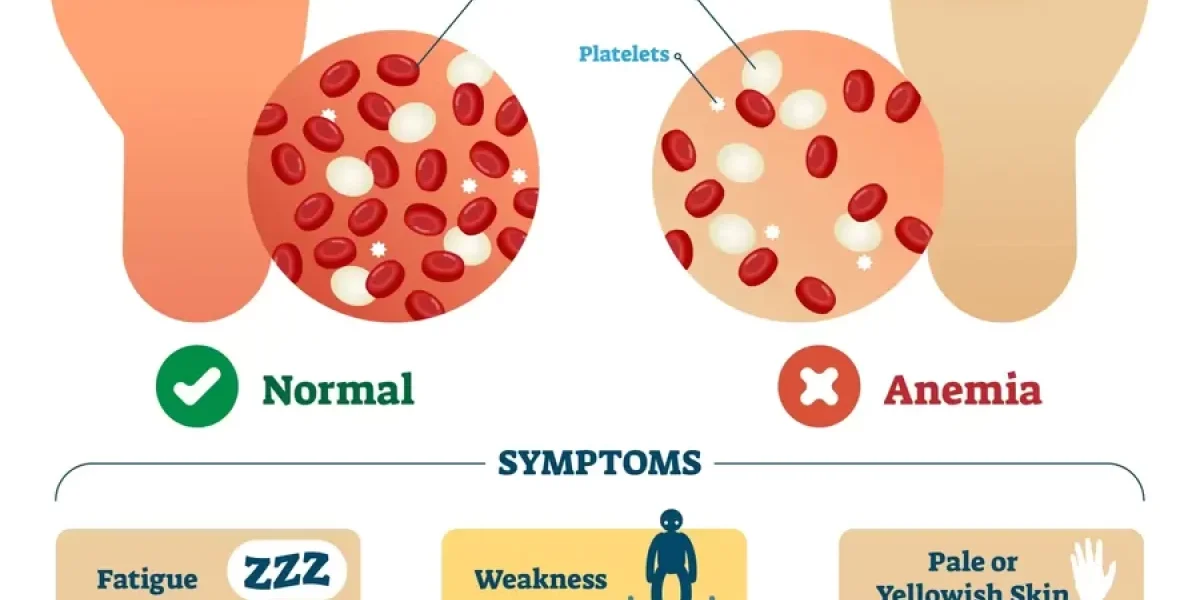
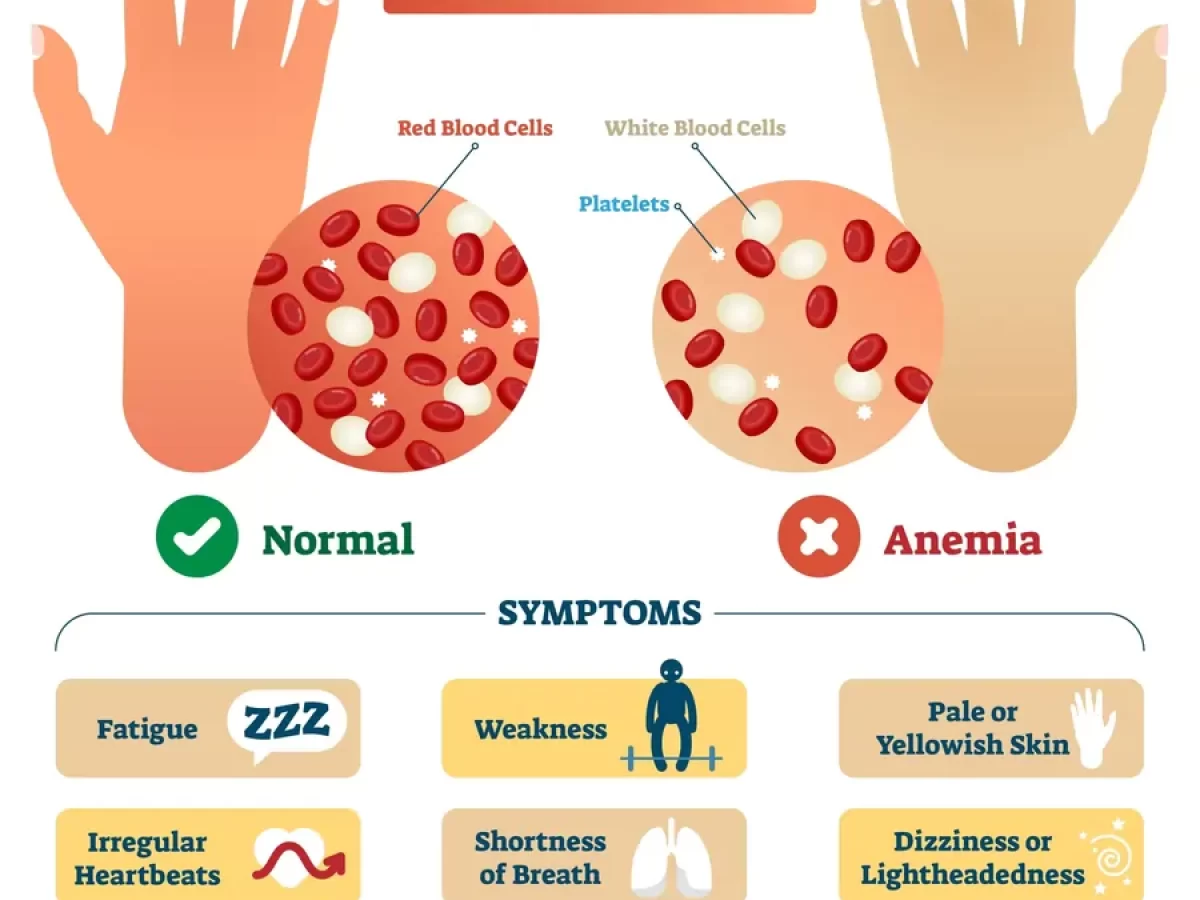
Anemia occurs when your body doesn’t have enough healthy red blood cells to carry adequate oxygen to your tissues. Red blood cells contain hemoglobin, a protein rich in iron, which binds to oxygen and transports it throughout the body. When hemoglobin levels are low, organs and tissues receive less oxygen than they need, leading to symptoms like fatigue, weakness, and shortness of breath.
There are several types of anemia, each with different causes and characteristics, but all share the basic feature of impaired oxygen delivery.
Common Causes of Anemia
Anemia can develop due to several reasons, often categorized into three main causes:
- Blood Loss: Conditions like heavy menstrual periods, gastrointestinal bleeding, or trauma can cause significant blood loss, leading to anemia.
- Decreased Red Blood Cell Production: Poor nutrition (especially lack of iron, vitamin B12, or folic acid), chronic diseases, or bone marrow disorders can reduce the production of red blood cells.
- Increased Red Blood Cell Destruction: Certain autoimmune diseases, genetic disorders like sickle cell anemia, or infections can cause red blood cells to break down faster than they are made.
Understanding the underlying cause is crucial for choosing the right treatment.
Symptoms of Anemia
Symptoms vary depending on the severity and the underlying cause but commonly include:
- Persistent fatigue and weakness
- Pale or yellowish skin
- Dizziness or lightheadedness
- Shortness of breath, even with minimal exertion
- Rapid or irregular heartbeat
- Cold hands and feet
- Chest pain (in more severe cases)
In some individuals, particularly those with mild anemia, symptoms may be so subtle that the condition is only discovered during routine blood tests.
Diagnosing Anemia
Anemia is typically diagnosed through a complete blood count (CBC) test, which measures:
- Red blood cell count
- Hemoglobin concentration
- Hematocrit (the proportion of blood volume occupied by red cells)
Further tests may be needed to pinpoint the type of anemia and its cause, such as:
- Iron studies
- Vitamin B12 and folate levels
- Bone marrow biopsy (in rare cases)
Early detection through routine health checks can prevent complications and allow timely treatment.
Treatment Options for Anemia
Treatment depends on the type and cause of anemia:
- Iron-deficiency anemia: Treated with iron supplements and dietary changes to increase iron intake.
- Vitamin-deficiency anemia: Supplementation with vitamin B12 or folic acid, depending on which nutrient is lacking.
- Anemia of chronic disease: Managing the underlying illness can help improve anemia.
- Hemolytic anemia: Requires treatments like medications to suppress the immune system or procedures such as blood transfusions.
- Severe anemia: In some cases, blood transfusions or medications that stimulate red blood cell production may be necessary.
Lifestyle changes, such as improving diet and managing chronic conditions, play a key role in long-term management.
Preventing Anemia
Many cases of anemia can be prevented with simple measures:
- Eat a balanced diet rich in iron (e.g., red meat, spinach, beans), vitamin B12 (e.g., dairy, eggs, meat), and folic acid (e.g., leafy greens, citrus fruits).
- Take prenatal vitamins during pregnancy to prevent anemia in both the mother and baby.
- Regularly screen for anemia if you have risk factors like heavy menstruation, chronic diseases, or a family history of blood disorders.
- Address and manage chronic medical conditions early.
Good nutrition and regular health check-ups are your best defense against anemia.
Conclusion
Anemia is far more than just feeling tired — it’s a significant health condition that, if left untreated, can have lasting effects on your heart, brain, and overall well-being. Fortunately, with the right awareness, early diagnosis, and appropriate treatment, most forms of anemia can be effectively managed or even prevented. Listening to your body and prioritizing your health can help you stay energized and strong, every day.
The list of some Anemia medicine:
Hydronix
Hydrea
Eporise
Hemocrit
Initer
Recogen