Anorexia, medically known as anorexia nervosa, is a serious and potentially life-threatening eating disorder characterized by an intense fear of gaining weight and a distorted body image. People with anorexia often restrict their food intake severely, leading to extreme weight loss and numerous health complications. Despite its severe physical consequences, anorexia is deeply rooted in psychological struggles and requires compassionate, comprehensive treatment.
In this blog, we will explore what anorexia is, its causes, symptoms, complications, and available treatment options.
Anorexia nervosa is more than just a desire to be thin. It is a complex mental health condition where individuals see themselves as overweight, even when they are dangerously underweight. Their intense fear of gaining weight drives them to restrict calories, exercise excessively, or engage in purging behaviors like vomiting or misuse of laxatives.
Anorexia is not about food itself, but rather an unhealthy way of coping with emotional pain, stress, or low self-esteem.
Types of Anorexia
There are two recognized subtypes of anorexia nervosa:
- Restricting Type: Individuals drastically reduce the amount of food they consume without engaging in binge-eating or purging behaviors.
- Binge-Eating/Purging Type: Individuals also severely restrict their food intake but may experience episodes of binge eating followed by purging through vomiting, excessive exercise, or laxative use.
Causes and Risk Factors
Anorexia develops from a complex mix of biological, psychological, and environmental factors:
- Genetics: A family history of eating disorders, depression, or anxiety can increase the risk.
- Psychological Factors: Perfectionism, obsessive-compulsive tendencies, low self-esteem, and difficulty managing emotions are often linked to anorexia.
- Sociocultural Influences: Cultural pressures emphasizing thinness, social media portrayal of “ideal” body types, and societal stigma against weight gain can all contribute.
- Trauma or Stress: Life events like bullying, abuse, or major transitions (such as going to college) can trigger the onset.
It’s important to understand that no single cause leads to anorexia; it usually arises from an interplay of various influences.
Symptoms of Anorexia
The symptoms of anorexia are both physical and emotional. They can include:
Physical Symptoms:
- Severe weight loss
- Fatigue and weakness
- Insomnia
- Dizziness or fainting
- Thinning hair or hair loss
- Irregular or absent menstrual periods
- Constipation and abdominal pain
- Dry or yellowish skin
- Cold intolerance (feeling cold all the time)
Emotional and Behavioral Symptoms:
- Preoccupation with food, dieting, and body size
- Skipping meals or refusing to eat
- Denying hunger
- Developing food rituals (e.g., eating foods in a specific order)
- Excessive exercise
- Withdrawal from social activities
- Intense fear of gaining weight, even when underweight
Recognizing these signs early can make a significant difference in the outcome of treatment.
Health Complications of Anorexia
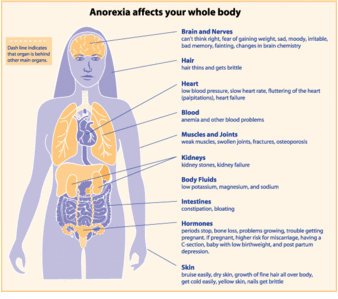
Anorexia can affect nearly every system in the body, leading to serious, sometimes irreversible complications:
- Heart problems, including arrhythmias and heart failure
- Bone loss (osteoporosis), increasing the risk of fractures
- Muscle wasting and weakness
- Kidney and liver damage
- Anemia
- Gastrointestinal issues
- Infertility
- Cognitive impairments, such as difficulty concentrating
In severe cases, anorexia can lead to death, either from organ failure or complications such as suicide.
Diagnosis
Diagnosing anorexia typically involves:
- A thorough physical exam
- Psychological evaluations
- Blood tests and other lab studies
- Assessment of eating habits and body image issues
Doctors often use the criteria outlined in the Diagnostic and Statistical Manual of Mental Disorders (DSM-5) to confirm a diagnosis.
Treatment for Anorexia
Recovery from anorexia is possible, but it often requires a multidisciplinary approach involving medical, psychological, and nutritional support.
1. Medical Care:
Stabilizing physical health is a priority, especially if life-threatening complications are present. Hospitalization may be necessary for severe cases.
2. Nutritional Therapy:
A registered dietitian can help individuals establish healthy eating patterns, restore weight, and correct nutritional deficiencies.
3. Psychotherapy:
Evidence-based therapies such as cognitive-behavioral therapy (CBT), family-based therapy (FBT), and interpersonal therapy can address the emotional roots of anorexia.
4. Medications:
While there are no medications specifically approved for anorexia, antidepressants or other psychiatric medications may be prescribed to treat co-existing conditions like depression or anxiety.
5. Support Systems:
Family involvement, support groups, and ongoing therapy can provide emotional reinforcement during recovery.
Recovery is often a long process with ups and downs, but many people do achieve full remission and go on to lead healthy, fulfilling lives.
Prevention and Early Intervention
Preventing anorexia involves promoting healthy attitudes toward body image, self-esteem, and food, especially among young people. Encouraging open discussions about emotions, addressing body shaming, and fostering media literacy can all help reduce the risk.
Early intervention is key; the sooner anorexia is diagnosed and treated, the better the chances for recovery.
Conclusion
Anorexia nervosa is a serious but treatable disorder that affects both the mind and body. Understanding its complexity, recognizing its signs, and seeking help early can make all the difference. Recovery requires patience, compassion, and a comprehensive support system, but with the right care, individuals struggling with anorexia can reclaim their health and happiness.
The list of some Anorexia medicine:
Megestol Suspension
Mezest
Megestol
Apit
Meganor
Mezoxia