Anxiety is a natural emotional response to stress, uncertainty, or danger. Everyone experiences anxiety at times — it’s part of the body’s defense mechanism, helping us stay alert and prepared. However, when anxiety becomes overwhelming, persistent, or disrupts daily life, it can turn into a serious health concern.
Millions of people worldwide live with anxiety disorders, making it one of the most common mental health conditions today. Understanding anxiety is the first step toward managing it and improving quality of life.
What is Anxiety?
At its core, anxiety is the body’s way of responding to perceived threats. It triggers a range of physical and emotional reactions, such as increased heart rate, rapid breathing, and heightened alertness.
While occasional anxiety is a normal part of life — like feeling nervous before a big test or a job interview — an anxiety disorder involves intense, excessive, and persistent worry or fear about everyday situations.
There are different types of anxiety disorders, including:
- Generalized Anxiety Disorder (GAD): Chronic, exaggerated worry about routine life events.
- Panic Disorder: Sudden and repeated attacks of intense fear or discomfort.
- Social Anxiety Disorder: Extreme fear of social situations and being judged or humiliated by others.
- Specific Phobias: Intense fear of specific objects or situations, like flying or heights.
- Separation Anxiety Disorder: Fear of being away from loved ones, often seen in children but can affect adults too.
Causes and Risk Factors
The exact cause of anxiety is not fully understood, but it likely involves a combination of factors:
- Genetics: Anxiety disorders can run in families.
- Brain chemistry: Imbalances in brain chemicals like serotonin and dopamine may contribute.
- Personality: People who are naturally shy or easily overwhelmed by stress are more prone to anxiety.
- Life experiences: Traumatic events, abuse, or significant life changes can trigger anxiety.
- Medical conditions: Certain illnesses, such as heart disease, diabetes, or thyroid issues, can cause or worsen anxiety.
Symptoms
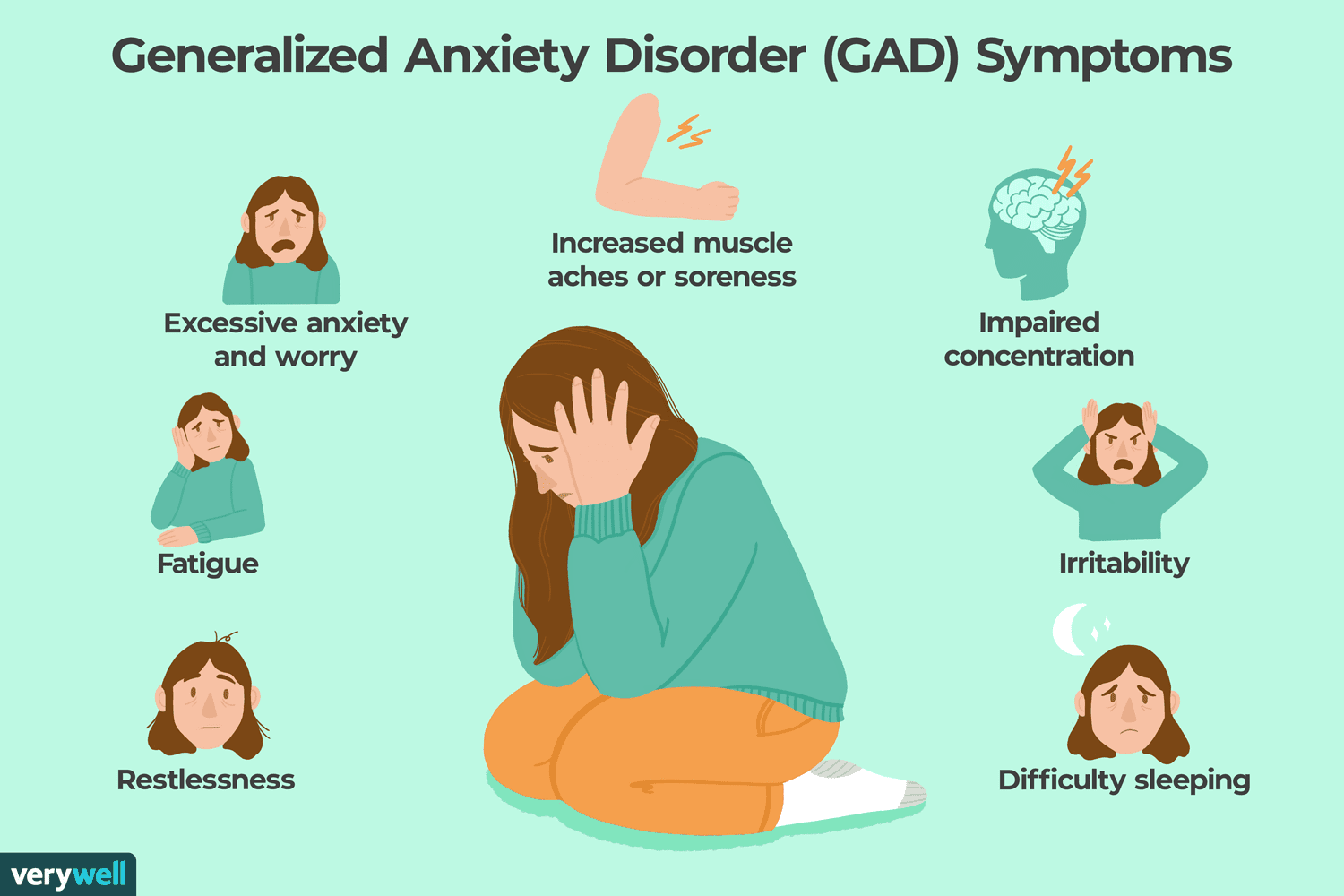
Anxiety can manifest in various ways, including:
Physical Symptoms:
- Rapid heartbeat
- Sweating
- Trembling
- Shortness of breath
- Dizziness
- Muscle tension
- Stomach problems
Emotional and Cognitive Symptoms:
- Restlessness
- Feelings of dread or panic
- Difficulty concentrating
- Irritability
- Sleep disturbances
- Persistent worry
The intensity and combination of symptoms can vary widely from person to person.
Effects on Daily Life
Unmanaged anxiety can significantly impact daily life. It may lead to avoidance behaviors, strained relationships, problems at work or school, and reduced self-esteem. Over time, chronic anxiety can also contribute to physical health issues, such as heart problems, gastrointestinal disorders, and weakened immune function.
Diagnosis
Healthcare providers diagnose anxiety disorders through:
- Medical history: Reviewing symptoms and personal and family history.
- Physical exam: To rule out underlying medical conditions.
- Psychological evaluation: Using questionnaires or interviews to assess anxiety symptoms.
A correct diagnosis is crucial for determining the most effective treatment plan.
Treatment Options
Anxiety disorders are highly treatable, and many people find relief through one or a combination of the following approaches:
Therapy
- Cognitive Behavioral Therapy (CBT): A highly effective form of psychotherapy that helps people identify, understand, and change thinking patterns and behaviors that trigger anxiety.
- Exposure therapy: Gradually exposing a person to anxiety-producing situations to reduce fear.
- Acceptance and Commitment Therapy (ACT): Encourages accepting negative thoughts rather than fighting them.
Medications
- Antidepressants: Such as SSRIs (Selective Serotonin Reuptake Inhibitors) are commonly prescribed.
- Anti-anxiety medications: Such as benzodiazepines, for short-term use.
- Beta-blockers: Sometimes used to manage physical symptoms like rapid heart rate.
Lifestyle Changes
- Regular physical exercise
- Healthy, balanced diet
- Adequate sleep
- Reducing caffeine and alcohol intake
- Practicing relaxation techniques such as deep breathing, meditation, or yoga
- Building a strong support system
Coping Strategies
Aside from professional treatment, individuals can practice self-help strategies to manage anxiety:
- Mindfulness meditation: Staying grounded in the present moment can reduce anxious thoughts.
- Journaling: Writing down worries helps gain perspective and reduce overthinking.
- Setting small, achievable goals: Breaking tasks into manageable steps can prevent feeling overwhelmed.
- Learning stress management techniques: Helps build resilience against future anxiety episodes.
Final Thoughts
Anxiety is a part of life, but it should not control your life. Whether it’s occasional worry or a diagnosed anxiety disorder, recognizing the signs and seeking support can make a profound difference. With the right treatment, coping strategies, and support system, it is entirely possible to lead a calm, fulfilling life even with anxiety.
Taking the first step to address anxiety is an act of strength — and it’s never too late to begin the journey toward emotional well-being.
The list of some Anxiety medicine:
Sizonil
Lozicum
Ativan Expidet