In today’s fast-paced world, it’s easy to get distracted. But for individuals with attention-deficit issues, staying focused isn’t just a challenge—it’s a daily struggle that impacts school, work, relationships, and overall quality of life. Often associated with Attention-Deficit/Hyperactivity Disorder (ADHD), attention-deficit is a complex neurological condition that deserves greater understanding and compassion.
In this blog, we’ll dive into what attention-deficit really means, how it affects individuals, and strategies for managing it effectively.
Attention-deficit refers to persistent difficulties in maintaining focus, staying organized, following through with tasks, and resisting distractions. It is one of the core features of ADHD but can also exist independently or alongside other conditions.
It’s important to realize that attention-deficit is not simply about being careless or lazy. It reflects real differences in brain function and development, often involving the prefrontal cortex—an area critical for executive functions like planning, decision-making, and impulse control.
Symptoms of Attention-Deficit
Attention-deficit symptoms can vary from person to person but typically include:
- Difficulty sustaining attention on tasks or activities
- Frequent careless mistakes in work or school assignments
- Seeming not to listen when spoken to directly
- Trouble organizing tasks and activities
- Avoiding or being reluctant to engage in tasks that require sustained mental effort
- Losing necessary items like keys, phones, or paperwork
- Being easily distracted by extraneous stimuli
- Forgetfulness in daily activities
These symptoms are often noticeable from a young age but can persist into adulthood if not properly addressed.
Causes and Risk Factors
The exact cause of attention-deficit is not fully understood, but research suggests a combination of genetic, neurological, and environmental factors, such as:
- Genetics: Attention-deficit often runs in families, suggesting a hereditary component.
- Brain structure and function: Differences in brain anatomy and neurotransmitter activity, especially involving dopamine, may play a role.
- Prenatal exposure: Exposure to toxins, such as alcohol or tobacco smoke during pregnancy, may increase risk.
- Premature birth: Children born prematurely or with low birth weight may have a higher chance of developing attention issues.
- Environmental influences: Early childhood adversity, such as exposure to lead or extreme stress, can contribute.
Understanding these factors helps break down the stigma that attention-deficit is a result of personal failure.
Attention-Deficit in Children vs. Adults
While attention-deficit is often diagnosed in childhood, it doesn’t necessarily disappear with age. In fact, many adults continue to experience symptoms, although they may manifest differently.
Children might struggle with schoolwork, following instructions, or maintaining friendships. Adults may have difficulties with time management, maintaining employment, organizing finances, or maintaining relationships.
Recognizing and adapting to these challenges at each life stage is crucial for long-term success and well-being.
Diagnosis
Diagnosis typically involves a comprehensive evaluation, including:
- Clinical interviews
- Questionnaires and rating scales
- Input from parents, teachers, or partners
- Medical examination to rule out other causes
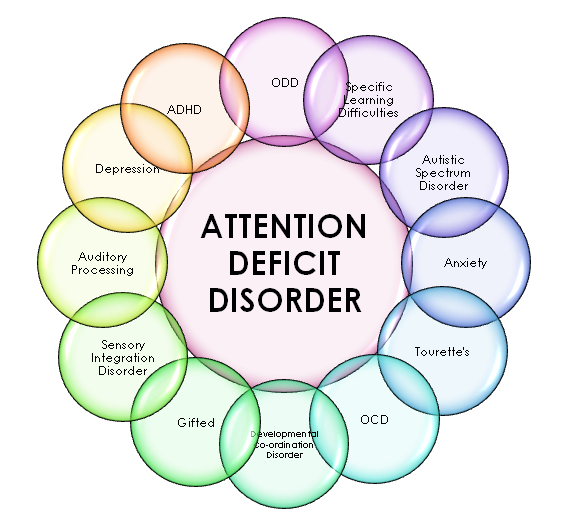
Since attention-deficit symptoms overlap with other conditions like anxiety, depression, or learning disorders, careful assessment by a qualified professional is essential.
Treatment and Management
There is no one-size-fits-all solution for attention-deficit, but a combination of strategies often leads to the best outcomes:
- Medication: Stimulants (like methylphenidate) and non-stimulants can help regulate brain chemicals involved in attention and impulse control.
- Behavioral therapy: Helps develop coping strategies, organization skills, and adaptive behaviors.
- Cognitive-behavioral therapy (CBT): Focuses on changing negative thought patterns and behaviors.
- Coaching and skills training: Especially helpful for teens and adults to develop routines, goal-setting habits, and time management strategies.
- Educational support: Individualized education programs (IEPs) or classroom accommodations can assist students in learning more effectively.
Support from family, teachers, and employers also plays a crucial role in managing attention-deficit successfully.
Living with Attention-Deficit: Practical Tips
For those living with attention-deficit, small adjustments can make a big difference:
- Break tasks into smaller, manageable steps
- Use reminders, alarms, and calendars
- Create structured routines and stick to them
- Minimize distractions in workspaces
- Prioritize tasks with lists and deadlines
- Practice mindfulness and stress reduction techniques
Consistency and patience are key. What works for one person may not work for another, so flexibility in finding effective strategies is important.
Final Thoughts
Attention-deficit is much more than occasional forgetfulness or getting distracted—it is a real, complex challenge that affects many areas of life. With the right support, understanding, and strategies, individuals with attention-deficit can thrive and lead fulfilling lives.
Recognizing the signs, seeking proper diagnosis, and embracing a tailored treatment plan can open the door to improved focus, better organization, and greater self-confidence. Everyone deserves the chance to reach their full potential—attention-deficit does not define a person’s abilities, creativity, or worth.
If you or someone you know struggles with attention-deficit symptoms, reaching out for professional support is the first step toward positive change.
The list of some Attention Deficit medicine:
Methyphen
Attentin
Oriham
Axepta
Atominex