Attention Deficit Hyperactivity Disorder (ADHD) is one of the most common neurodevelopmental disorders affecting children and adults. Despite growing awareness, there is still a significant amount of misunderstanding surrounding ADHD. It’s often dismissed as simply being “hyper” or “distracted,” but the condition is far more complex and deeply rooted in brain function.
ADHD is a medical condition that affects how a person’s brain works. Individuals with ADHD typically struggle with sustaining attention, regulating impulses, and maintaining consistent levels of activity. While it is most often diagnosed in childhood, the condition can persist into adolescence and adulthood, with symptoms sometimes shifting in intensity or presentation over time.
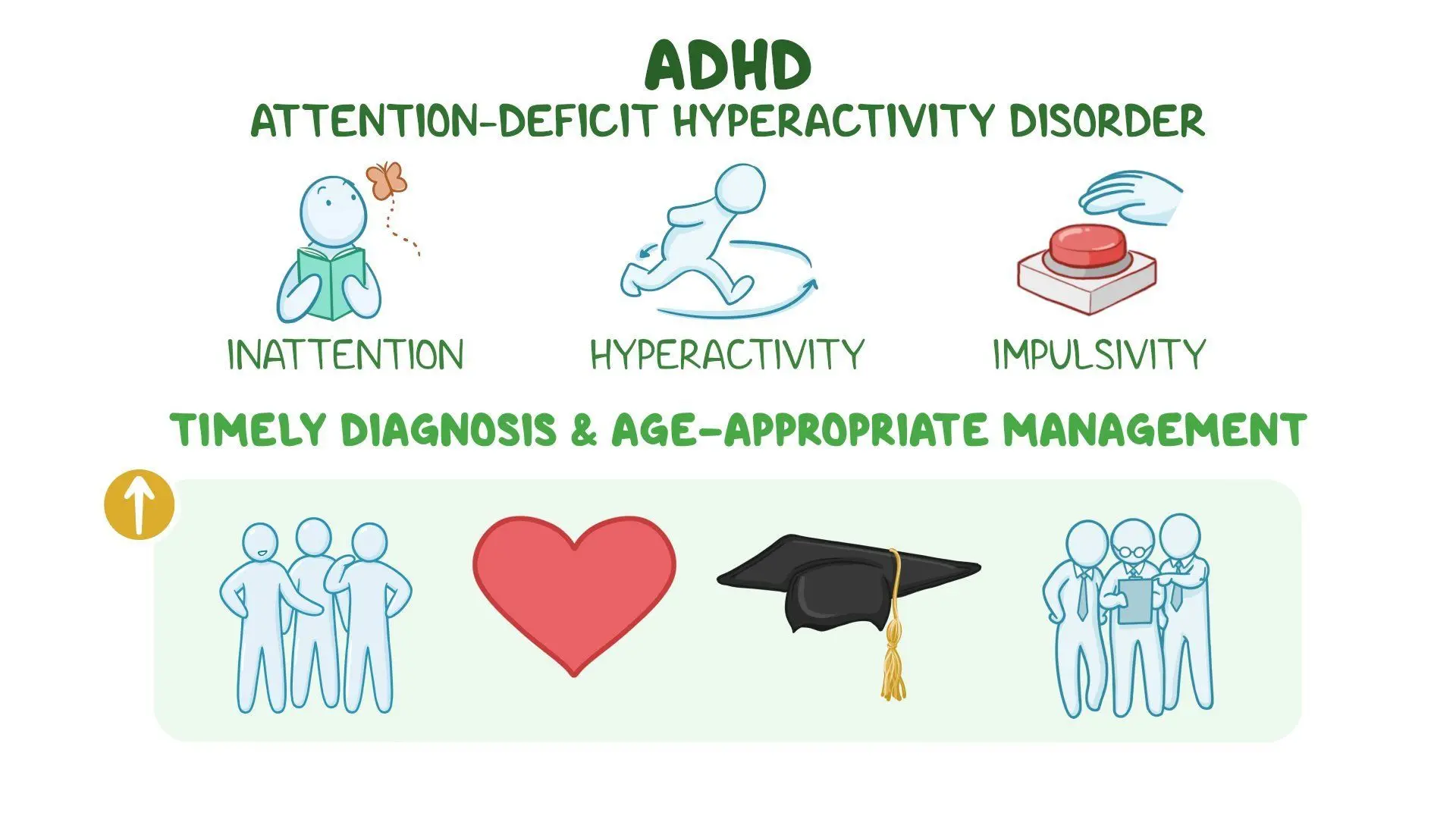
There are three main types of ADHD:
- Inattentive Type: Difficulty focusing, following instructions, or organizing tasks.
- Hyperactive-Impulsive Type: Excessive movement, fidgeting, or acting without thinking.
- Combined Type: A mix of both inattentive and hyperactive-impulsive symptoms.
Common Signs and Symptoms
Recognizing ADHD can be challenging because its symptoms often overlap with normal childhood behavior or other conditions. However, some common indicators include:
- Constantly losing things
- Frequently making careless mistakes
- Talking excessively or interrupting others
- Difficulty sitting still or remaining quiet
- Trouble following through on tasks or instructions
Causes and Risk Factors
The exact cause of ADHD is still not fully understood, but research suggests a combination of genetics, brain structure differences, and environmental factors contribute to its development. Children with a family history of ADHD, exposure to environmental toxins during pregnancy, or premature birth may be at higher risk.
Diagnosis and Treatment
Diagnosing ADHD is not about taking a single test. Instead, it involves a comprehensive evaluation that includes medical exams, interviews, behavior rating scales, and observations over time. It’s important that the assessment is done by a qualified healthcare provider, such as a psychologist or pediatrician.
Treatment usually includes a combination of strategies:
- Medication: Stimulants like methylphenidate or amphetamines are commonly prescribed and can help improve focus and control behavior.
- Behavioral Therapy: Helps individuals develop coping strategies, build organizational skills, and improve social interactions.
- Lifestyle Changes: Regular exercise, proper sleep, a healthy diet, and structured routines can support overall well-being and symptom management.
Living with ADHD
ADHD does not define a person’s potential. Many individuals with ADHD are incredibly creative, energetic, and passionate. With proper support, they can thrive in school, work, and life. The key is early intervention, understanding, and a supportive environment that embraces neurodiversity rather than punishes it.
Breaking the Stigma
One of the biggest challenges facing people with ADHD is the stigma. Misunderstandings and stereotypes can lead to feelings of shame or low self-esteem. Education is crucial—not just for those with ADHD, but for society as a whole. By fostering empathy and awareness, we can build communities where everyone has the opportunity to succeed.
Conclusion
ADHD is not a flaw or a weakness—it’s a different way of experiencing the world. With the right tools, patience, and support, individuals with ADHD can turn their challenges into strengths and lead fulfilling lives. The journey may be different, but it’s just as valuable.
The list of some Attention Deficit Hyperactivity Disorder medicine:
Methyphen
Attentin
Oriham
Axepta
Atominex