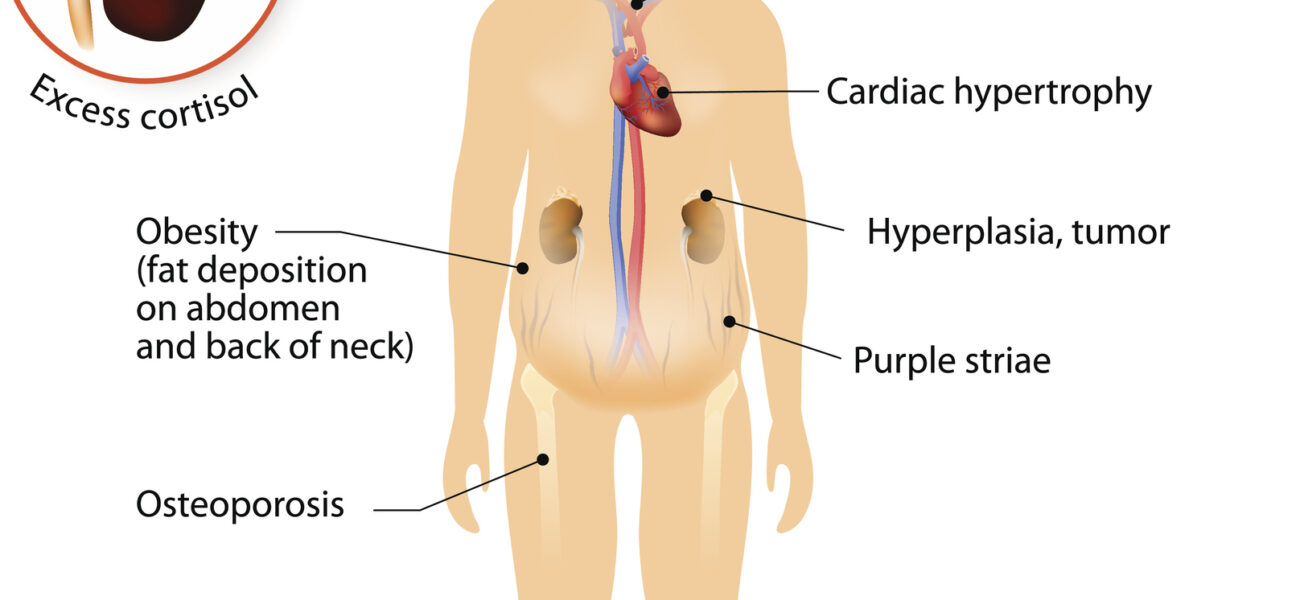
Hormones are vital to nearly every function in the human body, from metabolism to mood. One hormone in particular, cortisol, plays a critical role in how we respond to stress, maintain blood sugar, and regulate blood pressure. But what happens when the body produces too much of it? The answer is a condition called Cushing’s syndrome—a hormonal disorder that can affect both physical appearance and internal health.
Cushing’s syndrome is a rare condition that occurs when the body is exposed to high levels of cortisol over a long period of time. This excess may be caused by internal issues—such as tumors—or external sources, such as the prolonged use of corticosteroid medications like prednisone.
Cortisol is often referred to as the “stress hormone,” but it does much more than help us respond to threats. It helps regulate metabolism, reduce inflammation, and assist with memory formulation. When cortisol levels are abnormally high, however, it disrupts the body’s natural balance.
Causes of Cushing’s Syndrome
There are two main types of Cushing’s syndrome: exogenous (from outside the body) and endogenous (from within the body).
1. Exogenous Cushing’s Syndrome
This form results from long-term use of corticosteroid medications, commonly prescribed for conditions such as:
- Rheumatoid arthritis
- Asthma
- Lupus
- Organ transplant rejection prevention
2. Endogenous Cushing’s Syndrome
This occurs when the body overproduces cortisol. Common causes include:
- Pituitary tumors (Cushing’s disease): Benign tumors that secrete excess ACTH, stimulating cortisol production.
- Adrenal tumors: Noncancerous or cancerous growths in the adrenal glands.
- Ectopic ACTH syndrome: Certain tumors outside the pituitary, such as in the lungs or pancreas, can produce ACTH.
Common Signs and Symptoms
Cushing’s syndrome can develop slowly, and its symptoms can mimic other conditions. However, some hallmark signs include:
- Weight gain, especially in the face (“moon face”), upper back (“buffalo hump”), and abdomen
- Purple or pink stretch marks on the abdomen, thighs, or breasts
- Thinning skin that bruises easily
- Muscle weakness
- High blood pressure
- Mood swings, anxiety, or depression
- Irregular menstrual cycles or fertility issues
- Increased facial or body hair in women
- Osteoporosis
In children, Cushing’s syndrome may also cause slowed growth with continued weight gain.
How Is Cushing’s Syndrome Diagnosed?
Diagnosis often involves multiple steps to confirm the presence of excess cortisol and identify its source:
- Urine and blood tests: To measure cortisol levels over 24 hours.
- Late-night salivary cortisol test: Cortisol should be low at night; high levels suggest Cushing’s syndrome.
- Dexamethasone suppression test: Evaluates how cortisol levels respond to synthetic steroids.
- Imaging studies: CT scans or MRI to locate tumors on the adrenal or pituitary glands.
Treatment Options
The treatment for Cushing’s syndrome depends on the underlying cause:
1. Reducing Corticosteroid Use
If caused by long-term steroid use, your doctor may reduce the dosage or switch to alternative treatments under careful supervision.
2. Surgery
For pituitary or adrenal tumors, surgical removal is often the first line of treatment. This can be highly effective in restoring hormone balance.
3. Radiation Therapy
If surgery isn’t possible or doesn’t remove all tumor cells, targeted radiation may be used.
4. Medications
Several medications can help control cortisol production when surgery is not an option, including:
- Ketoconazole
- Metyrapone
- Mitotane
Potential Complications
Without treatment, Cushing’s syndrome can lead to serious complications, such as:
- Type 2 diabetes
- Heart disease
- Severe infections
- Bone fractures
- Psychological issues
Early diagnosis and management are essential to preventing these long-term effects.
Living With Cushing’s Syndrome
Recovery from Cushing’s syndrome can be gradual. Hormone levels may take time to normalize, and physical changes—such as weight loss and muscle strength—may improve slowly. Emotional support, healthy lifestyle habits, and regular follow-up care can significantly aid in recovery.
Conclusion
Cushing’s syndrome may be rare, but its impact on the body is far-reaching. Understanding the causes, recognizing the symptoms, and seeking medical attention early can make a significant difference in managing the condition. Whether caused by medication or an internal imbalance, Cushing’s syndrome is a reminder of how delicate the hormonal system is—and how powerful it can be when disrupted.