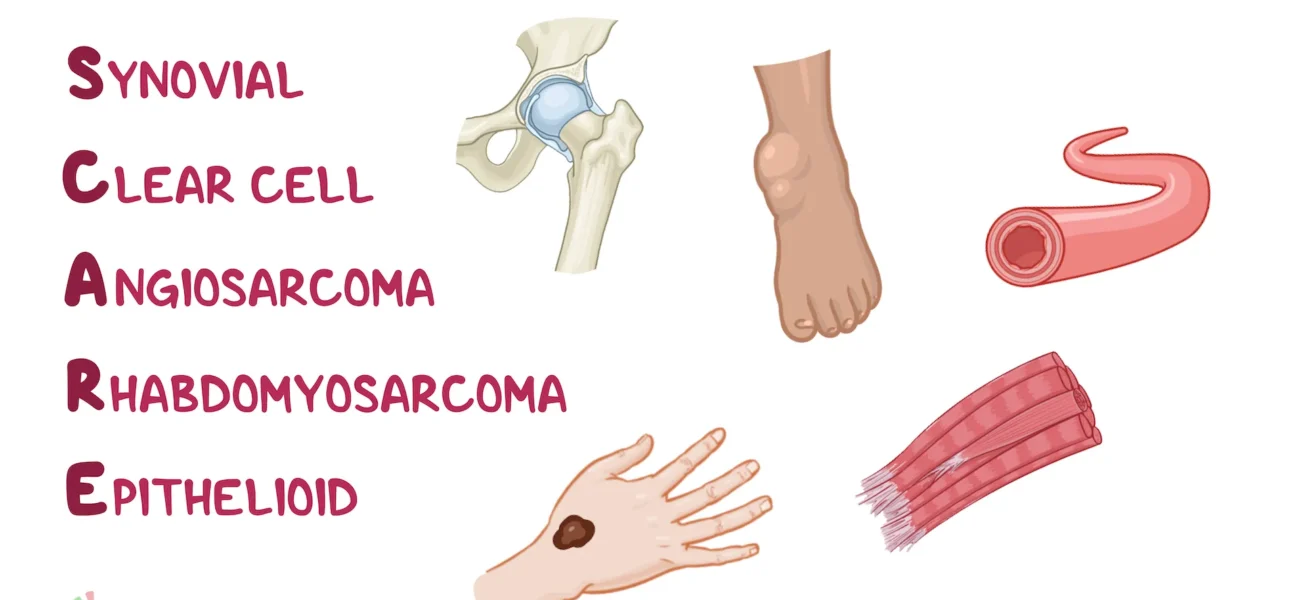
Cancer is an unpredictable and formidable disease, with many different types affecting various parts of the body. One particularly rare and aggressive form is Epithelioid Sarcoma (ES), a type of soft tissue sarcoma that can affect both young adults and older individuals. Despite being uncommon, it is critical to understand its characteristics, symptoms, diagnosis, and treatment options in order to improve the outcomes of those affected by this challenging disease.
Epithelioid sarcoma is a rare soft tissue sarcoma that arises from mesenchymal cells, which are the cells that form the connective tissues, including muscles, tendons, fat, and blood vessels. Unlike many other types of sarcomas, epithelioid sarcoma is distinguished by its characteristic epithelioid cells, which resemble epithelial cells (cells that line the surfaces and cavities of organs).
Epithelioid sarcoma typically begins in the soft tissues of the arms, legs, or trunk, but can also develop in deeper tissues, such as the internal organs, including the lungs and lymph nodes. Due to its tendency to grow slowly at first, many cases go undiagnosed until they reach an advanced stage.
Risk Factors and Causes
The precise cause of epithelioid sarcoma remains unknown, but researchers have identified certain factors that may increase the likelihood of developing this rare cancer. These include:
- Age: While epithelioid sarcoma can occur at any age, it is most commonly diagnosed in young adults, particularly those between 20 and 40 years old.
- Gender: Men are more likely to be diagnosed with epithelioid sarcoma than women.
- Genetic Factors: There may be an inherited genetic predisposition to developing certain types of sarcomas, including epithelioid sarcoma, although this has not been conclusively proven in all cases.
- Previous Cancer: In some rare cases, individuals who have been treated for other cancers may be at an increased risk of developing secondary cancers like epithelioid sarcoma.
Despite these identified risk factors, most cases of epithelioid sarcoma arise sporadically, with no clear cause or genetic link.
Symptoms of Epithelioid Sarcoma
Epithelioid sarcoma is notoriously difficult to diagnose early due to its slow progression and vague symptoms. Early signs may mimic less serious conditions, leading to delays in diagnosis. Common symptoms of epithelioid sarcoma include:
- Painless lump or mass: The most common initial sign of epithelioid sarcoma is a painless mass or swelling that may appear on the arm, leg, or trunk. This mass can gradually grow larger over time.
- Pain or tenderness: As the tumor grows, it may cause pain or discomfort, especially if it compresses nearby nerves or tissues.
- Skin changes: In some cases, the skin over the tumor may become discolored, ulcerated, or tender.
- Difficulty with movement: If the tumor is near a joint or in the deep tissues, it can restrict movement or function in the affected area.
- Lymph node involvement: As epithelioid sarcoma spreads, it may affect nearby lymph nodes, causing them to swell and become tender.
Because these symptoms can be associated with a wide range of conditions, doctors may initially misdiagnose the disease, contributing to delays in receiving the proper treatment.
How Is Epithelioid Sarcoma Diagnosed?
Diagnosing epithelioid sarcoma requires a combination of clinical evaluation, imaging studies, and biopsy. The process usually includes:
- Physical Exam: The physician will assess the size, location, and characteristics of any lumps or masses.
- Imaging Tests: X-rays, CT scans, and MRI scans are used to examine the tumor’s size, depth, and involvement with surrounding tissues and organs.
- Biopsy: The most definitive diagnostic tool for epithelioid sarcoma is a biopsy, where a small tissue sample is taken from the tumor for microscopic examination. Immunohistochemical staining is often used to differentiate epithelioid sarcoma from other types of sarcomas.
- Genetic Testing: In some cases, genetic tests may be performed to identify specific mutations or markers that could help confirm the diagnosis.
Because epithelioid sarcoma can resemble other soft tissue tumors, a comprehensive diagnostic approach is essential to ensure an accurate diagnosis.
Treatment Options for Epithelioid Sarcoma
The treatment of epithelioid sarcoma typically involves a combination of surgery, radiation therapy, and chemotherapy. The specific treatment plan depends on the tumor’s size, location, stage, and whether it has spread to other parts of the body.
1. Surgery
Surgical removal of the tumor is the primary treatment for localized epithelioid sarcoma. The goal of surgery is to excise the tumor completely while preserving as much function as possible in the affected limb or organ. In some cases, amputation may be necessary if the tumor is located in an area where complete removal is not feasible.
2. Radiation Therapy
Radiation therapy may be used either as an adjunct to surgery (to eliminate any remaining cancer cells) or as the primary treatment when surgery is not an option. Radiation can help shrink tumors and reduce the likelihood of recurrence.
3. Chemotherapy
Chemotherapy is often employed for advanced cases of epithelioid sarcoma, especially when the cancer has spread to other parts of the body (metastasized). Chemotherapy drugs can help shrink tumors and manage metastatic disease, but they may not always be as effective in treating soft tissue sarcomas as in other cancers.
4. Targeted Therapy and Immunotherapy
Emerging treatments such as targeted therapies and immunotherapy are currently being explored in clinical trials for patients with epithelioid sarcoma. These therapies aim to specifically target cancer cells while minimizing damage to healthy tissue, offering the potential for more effective treatment with fewer side effects.
Prognosis and Outlook
The prognosis for individuals with epithelioid sarcoma depends on various factors, including the tumor’s stage, location, and whether it has spread to other parts of the body. Early-stage epithelioid sarcoma, where the tumor has not metastasized, has a relatively better prognosis with appropriate treatment.
However, metastatic epithelioid sarcoma can be more challenging to treat, and the cancer may recur even after initial treatment. Overall, the 5-year survival rate for epithelioid sarcoma varies, but it tends to be lower than for many other types of soft tissue sarcomas due to its aggressive nature.
Living with Epithelioid Sarcoma
Epithelioid sarcoma is a rare and challenging cancer, but with advances in early detection, treatment techniques, and ongoing research, patients have access to better management strategies than ever before. Support groups, counseling, and rehabilitation programs can provide significant emotional and physical support for those affected by this condition.
Early detection and prompt, aggressive treatment are crucial in improving outcomes, so individuals experiencing symptoms like unexplained masses or pain should seek medical attention as soon as possible.
Conclusion
Though rare, epithelioid sarcoma is a serious and aggressive form of cancer that requires timely diagnosis and treatment. While the prognosis can be challenging, continued advancements in medical research and therapy offer hope for improved survival and quality of life for those affected by this rare disease. If you or someone you know is dealing with epithelioid sarcoma, it’s important to consult with a specialized oncologist who can guide you through the treatment options and provide support throughout the journey.
The list of some Epithelioid Sarcoma medicine: