Tardive dyskinesia (TD) is a complex neurological disorder characterized by involuntary, repetitive body movements. It is most often a side effect of long-term use of certain medications, particularly antipsychotics and other drugs that affect the brain’s dopamine system. Though it can significantly impact quality of life, increased awareness and early management can help individuals cope with the symptoms and improve their daily functioning.
In this blog, we’ll delve into what tardive dyskinesia is, why it happens, how it is diagnosed, and what treatment options are available.
Tardive dyskinesia is a movement disorder involving sudden, uncontrollable, and repetitive movements of the face, tongue, lips, trunk, and limbs. The term “tardive” means delayed, and “dyskinesia” refers to abnormal movement. This condition typically appears after months or years of using dopamine-blocking medications.
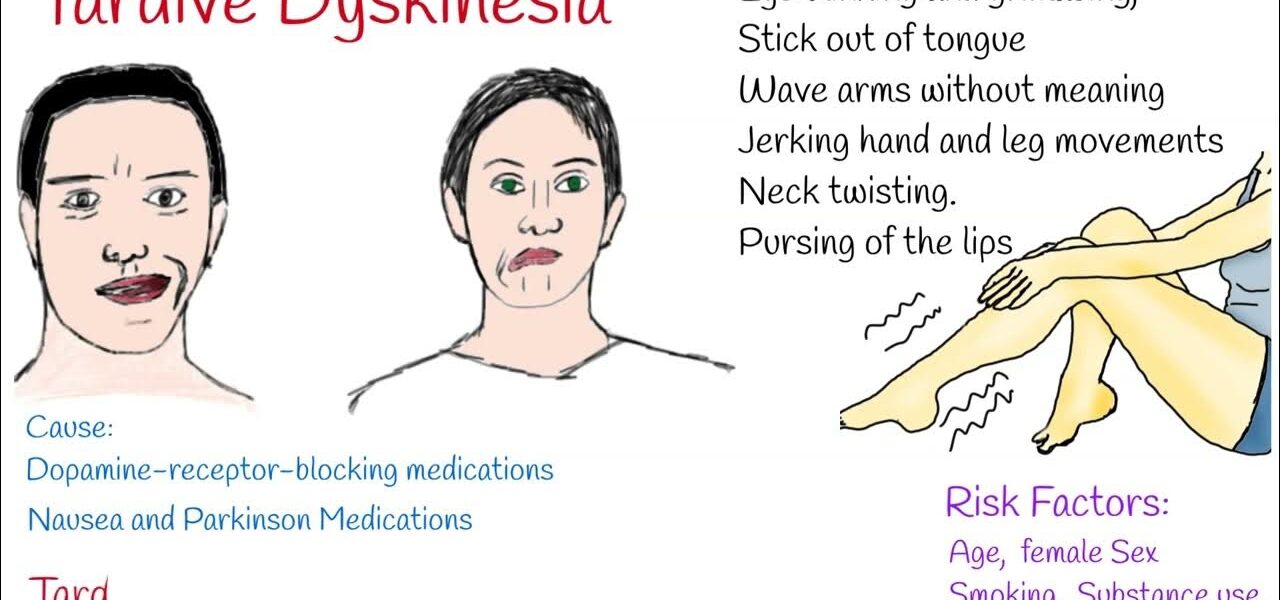
The movements associated with TD can be mild or severe and may include:
- Grimacing or frowning
- Rapid blinking or eye movements
- Lip smacking, puckering, or chewing motions
- Tongue protrusion
- Jerky or writhing movements of the arms, legs, or torso
Although TD is most often linked to antipsychotic medications, it can also occur with the use of certain anti-nausea drugs.
Causes and Risk Factors
The primary cause of tardive dyskinesia is prolonged exposure to medications that block dopamine receptors in the brain. Dopamine is a chemical messenger involved in controlling movement and emotions. When its normal function is disrupted over time, it can lead to the abnormal movements seen in TD.
Common medications associated with TD include:
- First-generation (typical) antipsychotics such as haloperidol and chlorpromazine
- Second-generation (atypical) antipsychotics like risperidone and olanzapine (though the risk is lower)
- Anti-nausea drugs such as metoclopramide and prochlorperazine
Risk factors that increase the likelihood of developing TD include:
- Long-term use of dopamine-blocking medications
- Higher medication doses
- Older age
- Female gender
- Having diabetes
- A history of mood disorders such as depression or bipolar disorder
However, TD can develop even after relatively short-term medication use or at low doses in some individuals.
Symptoms of Tardive Dyskinesia
The hallmark of TD is involuntary movement, but the specific symptoms can vary widely:
- Facial Movements: Grimacing, rapid eye blinking, tongue movements, and lip smacking
- Limb Movements: Jerky, dance-like movements in the arms, legs, or fingers
- Trunk Movements: Swaying or twisting of the torso
- Speech and Breathing: Some individuals may experience difficulty speaking clearly or breathing due to throat or diaphragm involvement
These symptoms can range from barely noticeable to highly disruptive, interfering with daily activities, social interactions, and emotional well-being.
Diagnosing Tardive Dyskinesia
Diagnosis of TD is primarily clinical, meaning it is based on observing the symptoms and reviewing the patient’s medical and medication history. There is no specific laboratory test to confirm TD.
Doctors often use standardized rating scales, such as the Abnormal Involuntary Movement Scale (AIMS), to assess the severity and progression of symptoms.
Early detection is critical, as modifying or discontinuing the offending medication can sometimes halt the progression or even partially reverse the symptoms.
Treatment and Management
While there is no guaranteed cure for tardive dyskinesia, several strategies can help manage the condition:
1. Medication Adjustment
The first step often involves reassessing the need for the dopamine-blocking medication. A doctor may lower the dose, switch to a different drug with a lower risk of TD, or discontinue the medication altogether if possible. However, any changes must be made carefully to avoid worsening psychiatric symptoms.
2. Medications Specifically Approved for TD
Two medications have been specifically approved to treat tardive dyskinesia:
- Valbenazine (Ingrezza)
- Deutetrabenazine (Austedo)
Both drugs work by regulating dopamine levels in the brain and have been shown to reduce the severity of TD symptoms.
3. Supportive Therapies
Physical therapy, occupational therapy, and speech therapy can help individuals improve muscle control, maintain mobility, and manage speech or breathing difficulties.
4. Psychological Support
Living with TD can take an emotional toll. Counseling, support groups, and mental health support can help individuals cope with the social and psychological impacts of the disorder.
5. Lifestyle Modifications
While lifestyle changes cannot cure TD, maintaining overall health can help improve well-being. Strategies include:
- Regular exercise to enhance muscle strength and coordination
- Stress reduction techniques such as meditation or yoga
- Good nutrition to support overall brain and muscle health
Preventing Tardive Dyskinesia
The best way to prevent TD is to use dopamine-blocking medications only when absolutely necessary and at the lowest effective dose. Regular monitoring for early signs of TD in individuals on long-term antipsychotic therapy is crucial.
Before starting such medications, healthcare providers should discuss the potential risks and benefits with patients, and alternative treatments should be considered whenever possible.
Conclusion
Tardive dyskinesia is a serious and often misunderstood condition that can significantly affect a person’s life. However, early recognition and intervention can make a meaningful difference. Through careful management of medications, use of newly approved treatments, supportive therapies, and emotional support, individuals living with TD can achieve a better quality of life.
The list of some Tardive Dyskinesia medicine:
Tardivex