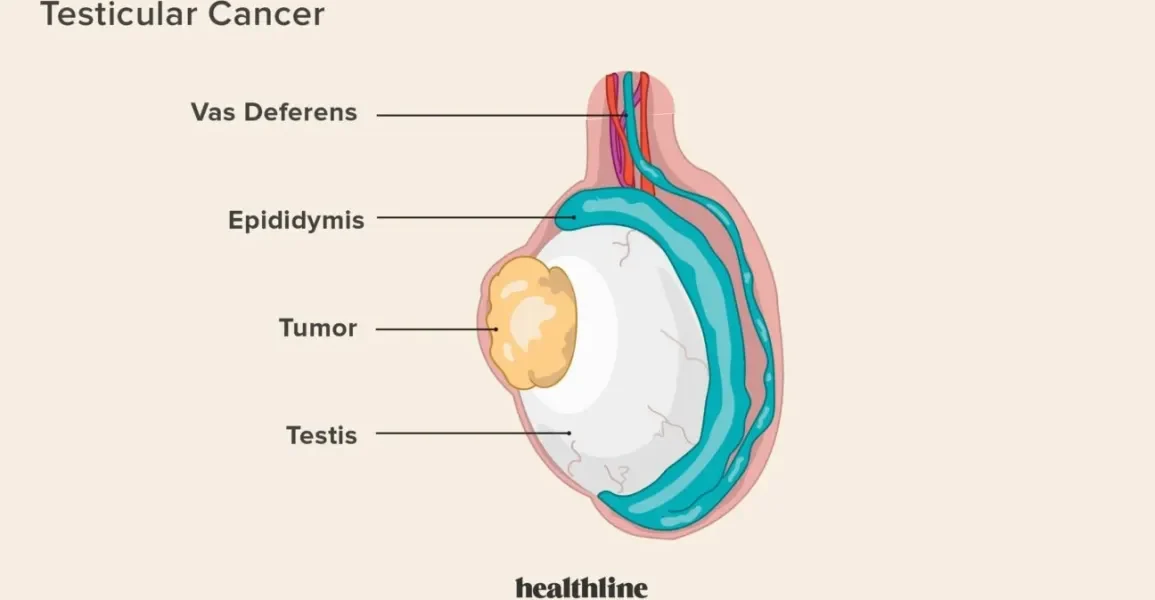
Testicular cancer is a disease in which malignant (cancer) cells form in the tissues of one or both testicles — the male reproductive glands located inside the scrotum. Although it is relatively rare compared to other types of cancer, it is the most common cancer diagnosed in young men aged 15 to 35 years. Thankfully, with early detection and appropriate treatment, testicular cancer is highly curable.
What Causes Testicular Cancer?
The exact cause of testicular cancer is not fully understood. However, several risk factors have been identified that may increase a man’s chances of developing the disease, including:
- Undescended testicle (cryptorchidism): Men whose testicles did not move down into the scrotum during fetal development are at higher risk.
- Family history: Having a father or brother who had testicular cancer increases your chances.
- Previous testicular cancer: Men who have had cancer in one testicle are at greater risk of developing it in the other.
- Abnormal testicular development: Conditions such as Klinefelter syndrome may increase risk.
- Race and ethnicity: Testicular cancer is more common in white men than in men of other races.
Despite these risk factors, many men diagnosed with testicular cancer have no known risk factors at all.
Symptoms of Testicular Cancer
Early-stage testicular cancer may not cause noticeable symptoms. When symptoms do appear, they may include:
- A lump or swelling in either testicle
- A feeling of heaviness in the scrotum
- A dull ache in the lower abdomen or groin
- Sudden collection of fluid in the scrotum
- Pain or discomfort in a testicle or the scrotum
- Enlargement or tenderness of the breasts (rare)
It’s important to note that not all lumps are cancerous. However, any unusual signs should be evaluated by a healthcare provider as early as possible.
How Is Testicular Cancer Diagnosed?
Diagnosis typically involves:
- Physical examination: A doctor will check for lumps, swelling, or tenderness in the testicles and groin.
- Ultrasound: This imaging test uses sound waves to create a picture of the testicles and can distinguish between solid tumors and fluid-filled cysts.
- Blood tests: Certain tumor markers (like AFP, hCG, and LDH) may be elevated in men with testicular cancer.
- Surgical removal (orchiectomy): In most cases, the entire affected testicle is removed and analyzed to confirm the diagnosis and identify the type of cancer.
Types of Testicular Cancer
Testicular cancer is mainly categorized into two types:
- Seminomas: These grow slowly and are sensitive to radiation therapy. They usually occur in men in their 30s and 40s.
- Non-seminomas: These tend to grow and spread more quickly and often occur earlier, usually in the late teens to early 30s.
Some tumors may contain both seminoma and non-seminoma cells.
Treatment Options
Treatment depends on the type and stage of cancer and often includes:
- Surgery: The primary treatment is usually the surgical removal of the affected testicle (radical inguinal orchiectomy). In some cases, nearby lymph nodes may also be removed.
- Radiation therapy: This treatment uses high-energy rays to kill cancer cells, particularly effective for seminomas.
- Chemotherapy: Drugs are used to kill cancer cells, often recommended if the cancer has spread beyond the testicle.
- Surveillance: In certain cases, especially early-stage cancers, careful monitoring without immediate further treatment may be an option after surgery.
With modern therapies, even men whose cancer has spread widely at diagnosis have a high chance of being cured.
Outlook and Survival Rates
Testicular cancer has one of the highest survival rates of all cancers. When caught early, the cure rate is over 95%. Even in more advanced stages, the majority of men respond well to treatment and go on to live healthy lives.
Regular follow-up appointments are critical after treatment, as testicular cancer can recur, particularly within the first few years.
Preventive Measures and Self-Exams
While there is no guaranteed way to prevent testicular cancer, performing regular testicular self-exams can help detect abnormalities early. Men should check their testicles monthly, feeling for any lumps, swelling, or changes.
Any unusual findings should be reported to a healthcare provider promptly for further evaluation.
Conclusion
Testicular cancer is highly treatable, especially when detected early. Raising awareness about the symptoms and encouraging regular self-examinations can save lives. Men should feel empowered to seek medical advice without delay if they notice any changes. With early intervention and modern treatments, the prognosis for testicular cancer remains overwhelmingly positive.
The list of some Testicular Cancer medicine:
Platinex
Neoplat
Cisplat
Cesalin
Ariplat
Cistor
Etopor
Amiget
LASTET
Etosid
Etopex
Ethyol
Cipintu