The body’s ability to regulate the number of platelets in the blood is crucial for maintaining overall health. Platelets play a key role in blood clotting, preventing excessive bleeding when we get injured. However, when platelet production goes awry and the body produces too many platelets, a condition known as thrombocythemia can develop. Though rare, this condition can have significant health implications if left untreated.
Thrombocythemia, also known as essential thrombocythemia (ET), is a blood disorder characterized by the overproduction of platelets by the bone marrow. While platelets are essential for clotting, too many of them can lead to an increased risk of blood clot formation or bleeding problems.
There are two main types of thrombocythemia:
- Primary (Essential) Thrombocythemia: This is a rare, chronic condition where the bone marrow produces too many platelets without a clear cause, typically due to a genetic mutation.
- Secondary Thrombocythemia: This occurs as a result of another condition, such as an infection, inflammation, or iron deficiency, leading to an increase in platelet count.
What Causes Thrombocythemia?
In essential thrombocythemia, the exact cause is often unknown. However, it is linked to mutations in specific genes, such as the JAK2 gene, which are associated with increased platelet production. Secondary thrombocythemia, on the other hand, arises due to external factors like:
- Chronic inflammation
- Iron deficiency anemia
- Infections
- Cancer
- Recent surgery or trauma
While secondary thrombocythemia resolves once the underlying condition is treated, essential thrombocythemia typically requires long-term management.
Symptoms of Thrombocythemia
Thrombocythemia may be asymptomatic in some individuals, particularly in the early stages. However, as the platelet count rises, symptoms can develop. Common signs and symptoms of thrombocythemia include:
- Frequent headaches
- Dizziness or lightheadedness
- Chest pain
- Numbness or tingling in the hands and feet
- Vision changes
- Fatigue
- Easy bruising or bleeding, such as nosebleeds or gum bleeding
- Splenomegaly (enlarged spleen) in some cases
In severe cases, the risk of blood clots forming increases, which can lead to complications such as:
- Stroke
- Heart attack
- Deep vein thrombosis (DVT)
- Pulmonary embolism
Diagnosing Thrombocythemia
Diagnosing thrombocythemia involves a combination of medical history, physical examination, and laboratory tests, including:
- Blood Tests: These are used to measure platelet count and other blood parameters. An elevated platelet count (above 450,000 platelets per microliter) is indicative of thrombocythemia.
- Bone Marrow Biopsy: A biopsy may be performed to examine the bone marrow and identify any abnormalities or overproduction of platelets.
- Genetic Testing: Tests for mutations in the JAK2 gene, as well as other genes associated with platelet production, help confirm a diagnosis of essential thrombocythemia.
- Other Tests: Additional tests may be done to rule out secondary causes, such as infections or anemia.
Treatment Options for Thrombocythemia
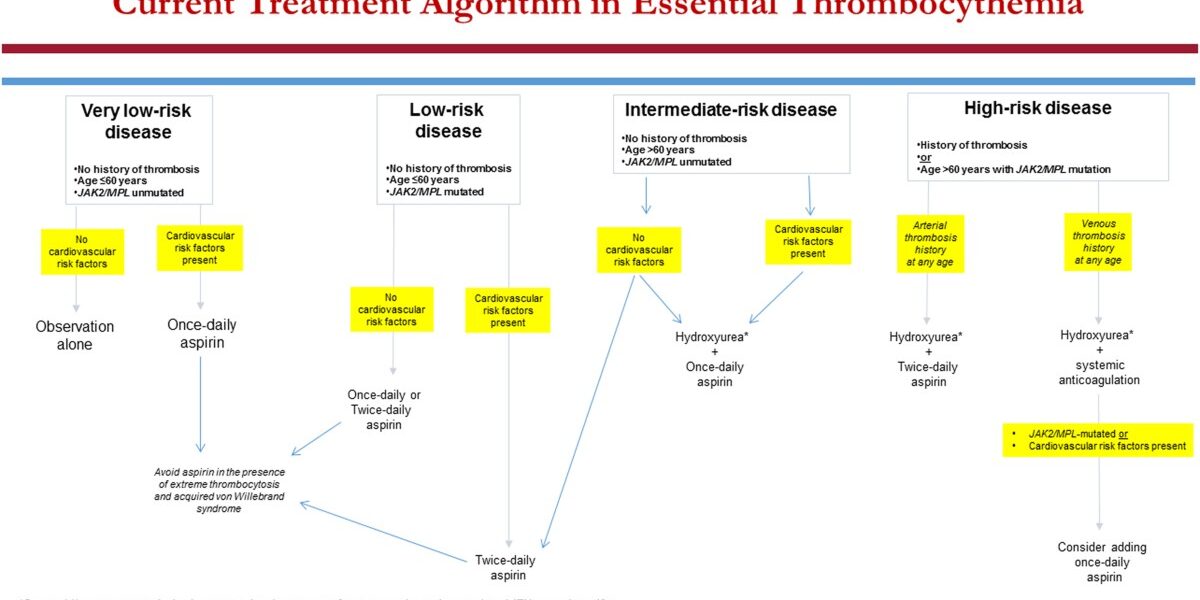
The goal of treatment for thrombocythemia is to reduce the risk of blood clots and manage symptoms. The treatment approach will vary depending on the type of thrombocythemia and the patient’s overall health.
1. Medications
- Aspirin: Low-dose aspirin is often used to reduce the risk of blood clots by making platelets less sticky.
- Hydroxyurea: A chemotherapy drug that reduces the production of blood cells, including platelets.
- Interferon-alpha: Used to regulate the bone marrow’s platelet production.
- Anagrelide: A medication specifically used to lower platelet count by inhibiting platelet production.
2. Blood Thinning Medications
- Anticoagulants, such as warfarin or newer blood thinners, may be prescribed if there is a high risk of clotting.
3. Plateletpheresis
- In severe cases, a procedure called plateletpheresis may be used to remove excess platelets from the bloodstream.
4. Managing Underlying Conditions
- If thrombocythemia is secondary to another condition (like iron deficiency or an infection), treating the underlying issue will often reduce the elevated platelet count.
Living with Thrombocythemia
Living with thrombocythemia requires careful management to minimize complications. Regular follow-up appointments with a healthcare provider are essential to monitor platelet levels and adjust treatment. Lifestyle adjustments, such as avoiding smoking (which increases clotting risk) and staying active, can also help manage the condition.
Patients with thrombocythemia should be mindful of signs of clotting or bleeding complications, such as sudden chest pain, shortness of breath, or prolonged bleeding. Seeking immediate medical attention in such cases is critical.
Prognosis and Outlook
With proper treatment, many individuals with essential thrombocythemia can live relatively normal lives. The prognosis depends on various factors, including the severity of symptoms and how well the condition is managed. In general, if blood clotting complications are avoided, the life expectancy is not significantly affected. However, regular monitoring is essential to prevent potential complications like stroke or heart attack.
Conclusion
Thrombocythemia, though relatively rare, is a significant condition that requires attention and management. Whether caused by genetic mutations in essential thrombocythemia or secondary to other health issues, the overproduction of platelets can pose serious health risks. With early diagnosis, careful treatment, and ongoing medical care, individuals with thrombocythemia can live fulfilling lives while minimizing complications. If you experience symptoms like frequent headaches, unexplained bleeding, or dizziness, consult a healthcare provider for evaluation.
The list of Thrombocythemia medicine:
LuciAnagre