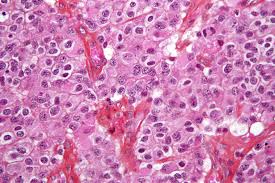
Brain tumors come in many forms, and among the rarer types is a tumor called oligodendroglioma. Although it represents only a small fraction of brain tumors, understanding this condition is important for early diagnosis, effective treatment, and informed management.
In this blog, we’ll dive into what oligodendroglioma is, its causes, symptoms, how it’s diagnosed, treatment options, and what patients can expect after a diagnosis.
Oligodendroglioma is a type of brain tumor that arises from oligodendrocytes—the cells that create the protective myelin sheath covering nerve fibers in the central nervous system. These tumors are classified as gliomas because they originate from glial cells, which support and protect neurons.
Oligodendrogliomas are generally slow-growing, but they can vary in aggressiveness. The World Health Organization (WHO) classifies them into two grades:
- Grade II (Low-grade oligodendroglioma): Tends to grow slowly and may not cause immediate severe symptoms.
- Grade III (Anaplastic oligodendroglioma): A more aggressive form that grows and spreads more quickly.
Despite their slow growth, these tumors require careful monitoring and treatment because they can eventually become more aggressive.
Causes and Risk Factors
The exact cause of oligodendroglioma is unknown, but researchers have identified specific genetic mutations associated with the disease:
- IDH mutation: Most oligodendrogliomas have a mutation in the IDH1 or IDH2 gene, which is a favorable prognostic marker.
- 1p/19q co-deletion: This refers to the loss of parts of chromosomes 1 and 19. It is considered a hallmark of oligodendroglioma and indicates a better response to treatment and a more favorable prognosis.
There are no clear environmental or lifestyle risk factors linked to the development of oligodendroglioma, although having a family history of gliomas may slightly increase the risk.
Symptoms of Oligodendroglioma
Symptoms of oligodendroglioma depend on the tumor’s size and location in the brain. Common signs and symptoms include:
- Seizures: Often the first and most common symptom. Many patients are diagnosed after experiencing a seizure.
- Headaches: Persistent or worsening headaches, especially those that are worse in the morning or during physical activity.
- Cognitive and personality changes: Including memory problems, confusion, or changes in behavior and mood.
- Weakness or numbness: Particularly if the tumor affects areas of the brain that control motor skills.
- Speech difficulties: Trouble finding words or speaking fluently if the tumor is near language centers of the brain.
Because these symptoms can mimic many other neurological conditions, imaging tests are crucial for diagnosis.
How is Oligodendroglioma Diagnosed?
Diagnosis typically involves several steps:
- Neurological exam: To assess vision, hearing, balance, coordination, strength, and reflexes.
- Imaging tests: MRI is the most common and detailed imaging tool used to visualize brain tumors. CT scans may also be used.
- Biopsy: A sample of the tumor may be taken either through surgery or a needle procedure. A pathologist examines the tissue under a microscope and tests for genetic markers like IDH mutation and 1p/19q co-deletion.
- Molecular testing: This helps confirm the diagnosis and guide treatment plans.
Accurate diagnosis is vital because treatment strategies vary depending on the tumor’s genetic characteristics.
Treatment Options for Oligodendroglioma
Treatment depends on several factors, including the tumor’s size, location, growth rate, genetic features, and the patient’s overall health.
Surgery
- Goal: Remove as much of the tumor as safely possible without damaging vital brain functions.
- Surgery is often the first step, and complete removal can lead to a long period without tumor regrowth in low-grade cases.
Radiation Therapy
- Used after surgery to kill any remaining tumor cells, especially in higher-grade tumors or when the tumor cannot be fully removed.
Chemotherapy
- Often used alongside radiation or after recurrence.
- Drugs like temozolomide or the combination therapy PCV (procarbazine, lomustine, vincristine) are common choices.
- Tumors with the 1p/19q co-deletion typically respond better to chemotherapy.
Monitoring (Watchful Waiting)
- In cases of small, asymptomatic, slow-growing tumors, doctors may recommend regular MRI scans instead of immediate treatment.
Prognosis and Life After Diagnosis
The prognosis for individuals with oligodendroglioma varies. Factors that suggest a better outcome include:
- Presence of an IDH mutation
- 1p/19q co-deletion
- Younger age at diagnosis
- Low tumor grade
With appropriate treatment, many patients live for many years after diagnosis. However, because the tumor can recur or transform into a more aggressive form, lifelong monitoring is necessary.
Supportive care, including physical therapy, occupational therapy, and counseling, can also greatly enhance quality of life.
Conclusion
Oligodendroglioma, though rare, is a brain tumor with a relatively favorable prognosis compared to many other brain cancers—especially when associated with specific genetic markers. Early diagnosis, personalized treatment plans, and close follow-up are key to managing the disease effectively.
The list of some Oligodendroglioma medicine:
Lucivora