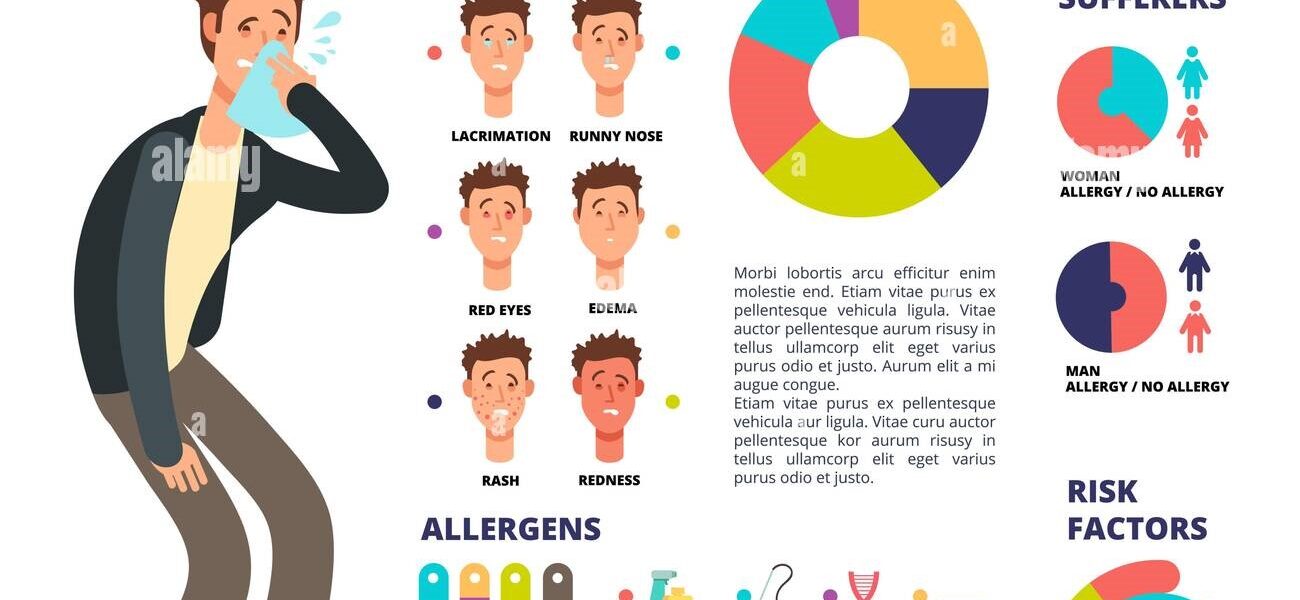
Allergic disorders are conditions caused by an overreaction of the immune system to substances that are usually harmless. These substances, known as allergens, can include pollen, dust mites, pet dander, certain foods, insect stings, or medications. When the body identifies an allergen as a threat, it triggers an immune response, leading to a variety of symptoms that can range from mild discomfort to severe, life-threatening reactions.
Millions of people worldwide live with allergic disorders, and their prevalence has been steadily increasing over the past few decades.
What Causes Allergic Reactions?
An allergic reaction begins when the immune system mistakenly identifies a harmless substance as dangerous. In response, the body produces antibodies called Immunoglobulin E (IgE). These antibodies attach to certain cells that release chemicals like histamine when the allergen is encountered again, causing symptoms associated with allergies.
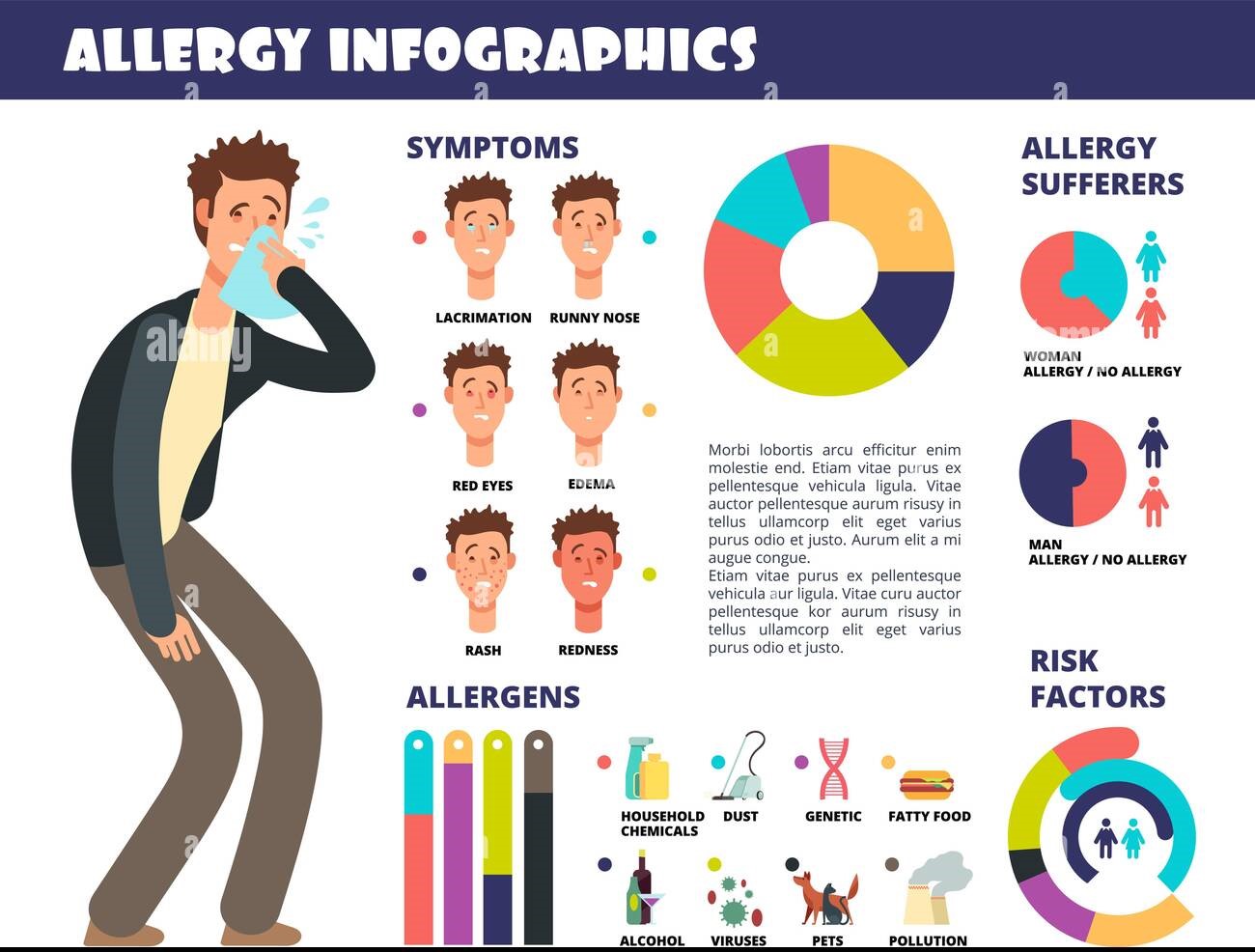
Genetics plays a major role — people with a family history of allergies are more likely to develop them. Environmental factors, such as exposure to allergens at an early age or living in urban settings, can also contribute.
Common Types of Allergic Disorders
There are several forms of allergic disorders, each affecting the body differently:
Allergic Rhinitis (Hay Fever)
- Triggered by airborne allergens like pollen, dust, or animal dander.
- Symptoms include sneezing, runny or blocked nose, itchy eyes, and throat irritation.
Asthma
- Often linked to allergies, asthma causes the airways to become inflamed and narrow.
- Symptoms involve wheezing, coughing, chest tightness, and shortness of breath.
Atopic Dermatitis (Eczema)
- A skin condition frequently associated with allergies.
- Symptoms include dry, itchy, inflamed, or cracked skin, often appearing in childhood.
Food Allergies
- Immune reactions to specific foods such as peanuts, shellfish, milk, or eggs.
- Can cause hives, swelling, gastrointestinal symptoms, or even anaphylaxis.
Drug Allergies
- Allergic reactions to medications, including antibiotics or pain relievers.
- Symptoms can vary from mild rashes to severe anaphylactic shock.
Insect Sting Allergies
- Reactions to stings from bees, wasps, or ants.
- May cause localized swelling or more serious systemic reactions.
Symptoms of Allergic Disorders
The symptoms vary based on the type of allergy and the severity of the reaction. Common symptoms include:
- Sneezing and nasal congestion
- Itchy or watery eyes
- Skin rashes or hives
- Difficulty breathing
- Swelling of the face, lips, or throat
- Digestive issues like nausea or diarrhea
- Severe reactions (anaphylaxis) involving low blood pressure, fainting, and airway constriction
Diagnosing Allergies
To identify the cause of allergic symptoms, healthcare providers often use:
- Medical history and physical examination
- Skin prick tests, where small amounts of allergens are introduced to the skin to check for a reaction
- Blood tests to measure specific IgE levels against suspected allergens
- Elimination diets in the case of food allergies
Accurate diagnosis is important to avoid unnecessary restrictions and ensure proper management.
Treatment and Management
While there is no cure for allergic disorders, several strategies can help control symptoms:
Avoidance
- The best way to prevent allergic reactions is to avoid known allergens.
Medications
- Antihistamines relieve sneezing and itching.
- Decongestants reduce nasal congestion.
- Corticosteroids lessen inflammation in nasal passages or skin.
- Epinephrine injections (EpiPen) are used in emergency situations like anaphylaxis.
Immunotherapy
- Also known as allergy shots or sublingual tablets, immunotherapy helps desensitize the immune system over time to specific allergens.
Lifestyle Adjustments
- Keeping windows closed during high pollen seasons
- Using air purifiers at home
- Frequent cleaning to minimize dust mites and mold exposure
- Choosing hypoallergenic products
Preventing Allergies
Although it is difficult to prevent allergic disorders entirely, certain steps may reduce the risk, especially in children:
- Breastfeeding infants for at least six months
- Introducing allergenic foods early under pediatric supervision
- Avoiding unnecessary antibiotic use
- Maintaining a clean but not overly sterile home environment
Final Thoughts
Allergic disorders are complex conditions that can impact daily life significantly. Understanding your triggers, seeking proper diagnosis, and following a tailored management plan can greatly improve your quality of life. With new treatments and research advancements, people with allergies have more options than ever to live comfortably and safely.
If you suspect you have an allergy, consulting a healthcare professional can be the first step toward effective control and a healthier future.
The list of some Allergic Disorder medicine:
Artropan