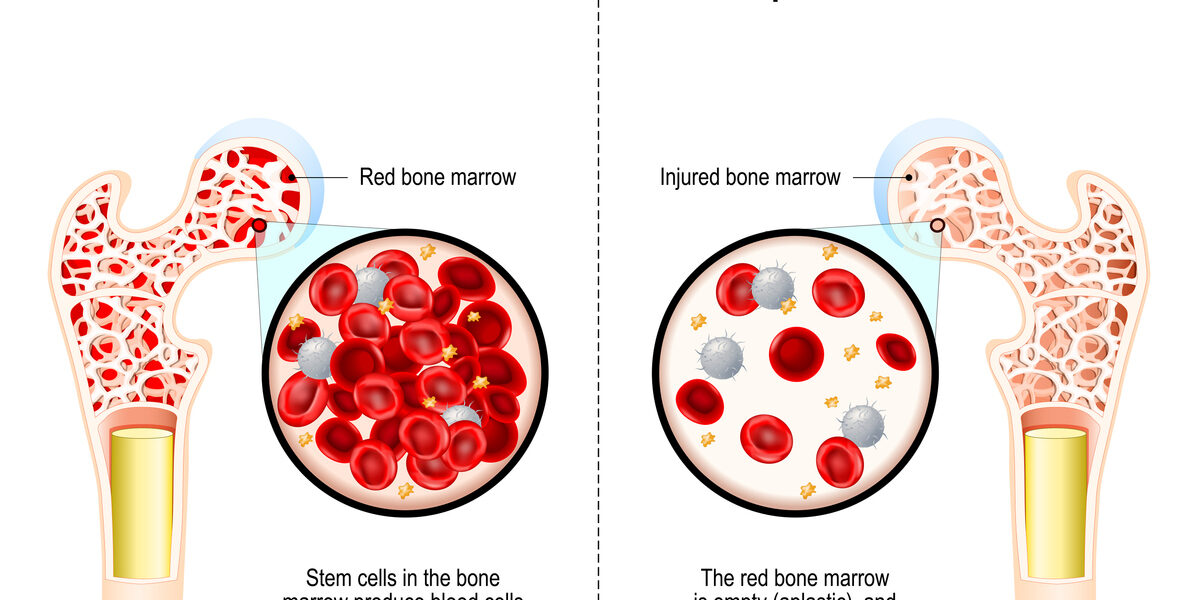
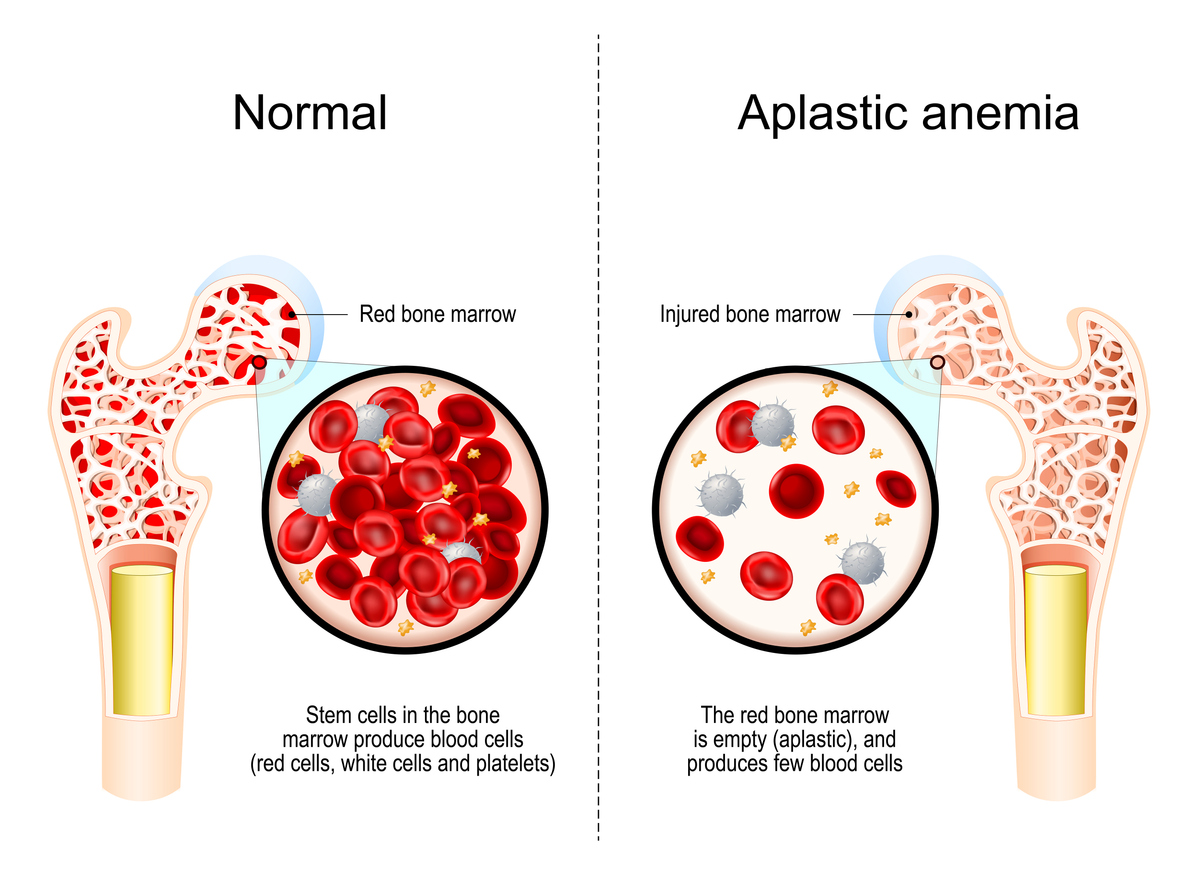
Aplastic anemia is a rare but serious condition in which the bone marrow fails to produce enough blood cells — red blood cells, white blood cells, and platelets. This results in a shortage of the body’s essential blood components, leading to a range of health problems that can be both debilitating and life-threatening if left untreated.
In this blog, we’ll explore the causes, symptoms, diagnosis, and treatment options for aplastic anemia, shedding light on how this condition impacts individuals and their quality of life.
Aplastic anemia occurs when the bone marrow, which is responsible for producing blood cells, becomes damaged or fails to function properly. As a result, the production of red blood cells (which carry oxygen), white blood cells (which fight infection), and platelets (which help blood clot) is severely reduced.
This leads to a decrease in the number of blood cells circulating in the body, causing a variety of symptoms and putting individuals at risk for infections, excessive bleeding, and organ damage.
Causes of Aplastic Anemia
The exact cause of aplastic anemia isn’t always clear, but there are several factors that may contribute:
1. Autoimmune Response
In many cases, the immune system mistakenly attacks and destroys the stem cells in the bone marrow, preventing it from producing blood cells. This is called idiopathic aplastic anemia, meaning the cause is unknown.
2. Exposure to Toxins
Chemicals, such as those found in pesticides, industrial solvents, or certain medications (like chemotherapy drugs), can damage the bone marrow and lead to aplastic anemia.
3. Infections
Certain viral infections, such as hepatitis, Epstein-Barr virus, and HIV, can trigger aplastic anemia. In some cases, viral infections cause the immune system to attack the bone marrow.
4. Genetic Conditions
Inherited conditions such as Fanconi anemia or Diamond-Blackfan anemia can cause aplastic anemia. These conditions are rare but are characterized by defects in DNA repair or other genetic abnormalities.
5. Radiation Exposure
High levels of radiation, such as those from cancer treatments, can damage the bone marrow and cause aplastic anemia.
6. Medications
Certain drugs, especially those used to treat cancer, antibiotics, and anti-inflammatory drugs, can trigger aplastic anemia as a side effect.
Symptoms of Aplastic Anemia
The symptoms of aplastic anemia can range from mild to severe and often develop gradually. Common symptoms include:
- Fatigue: One of the most noticeable symptoms due to a lack of red blood cells.
- Paleness or Jaundice: A decrease in red blood cells can cause paleness, and damage to the liver can result in jaundice (yellowing of the skin and eyes).
- Infections: Low white blood cell counts leave the body more vulnerable to infections.
- Easy Bruising or Bleeding: A shortage of platelets can cause excessive bruising, nosebleeds, gum bleeding, or prolonged bleeding after minor cuts.
- Shortness of Breath: Due to reduced oxygen-carrying red blood cells, individuals may feel breathless, especially during physical exertion.
- Headaches or Dizziness: A lack of oxygen can lead to dizziness, headaches, or fainting spells.
The severity of symptoms depends on the degree of bone marrow failure and the type of blood cells that are most affected.
Diagnosis of Aplastic Anemia
If aplastic anemia is suspected, doctors will perform several tests to confirm the diagnosis, including:
- Blood Tests: A complete blood count (CBC) will show low levels of red blood cells, white blood cells, and platelets.
- Bone Marrow Biopsy: A sample of bone marrow is taken to evaluate its function and the number of blood-forming cells.
- Additional Tests: In some cases, genetic tests, viral tests, or imaging studies are used to identify the underlying cause of the condition.
Treatment Options for Aplastic Anemia
Treatment for aplastic anemia varies depending on the severity of the condition and the underlying cause. In mild cases, treatment may focus on managing symptoms, while severe cases may require more aggressive approaches:
1. Bone Marrow Transplant (Stem Cell Transplant)
For many individuals with severe aplastic anemia, a bone marrow transplant — also known as a stem cell transplant — may be the best option. This involves replacing the damaged bone marrow with healthy stem cells from a donor (either a sibling or an unrelated donor). A successful transplant can restore normal blood cell production.
2. Immunosuppressive Therapy
In cases where the immune system is attacking the bone marrow, immunosuppressive therapy may be used to suppress the immune system’s activity. This treatment typically includes medications like antithymocyte globulin (ATG) and cyclosporine.
3. Blood Transfusions
Individuals with severe aplastic anemia may need blood transfusions to increase the number of red blood cells and platelets, helping to alleviate symptoms such as fatigue, anemia, and bleeding.
4. Growth Factors and Medications
Medications such as erythropoietin (to stimulate red blood cell production) or granulocyte colony-stimulating factor (G-CSF) (to boost white blood cell production) may be used to stimulate bone marrow activity in some patients.
5. Treatment of Underlying Causes
If aplastic anemia is caused by an infection or medication, treating the underlying condition may help improve bone marrow function.
Living with Aplastic Anemia
Living with aplastic anemia requires ongoing medical care, including regular blood tests, possible transfusions, and follow-up appointments with healthcare providers. Patients may also need to take precautions to avoid infections and manage bleeding risks.
With the right treatment and care, many people with aplastic anemia can lead active, fulfilling lives. However, the condition can be life-threatening if left untreated, so early diagnosis and treatment are crucial.
Conclusion
Aplastic anemia is a rare but serious condition that can have a significant impact on a person’s health and quality of life. Although it can be challenging to manage, there are effective treatments available, including bone marrow transplants and immunosuppressive therapy. With early detection, proper medical care, and lifestyle adjustments, individuals with aplastic anemia can improve their outcomes and live longer, healthier lives.
The list of some Aplastic anemia medicine:
Thymogam