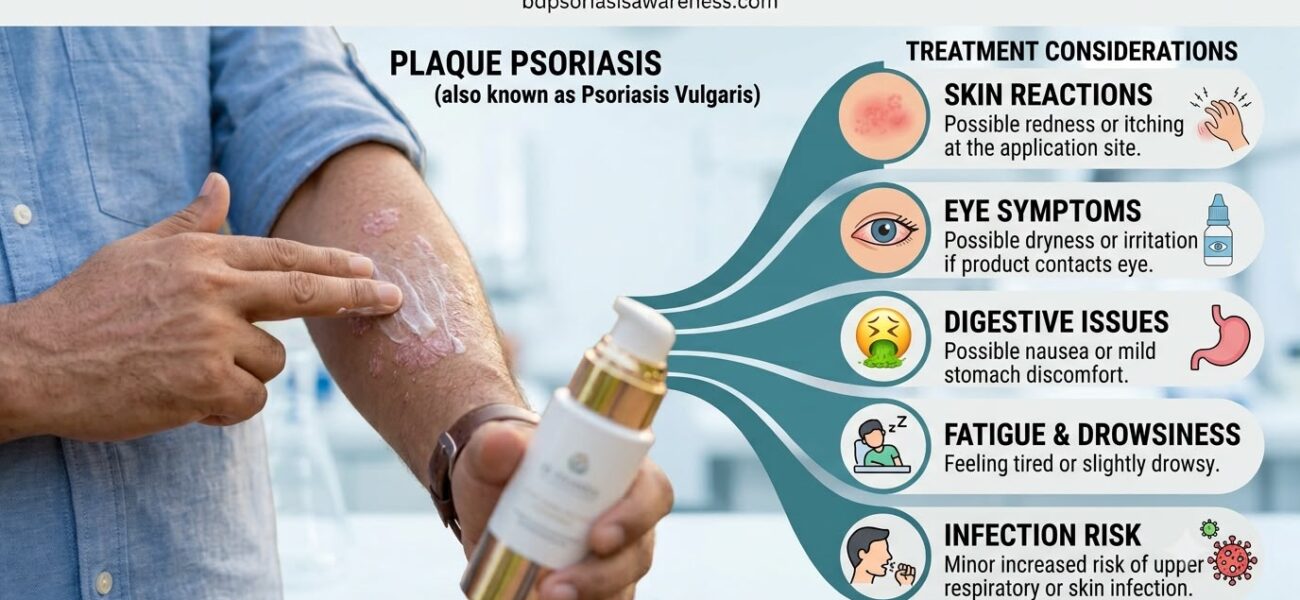
Plaque psoriasis is a chronic autoimmune skin disease characterized by the rapid buildup of skin cells, resulting in thick, raised, red patches covered with silvery-white scales. It is the most common form of psoriasis and occurs when the immune system mistakenly attacks healthy skin cells, causing inflammation and accelerated skin cell production.
Plaque psoriasis commonly affects the scalp, elbows, knees, lower back, hands, and feet, but it can occur anywhere on the body. Although it is a lifelong condition with no permanent cure, early diagnosis and appropriate treatment can effectively control symptoms, reduce flare-ups, improve skin appearance, and enhance quality of life.
Symptoms
The symptoms of plaque psoriasis vary from person to person. Common symptoms may include:
- Thick, raised red patches (plaques) covered with silvery-white scales
- Dry, cracked skin that may bleed
- Itching, burning, or soreness
- Flaking or scaling of the scalp
- Thickened, pitted, or discolored nails
- Painful skin cracks
- Skin redness and inflammation
- Joint pain or stiffness (psoriatic arthritis)
- Plaques on the elbows, knees, scalp, lower back, hands, or feet
- Flare-ups followed by periods of remission
Causes
Plaque psoriasis develops due to several factors.
Immune System Dysfunction
Plaque psoriasis is an autoimmune disorder in which the immune system mistakenly attacks healthy skin cells. This causes skin cells to multiply much faster than normal, leading to inflammation and the formation of thick plaques.
Genetic Factors
A family history of psoriasis increases the risk of developing the disease. Multiple genes involved in immune system regulation contribute to its development.
Types of Psoriasis
Common types include:
- Plaque psoriasis
- Guttate psoriasis
- Inverse psoriasis
- Pustular psoriasis
- Erythrodermic psoriasis
- Nail psoriasis
- Scalp psoriasis
- Psoriatic arthritis
Other
Additional contributing factors include:
- Chronic autoimmune inflammation
- Overactive immune response
- Genetic predisposition
- Skin injury (Koebner phenomenon)
- Infections, especially streptococcal throat infections
- Stress
- Cold and dry weather
- Smoking
- Excessive alcohol consumption
- Certain medications (such as lithium, beta-blockers, and antimalarial drugs)
Risk Factors
Factors that may increase the risk of plaque psoriasis include:
- Family history of psoriasis
- Autoimmune disorders
- Obesity
- Smoking
- Heavy alcohol consumption
- Chronic stress
- Recurrent infections
- Certain medications
- Skin trauma or injury
- Weakened immune system
Prevention
Although plaque psoriasis cannot be completely prevented, the following measures may help reduce flare-ups and improve disease control:
- Maintain a healthy body weight.
- Avoid smoking and excessive alcohol consumption.
- Manage stress through relaxation techniques and regular exercise.
- Keep the skin moisturized to reduce dryness and irritation.
- Avoid known personal triggers whenever possible.
- Treat infections promptly.
- Follow prescribed medications consistently.
- Attend regular follow-up appointments with a dermatologist.
- Eat a balanced, healthy diet.
- Protect the skin from injury and excessive sun exposure.
The List of Some Plaque Psoriasis Medicines: