Mental health conditions can deeply impact a person’s thoughts, emotions, and behavior. Among these, disorders that involve distorted thinking—such as schizophrenia or bipolar disorder—can be especially challenging. Antipsychotics are a class of medications designed to manage these symptoms, helping individuals regain stability and improve their quality of life.
Though often misunderstood, antipsychotics play a vital role in psychiatric treatment and have evolved significantly over the years. Understanding how they work, their benefits, and potential side effects can help reduce stigma and promote more informed conversations about mental health care.
Antipsychotics are medications used to treat mental health conditions that involve psychosis, which is a disconnection from reality. This may include symptoms like hallucinations (seeing or hearing things that aren’t there), delusions (false beliefs), disorganized thinking, and agitation.
These drugs don’t cure the underlying illness, but they help control symptoms, allowing people to function better in their daily lives and engage in other forms of treatment such as therapy and social support.
Types of Antipsychotics
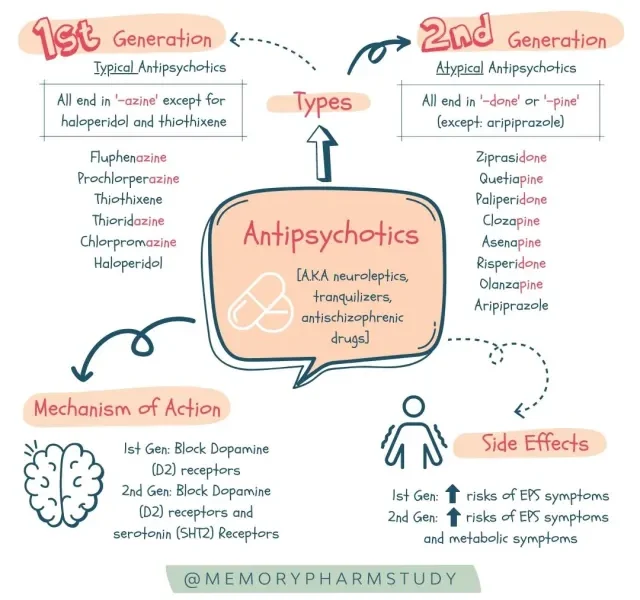
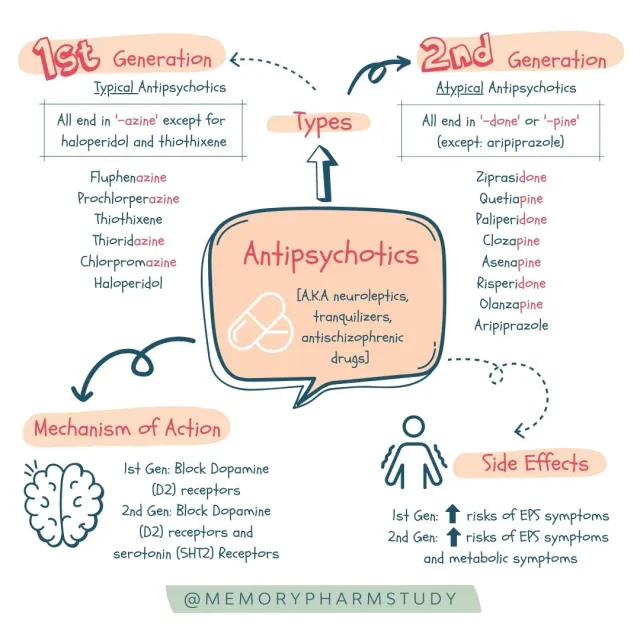
Antipsychotics are generally classified into two categories:
1. First-Generation (Typical) Antipsychotics
Introduced in the 1950s, these include drugs like:
- Haloperidol
- Chlorpromazine They primarily block dopamine receptors, which helps reduce psychotic symptoms but can also lead to more movement-related side effects.
2. Second-Generation (Atypical) Antipsychotics
Developed later, these are more commonly used today. Examples include:
- Risperidone
- Olanzapine
- Quetiapine
- Aripiprazole Atypical antipsychotics not only affect dopamine but also target serotonin receptors, offering a broader mechanism of action and often causing fewer motor side effects.
Conditions Treated with Antipsychotics
Antipsychotics are prescribed to manage a variety of mental health conditions, such as:
- Schizophrenia: Helps reduce hallucinations, delusions, and disorganized behavior
- Bipolar Disorder: Manages manic episodes and, in some cases, depressive phases
- Severe Depression: Sometimes used alongside antidepressants when symptoms are resistant to treatment
- Schizoaffective Disorder
- Delusional Disorder
- Psychosis from drug use or medical conditions
They may also be used short-term in conditions involving extreme agitation or confusion, such as in some cases of dementia.
How Do Antipsychotics Work?
These medications mainly influence brain chemicals, especially dopamine and serotonin, which are involved in mood, thought processes, and perception. By balancing these neurotransmitters, antipsychotics help reduce symptoms of psychosis and mood instability.
However, the exact mechanisms can vary depending on the specific medication, which is why treatment is often individualized.
Benefits of Antipsychotics
When used appropriately and under medical supervision, antipsychotics can offer significant benefits:
- Stabilize mood and behavior
- Reduce hallucinations and delusions
- Improve sleep and reduce agitation
- Enhance quality of life and social functioning
- Lower risk of relapse when used as part of a long-term treatment plan
Potential Side Effects
While antipsychotics can be highly effective, they can also cause side effects. These may include:
- Weight gain
- Drowsiness or sedation
- Increased appetite
- Dry mouth or constipation
- Movement disorders (especially with typical antipsychotics), such as tremors or stiffness
- Elevated blood sugar or cholesterol levels
- Hormonal changes (like increased prolactin levels)
Because side effects vary by individual and medication, regular monitoring and open communication with healthcare providers are essential.
Important Considerations
- Start Low, Go Slow: Dosing usually begins low and is adjusted based on response and side effects.
- Adherence Is Crucial: Skipping doses can lead to relapse or withdrawal symptoms.
- Do Not Stop Suddenly: Always consult a doctor before stopping medication, as sudden withdrawal can be dangerous.
- Comprehensive Treatment: Antipsychotics work best when combined with therapy, lifestyle changes, and social support.
Breaking the Stigma
Many people hesitate to take antipsychotics due to stigma or fear of side effects. However, with proper guidance and monitoring, these medications can greatly improve daily functioning and mental stability. Raising awareness and promoting education about these medications helps reduce fear and encourages more people to seek help when needed.
Conclusion
Antipsychotics are an essential part of modern psychiatric care, helping individuals manage some of the most severe and life-altering mental health symptoms. While they are not a cure, they offer a pathway to stability, recovery, and a more manageable life.