Ascariasis is one of the most widespread intestinal infections globally, especially in regions with inadequate sanitation. Caused by a parasitic roundworm called Ascaris lumbricoides, this condition often goes unnoticed in mild cases but can lead to serious health problems if left untreated. Understanding ascariasis is vital for prevention, early detection, and proper management.
Ascariasis is an infection caused by the large roundworm Ascaris lumbricoides, one of the largest parasites found in humans. An adult worm can grow up to 35 centimeters long and live in the intestines, where it feeds off partially digested food. This parasitic infection is part of a group known as soil-transmitted helminths.
The disease is most common in tropical and subtropical areas, particularly where sanitation is poor. Children are more frequently affected due to their increased likelihood of coming into contact with contaminated soil.
How Does Infection Occur?
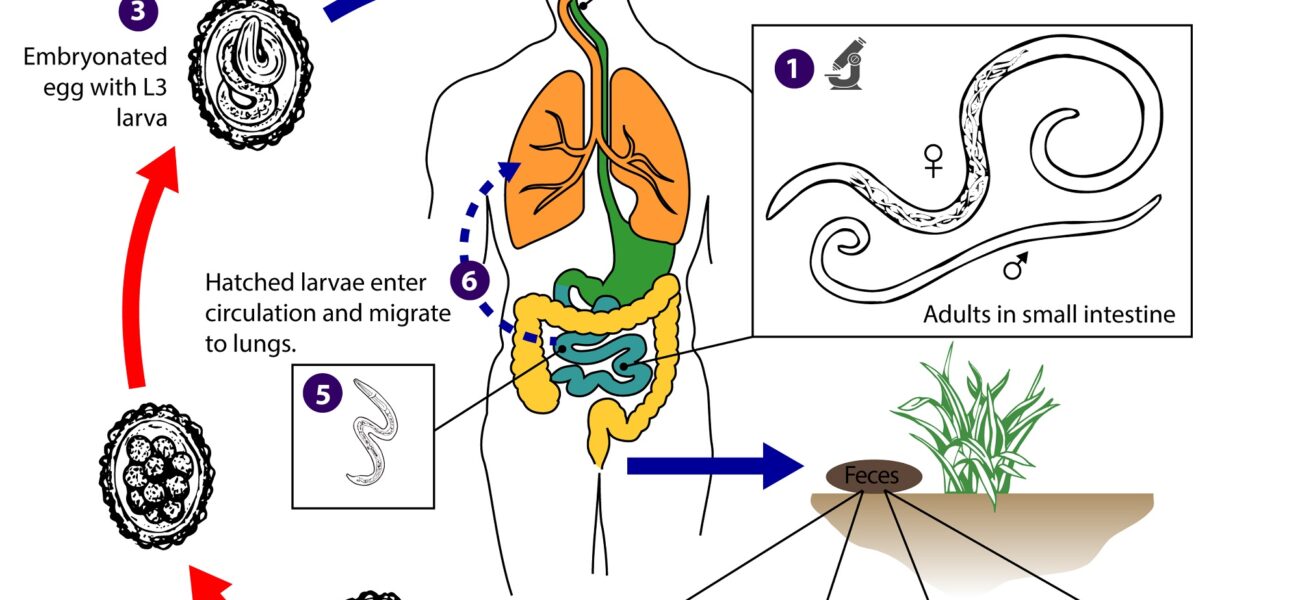
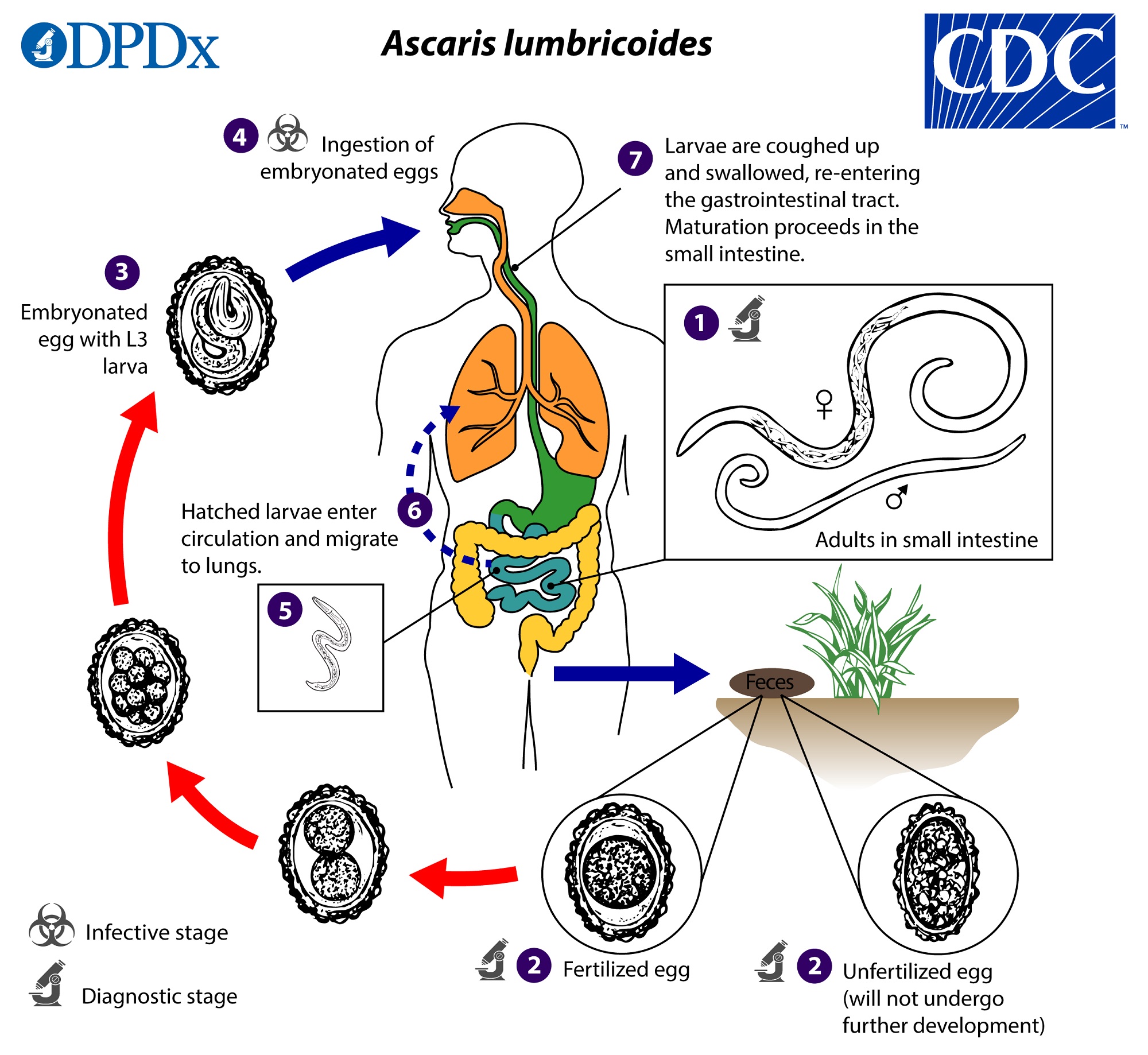
The life cycle of Ascaris begins when a person ingests microscopic eggs present in contaminated soil, food, or water. Here’s how the infection progresses:
- The eggs hatch into larvae in the intestine.
- The larvae penetrate the intestinal wall and enter the bloodstream.
- They travel to the lungs, where they mature further.
- After a few days, they migrate up the airways to the throat and are swallowed back into the intestines.
- In the intestines, they develop into adult worms and begin the cycle anew by laying thousands of eggs daily.
This journey through the body can cause a variety of symptoms depending on the stage and severity of the infection.
Symptoms of Ascariasis
Many individuals with ascariasis do not experience symptoms, especially if the infection is mild. However, heavier infestations can lead to noticeable and sometimes serious health issues.
Early-stage symptoms (during lung migration) may include:
- Persistent cough
- Shortness of breath
- Wheezing
- Fever
Later-stage symptoms (after worms mature in the intestines) may involve:
- Abdominal pain or discomfort
- Nausea and vomiting
- Diarrhea or intestinal blockage
- Loss of appetite
- Malnutrition and weight loss, particularly in children
Severe cases can cause life-threatening complications, such as intestinal obstruction or perforation, and even problems in the liver or pancreas.
Diagnosing Ascariasis
Diagnosis typically involves:
- Stool tests: Identifying Ascaris eggs or adult worms in a stool sample.
- Imaging tests: X-rays, ultrasounds, or CT scans can sometimes reveal worms, especially in cases of intestinal blockage.
Because many infected individuals do not show symptoms, routine screening is important in high-risk areas to detect and treat infections early.
Treatment for Ascariasis
Ascariasis is treatable with antiparasitic medications, which are highly effective in clearing the infection. Commonly prescribed drugs include:
- Albendazole
- Mebendazole
- Ivermectin (in certain cases)
Treatment typically involves a short course of medication. In cases of severe infection causing blockages, surgery may be necessary to remove the worms.
Follow-up stool tests may be recommended to ensure the infection has been completely cleared.
Preventing Ascariasis
Effective prevention strategies focus on improving hygiene and sanitation:
- Wash hands thoroughly with soap and water before eating and after using the bathroom.
- Properly wash and peel fruits and vegetables.
- Drink safe, clean water.
- Use sanitary toilet facilities and discourage open defecation.
- Educate communities about the importance of hygiene.
Public health initiatives such as regular deworming programs in schools and at-risk communities have been successful in reducing the global burden of ascariasis.
Conclusion
Ascariasis is a common but often overlooked parasitic infection that can lead to significant health problems if not addressed. With good hygiene practices, improved sanitation, and timely medical treatment, it is entirely preventable and manageable. By raising awareness and promoting healthy habits, we can work toward eliminating ascariasis and improving the well-being of vulnerable populations around the world.
The list of some Ascarisis medicine:
Solas