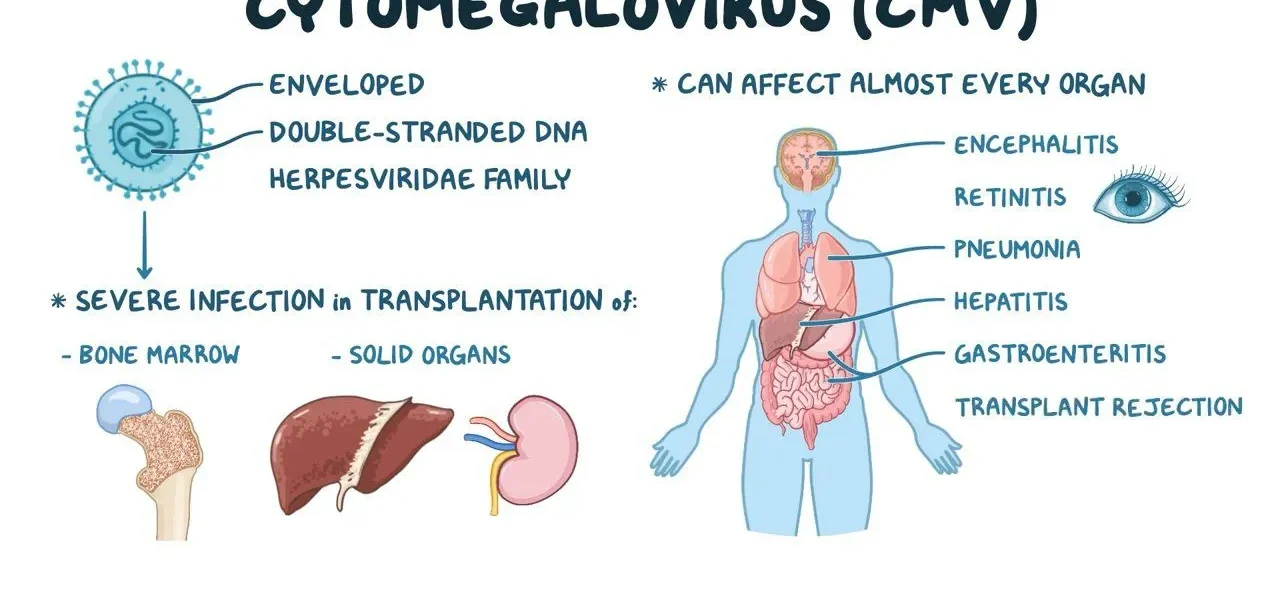
Cytomegalovirus (CMV) is a common virus that belongs to the herpesvirus family, the same group responsible for cold sores, chickenpox, and mononucleosis. While CMV infections are widespread, many people may not even realize they have it because it often causes few or no symptoms in healthy individuals. However, for certain groups — such as newborns, pregnant women, and people with weakened immune systems — CMV can lead to serious health problems.
Understanding CMV is important for prevention, early detection, and effective management, especially for those at higher risk.
What is Cytomegalovirus?
CMV is a virus that infects people of all ages. Once you are infected, the virus stays in your body for life, usually remaining dormant. It can reactivate later, particularly when the immune system is weakened.
Most CMV infections are silent, meaning they cause little to no symptoms in healthy individuals. However, CMV can be dangerous when transmitted from a pregnant woman to her unborn baby (congenital CMV) or when it affects immunocompromised individuals, such as organ transplant recipients or those undergoing chemotherapy.
How is CMV Spread?
CMV is spread through bodily fluids, including:
- Saliva
- Urine
- Blood
- Tears
- Semen
- Breast milk
You can contract CMV through close personal contact, sexual activity, blood transfusions, organ transplants, or from mother to child during pregnancy, delivery, or breastfeeding.
Symptoms of Cytomegalovirus
In healthy individuals, CMV infection often resembles a mild flu or may not cause noticeable symptoms at all. When symptoms do appear, they can include:
- Fever
- Fatigue
- Swollen glands
- Sore throat
- Muscle aches
In people with weakened immune systems, CMV can cause more severe symptoms, including:
- Pneumonia
- Inflammation of the liver (hepatitis)
- Inflammation of the retina (retinitis), which can lead to blindness
- Gastrointestinal ulcers
- Neurological problems
In congenital CMV (when a baby is infected before birth), symptoms may include:
- Low birth weight
- Jaundice
- Enlarged liver and spleen
- Seizures
- Hearing and vision loss
- Developmental delays
Risk Factors
While CMV can infect anyone, certain groups are more vulnerable:
- Pregnant women: Risk of passing the infection to the unborn child.
- Newborns: Especially those infected before birth.
- Organ transplant recipients: Higher risk due to immunosuppressive therapy.
- Individuals with HIV/AIDS or cancer: Weakened immune systems can make them more susceptible to severe CMV disease.
Diagnosis
CMV is typically diagnosed through:
- Blood tests to detect CMV antibodies or the virus itself
- Urine or saliva tests, particularly in newborns
- Tissue biopsy, if organ damage is suspected
- Eye exams, if CMV retinitis is a concern
Early detection is crucial in managing complications, especially for at-risk populations.
Treatment Options
There is no cure for CMV, but treatment is available for severe cases. Options include:
- Antiviral medications: Such as ganciclovir, valganciclovir, foscarnet, and cidofovir. These drugs can slow the virus’s growth but may have significant side effects.
- Supportive care: Managing symptoms like pain, fever, and inflammation.
- Prevention of reactivation: For transplant patients, preventive antiviral therapy or regular monitoring is often recommended.
For congenital CMV, early antiviral treatment can help reduce the risk of hearing loss and developmental issues.
Prevention
While it’s difficult to completely prevent CMV infection, certain measures can reduce the risk:
- Practicing good hygiene, such as regular handwashing
- Avoiding contact with saliva and urine, especially when caring for young children
- Practicing safe sex to minimize the risk of sexual transmission
- Screening and precautions during pregnancy
- Using CMV-negative or leukoreduced blood products for high-risk patients
Researchers are also working on developing a CMV vaccine, which could significantly impact prevention efforts in the future.
Final Thoughts
Cytomegalovirus is often underrecognized because it can be so mild, but for vulnerable groups, it can cause serious and lasting health issues. Awareness, early diagnosis, and appropriate treatment are critical to managing CMV infection effectively. Taking simple preventive steps can go a long way, especially for pregnant women and immunocompromised individuals.
As research continues to uncover more about CMV, including potential vaccines, there is hope for better prevention and treatment strategies in the future.
The list of some Cytomegalovirus medicine:
LuciValgan
Letedx
Avalcept