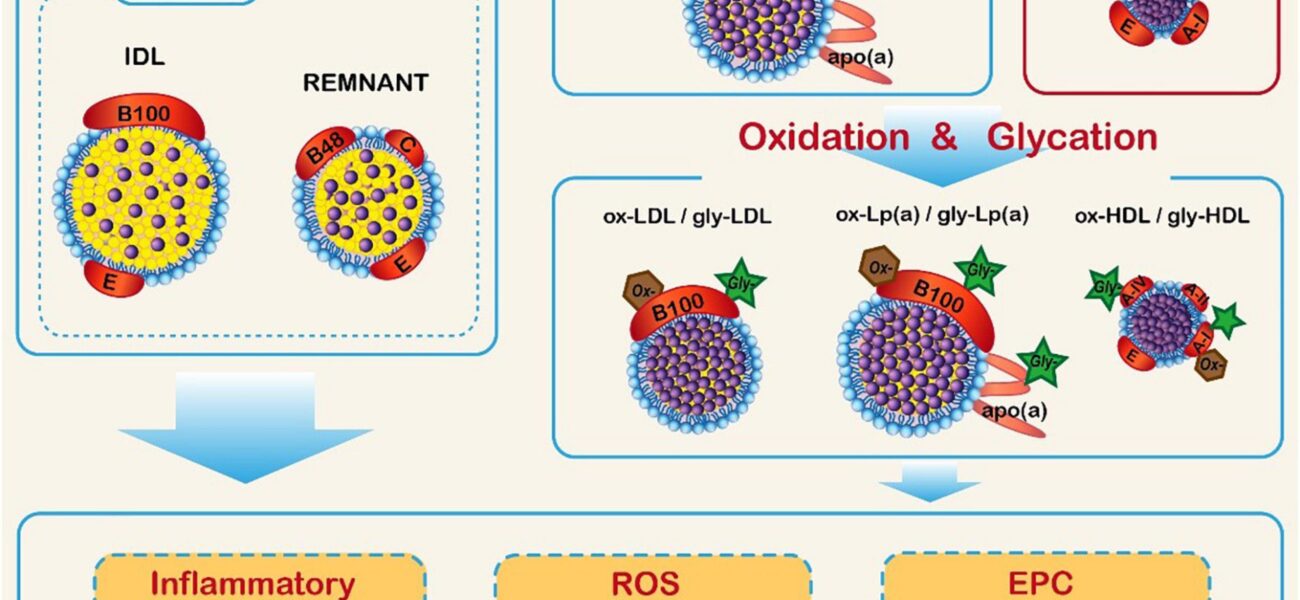
Diabetic dyslipidemia is a common and serious complication that affects individuals with diabetes, particularly those with type 2 diabetes. It refers to the abnormal levels of lipids (fats) in the blood, which includes elevated levels of triglycerides and low levels of high-density lipoprotein (HDL) cholesterol, also known as “good” cholesterol. This lipid imbalance increases the risk of cardiovascular diseases, including heart attack, stroke, and peripheral artery disease, which are already elevated in people with diabetes.
In this blog, we will delve into what diabetic dyslipidemia is, its causes, its impact on health, and how it can be managed effectively.
Diabetic dyslipidemia is characterized by a distinctive pattern of lipid abnormalities that commonly occur in individuals with diabetes:
- High triglycerides: Elevated levels of triglycerides, a type of fat that circulates in the bloodstream, are often found in people with diabetes, especially those with poor blood sugar control.
- Low HDL cholesterol: HDL cholesterol is often referred to as “good” cholesterol because it helps remove excess cholesterol from the bloodstream. In diabetic dyslipidemia, HDL levels are typically lower than normal.
- Increased small, dense LDL particles: Low-density lipoprotein (LDL) cholesterol, or “bad” cholesterol, is also affected, as people with diabetic dyslipidemia often have a higher proportion of small, dense LDL particles, which are more likely to contribute to the formation of plaque in the arteries.
This lipid imbalance is often present in people with poorly controlled diabetes, particularly those who are overweight or obese. While the exact mechanisms behind diabetic dyslipidemia are not fully understood, it is believed to be linked to insulin resistance, a hallmark of type 2 diabetes.
Causes of Diabetic Dyslipidemia
The primary cause of diabetic dyslipidemia is insulin resistance, where the body’s cells do not respond properly to insulin, leading to elevated blood sugar levels. Insulin resistance is a core feature of type 2 diabetes and often accompanies other conditions, such as obesity and metabolic syndrome.
Several factors contribute to the development of diabetic dyslipidemia:
- Insulin resistance: When insulin is less effective at regulating glucose, the liver produces more triglycerides, which results in elevated levels of fat in the blood.
- Obesity: Excess fat, particularly abdominal fat, is strongly linked to insulin resistance and worsens lipid imbalances.
- Poor diet: Diets high in refined sugars, unhealthy fats, and low in fiber contribute to increased triglyceride levels and low HDL cholesterol.
- Sedentary lifestyle: Physical inactivity can lead to weight gain, worsening insulin resistance and dyslipidemia.
- Genetics: Family history of diabetes or heart disease can increase the risk of developing diabetic dyslipidemia.
Symptoms of Diabetic Dyslipidemia
Diabetic dyslipidemia usually does not present with obvious symptoms, which is why it is often referred to as a “silent” condition. Individuals may not notice any signs until they develop more severe complications, such as cardiovascular disease or atherosclerosis (hardening of the arteries). However, some individuals may experience:
- Fatty deposits under the skin (xanthomas): In rare cases, fat deposits can form on the skin, especially around the eyes or joints, due to extremely high cholesterol levels.
- Chest pain or discomfort: As a result of atherosclerosis and plaque buildup in the arteries, some individuals may experience chest pain or other cardiovascular symptoms.
- Fatigue or weakness: Poor blood circulation caused by narrowed arteries can lead to tiredness or difficulty exercising.
Regular blood tests are essential for diagnosing dyslipidemia, as it can be detected by measuring lipid levels, including triglycerides, HDL cholesterol, and LDL cholesterol.
How Diabetic Dyslipidemia Affects Your Health
Diabetic dyslipidemia increases the risk of developing serious cardiovascular diseases due to its effects on lipid metabolism. The abnormal lipid profile can contribute to the formation of fatty plaques in the arteries, leading to:
- Atherosclerosis: A buildup of plaque inside the arteries, which can restrict blood flow and increase the risk of heart attack and stroke.
- Coronary artery disease (CAD): Blockage of the arteries supplying the heart muscle, leading to chest pain (angina) or heart attack.
- Peripheral artery disease (PAD): Reduced blood flow to the legs and feet, causing pain, ulcers, or tissue death.
- Stroke: Atherosclerosis and plaque buildup can also affect the arteries leading to the brain, increasing the risk of stroke.
For individuals with diabetes, managing lipid levels is crucial not only for preventing cardiovascular events but also for improving overall health and quality of life.
Diagnosis of Diabetic Dyslipidemia
Diabetic dyslipidemia is diagnosed through a blood test, known as a lipid panel, that measures the levels of:
- Triglycerides
- HDL cholesterol (good cholesterol)
- LDL cholesterol (bad cholesterol)
- Total cholesterol
It is recommended that individuals with diabetes have their lipid profile checked at least once a year. If lipid imbalances are detected, treatment strategies can be initiated to reduce the risk of cardiovascular disease and other complications.
Treatment and Management of Diabetic Dyslipidemia
The goal of managing diabetic dyslipidemia is to normalize lipid levels, improve insulin sensitivity, and reduce the risk of cardiovascular disease. Treatment typically includes a combination of lifestyle changes, medications, and blood sugar management.
Lifestyle Changes:
- Healthy eating: A heart-healthy diet low in refined sugars, unhealthy fats, and high in fiber can help manage triglyceride levels and increase HDL cholesterol. Foods rich in omega-3 fatty acids (like fatty fish, flaxseeds, and walnuts) are beneficial for reducing triglycerides.
- Exercise: Regular physical activity, such as aerobic exercise, can help improve insulin sensitivity, lower triglycerides, and raise HDL cholesterol.
- Weight loss: Losing excess weight, particularly abdominal fat, can significantly improve lipid levels and insulin resistance.
- Smoking cessation: Smoking damages blood vessels and worsens the effects of dyslipidemia, so quitting smoking is important for cardiovascular health.
Medications:
If lifestyle changes alone are not sufficient, medications may be prescribed to help manage dyslipidemia:
- Statins: These drugs help lower LDL cholesterol and reduce the risk of heart disease.
- Fibrates: Fibrates can lower triglyceride levels and increase HDL cholesterol.
- Niacin (vitamin B3): Niacin can help lower triglycerides and raise HDL cholesterol, though it is less commonly used due to potential side effects.
- Omega-3 fatty acid supplements: Prescription omega-3 fatty acids (such as fish oil) are used to reduce high triglyceride levels.
Blood Sugar Control:
Controlling blood glucose levels is critical in managing diabetic dyslipidemia. Effective management of blood sugar through diet, exercise, and medication (such as insulin or oral hypoglycemic agents) can help reduce triglyceride levels and improve overall lipid profiles.
Prevention of Diabetic Dyslipidemia
Preventing diabetic dyslipidemia involves addressing the key risk factors associated with diabetes, such as insulin resistance, obesity, and poor lifestyle choices. Focus on:
- Eating a balanced, nutrient-dense diet
- Exercising regularly
- Maintaining a healthy weight
- Managing diabetes and blood glucose levels effectively
- Avoiding smoking and excessive alcohol consumption
Early detection and management of dyslipidemia are essential to reduce the risk of long-term complications, such as heart disease and stroke.
Conclusion Diabetic dyslipidemia is a serious but manageable condition that affects many individuals with diabetes. By recognizing the signs, understanding the causes, and adopting an effective treatment plan, people with diabetes can significantly reduce their risk of cardiovascular diseases and improve their quality of life. A combination of lifestyle changes, medication, and diligent blood sugar control can help manage diabetic dyslipidemia and promote long-term health.
The list of some Diabetic Dyslipidemia medicine: