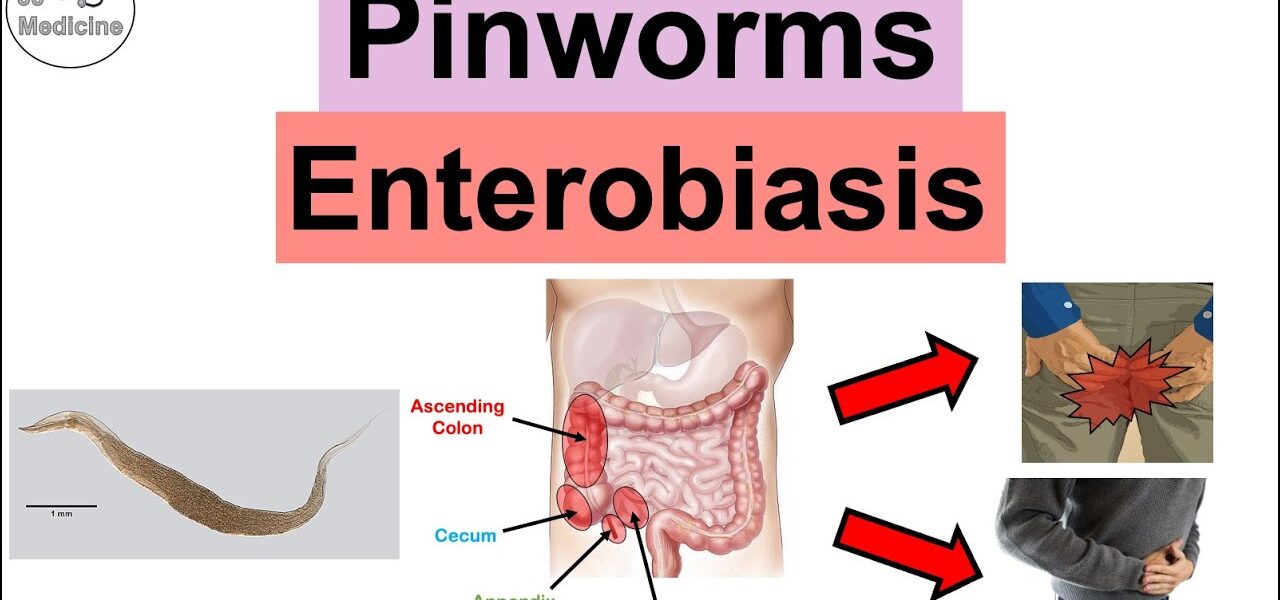
Enterobiasis, commonly known as a pinworm infection, is one of the most frequent parasitic infections in humans, especially among children. Although the condition may sound alarming, it is generally mild and highly treatable. However, due to its contagious nature, early detection and good hygiene practices are essential to prevent it from spreading within households and communities.
Enterobiasis is caused by a small, white, thread-like worm called Enterobius vermicularis, more commonly referred to as the pinworm. These parasites reside in the human intestine and typically lay their eggs around the anal area, often leading to intense itching and discomfort.
Pinworms are tiny—females can measure up to 13 mm in length—yet they can cause significant irritation, particularly at night when they migrate to the anal region to lay eggs.
How Do Pinworm Infections Occur?
Pinworm infections are spread through the fecal-oral route. This means eggs are transferred from contaminated surfaces, fingers, clothing, or food to the mouth. Once ingested, the eggs hatch in the intestine and mature into adult worms. Because the eggs are incredibly light and sticky, they can be easily transferred between individuals in close contact.
Infection is particularly common in places where people live or interact closely, such as:
- Schools and daycare centers
- Households with multiple family members
- Dormitories and camps
Children, due to their hand-to-mouth habits and close interaction with peers, are the most frequently affected group.
Symptoms of Enterobiasis
The hallmark symptom of a pinworm infection is anal itching, particularly at night. This occurs because the female worms emerge to lay eggs around the anus, causing irritation. Other symptoms may include:
- Restlessness or difficulty sleeping
- Irritability or crankiness (especially in children)
- Occasional stomach pain or nausea
- Visible worms in the stool or near the anal area
In females, the worms can sometimes migrate to the vaginal area, causing additional discomfort.
Diagnosing Enterobiasis
Diagnosing a pinworm infection is relatively straightforward. A doctor may recommend a “tape test”—a simple method in which a piece of transparent tape is pressed against the skin around the anus first thing in the morning. This tape is then examined under a microscope to detect the presence of eggs.
Because the eggs are often not present in stool, regular stool tests are not typically used for diagnosis.
Treatment and Management
Treatment for enterobiasis usually involves antiparasitic medications such as:
- Mebendazole
- Albendazole
- Pyrantel pamoate (often available over-the-counter)
Since pinworm infections spread easily, everyone in the household is often treated at the same time, even if they are not showing symptoms. A second dose is usually given two weeks after the first to ensure that any newly hatched worms are eliminated.
Preventing Re-infection
Preventing the spread and re-infection of pinworms requires strict hygiene practices:
- Wash hands thoroughly with soap and water, especially after using the toilet and before eating.
- Keep fingernails short and discourage nail-biting or scratching.
- Wash bed linens, pajamas, and underwear in hot water daily during treatment.
- Shower every morning to remove eggs from the skin.
- Clean and disinfect commonly touched surfaces like toilet seats, doorknobs, and toys.
Teaching children proper hygiene habits is one of the most effective ways to reduce the risk of recurring infections.
Conclusion
Enterobiasis is a common and often harmless condition, but it can be an uncomfortable and disruptive experience—especially for young children. Fortunately, with timely treatment and good hygiene, it can be easily controlled and prevented. Awareness and early action are key to stopping pinworms from spreading and ensuring the comfort and well-being of everyone affected.
The list of some Enterobiasis medicine: