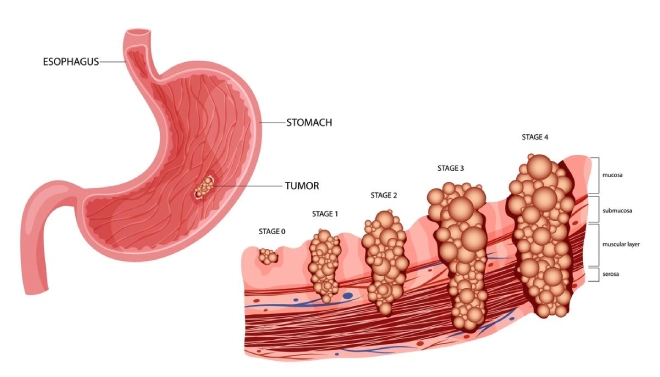
Cancer is a complex and often frightening diagnosis, and when it strikes the stomach, it is known as gastric cancer. Despite advances in medicine, gastric cancer remains a major health challenge worldwide, particularly because it is often diagnosed at an advanced stage. Raising awareness about its causes, symptoms, and treatment options can lead to earlier detection and better outcomes.
Gastric cancer, commonly referred to as stomach cancer, arises from the lining of the stomach. Most gastric cancers are classified as adenocarcinomas, meaning they originate from the glandular cells of the stomach lining. Less commonly, other types such as lymphomas, gastrointestinal stromal tumors (GISTs), and carcinoid tumors can also occur in the stomach.
Gastric cancer tends to develop slowly over many years. Precancerous changes often occur in the stomach lining but may go unnoticed due to the lack of early symptoms.
Risk Factors
Several factors can increase the risk of developing gastric cancer:
- Helicobacter pylori Infection: Chronic infection with H. pylori bacteria significantly raises the risk. It can cause inflammation and changes in the stomach lining that may eventually lead to cancer.
- Diet: Consuming large amounts of smoked, salted, or pickled foods has been linked to higher rates of gastric cancer.
- Smoking: Tobacco use doubles the risk of stomach cancer, particularly for cancers in the upper portion of the stomach.
- Family History: A history of gastric cancer in close relatives can increase personal risk.
- Certain Genetic Conditions: Disorders like hereditary diffuse gastric cancer (HDGC) and Lynch syndrome are associated with higher rates of stomach cancer.
- Other Medical Conditions: Chronic gastritis, gastric polyps, and pernicious anemia are linked with a higher likelihood of developing gastric cancer.
Signs and Symptoms
In its early stages, gastric cancer often causes few or no symptoms, making it difficult to detect. As the disease progresses, symptoms may include:
- Persistent indigestion or heartburn
- Stomach pain or discomfort
- Nausea and vomiting
- Loss of appetite
- Unexplained weight loss
- Difficulty swallowing
- Feeling full after eating small amounts
- Vomiting blood or passing black stools (a sign of internal bleeding)
Because these symptoms can easily be mistaken for common gastrointestinal issues, many people are diagnosed only when the cancer is advanced.
Diagnosis
Diagnosing gastric cancer usually involves a combination of methods:
- Endoscopy: A thin tube with a camera is inserted through the throat to visually inspect the stomach lining and obtain tissue samples (biopsy).
- Imaging Tests: CT scans, PET scans, and X-rays help determine the extent of the disease.
- Laboratory Tests: Blood tests and tumor marker studies can provide additional clues.
- Histopathology: Analysis of the biopsy sample confirms the presence of cancer cells and determines the cancer type.
Treatment Options
The treatment plan for gastric cancer depends on the stage of the disease, the patient’s overall health, and personal preferences. Common treatment approaches include:
- Surgery: Removing part or all of the stomach (gastrectomy) is often necessary, especially for early-stage cancers.
- Chemotherapy: Drugs that kill cancer cells or stop their growth can be used before surgery (neoadjuvant therapy) or after surgery (adjuvant therapy) to improve survival rates.
- Radiation Therapy: High-energy beams are used to target and destroy cancer cells.
- Targeted Therapy: Medications designed to attack specific molecules involved in cancer growth are used for certain types of gastric cancer.
- Immunotherapy: Newer treatments aim to help the immune system recognize and destroy cancer cells.
Prevention and Early Detection
While not all cases of gastric cancer can be prevented, there are steps that can reduce the risk:
- Treat H. pylori infections when detected.
- Maintain a healthy diet rich in fruits and vegetables and low in salty, smoked foods.
- Quit smoking and limit alcohol consumption.
- Undergo regular screenings if you have a family history or other significant risk factors.
In countries with a high incidence of gastric cancer, such as Japan and South Korea, routine screening programs have proven effective in detecting cancers earlier and improving survival rates.
Conclusion
Gastric cancer remains a significant global health problem, but early detection and modern treatments have improved outcomes for many patients. Being aware of the risk factors and symptoms, adopting a healthy lifestyle, and seeking prompt medical attention for persistent digestive issues are key steps in reducing the impact of this silent but deadly disease.
The list of some Gastric Cancer medicine: