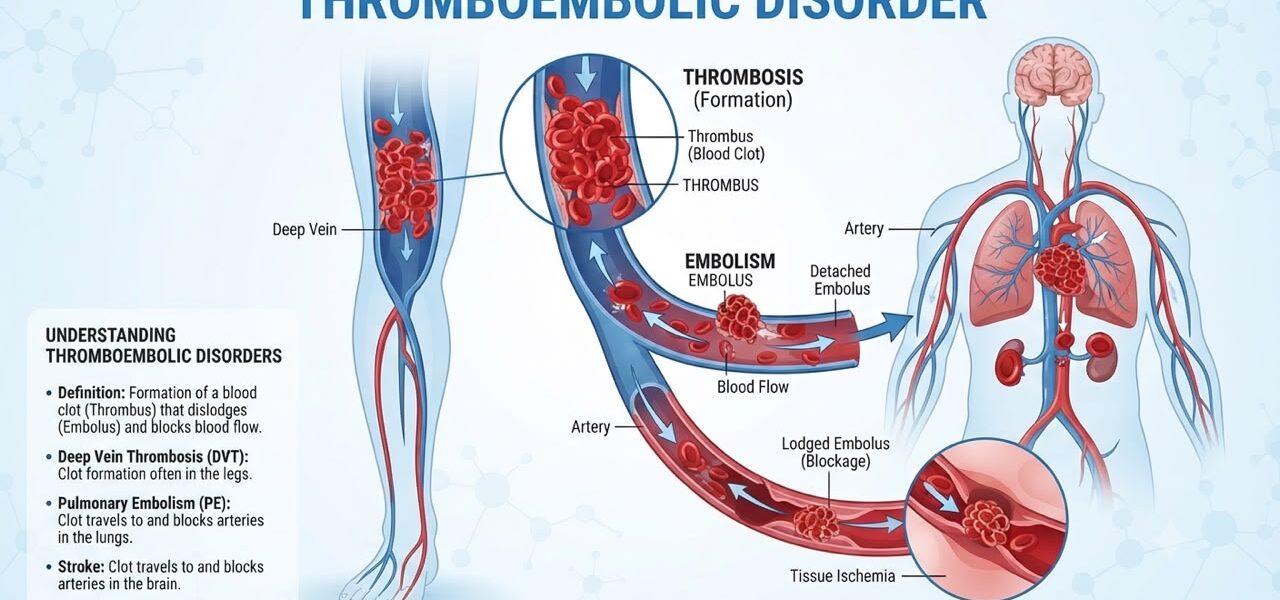
A Thromboembolic Disorder is a condition in which a blood clot (thrombus) forms inside a blood vessel and may partially or completely block blood flow. Sometimes, the clot can break loose and travel through the bloodstream (embolus), causing a blockage in another part of the body. This can lead to serious medical emergencies such as deep vein thrombosis (DVT), pulmonary embolism (PE), stroke, or other life-threatening complications.
Blood clots most commonly develop in the deep veins of the legs, but they can also occur in the lungs, brain, heart, or other organs. Early diagnosis and proper treatment are essential to prevent severe complications.
Symptoms
Thromboembolic disorders do not always cause noticeable symptoms. However, depending on the location of the clot, symptoms may include:
- Swelling in one leg or arm
- Pain or tenderness, especially in the calf or thigh
- Warmth and redness of the affected area
- Sudden shortness of breath
- Chest pain that worsens with deep breathing
- Rapid heartbeat
- Coughing up blood
- Dizziness or fainting
- Sudden weakness or numbness on one side of the body
- Difficulty speaking or vision changes (if the clot affects the brain)
Causes
Thromboembolic disorders have many possible causes.
Blood Flow Problems
Conditions that slow or restrict normal blood circulation can increase the risk of clot formation. These include:
- Prolonged bed rest or immobility
- Long-distance travel
- Paralysis
- Heart failure
Blood Clotting Disorders
Certain inherited or acquired conditions make the blood more likely to clot. Examples include:
- Factor V Leiden mutation
- Protein C deficiency
- Protein S deficiency
- Antithrombin deficiency
- Antiphospholipid syndrome
Medical Conditions
Several diseases and health conditions can increase the risk of thromboembolic disorders, including:
- Cancer
- Heart disease
- Atrial fibrillation
- Pregnancy and the postpartum period
- Severe infections
- Chronic inflammatory diseases
Surgery and Injury
Major surgery or trauma may damage blood vessels and trigger clot formation, especially after:
- Hip or knee replacement surgery
- Major abdominal surgery
- Fractures
- Serious injuries
Other
Additional common causes include:
- Smoking
- Obesity
- Hormonal birth control pills
- Hormone replacement therapy
- Dehydration
- Increasing age
- Certain medications
Risk Factors
Factors that may increase your risk of developing a thromboembolic disorder include:
- Previous history of blood clots
- Family history of clotting disorders
- Obesity
- Smoking
- Pregnancy
- Age over 60 years
- Cancer and chemotherapy
- Major surgery or hospitalization
- Long periods of inactivity
- Heart disease
- Type 2 diabetes
- Use of estrogen-containing contraceptives or hormone therapy
Prevention
To reduce the risk of thromboembolic disorders:
- Stay physically active and avoid prolonged sitting or bed rest.
- Maintain a healthy body weight.
- Drink plenty of water to stay hydrated.
- Avoid smoking and tobacco products.
- Exercise regularly to improve blood circulation.
- Move your legs frequently during long flights or car journeys.
- Wear compression stockings if recommended by your doctor.
- Take blood-thinning medications only as prescribed.
- Control chronic conditions such as diabetes, high blood pressure, and heart disease.
- Follow your doctor’s advice after surgery, including early walking and preventive medications when necessary.
The List of Some Thromboembolic Disorder Medicines