$0.00
0

What is Hemophilia?

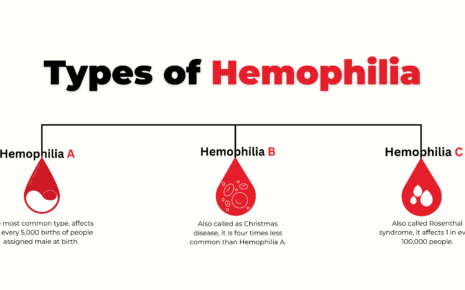
Hemophilia is a rare, inherited bleeding disorder in which the blood doesn’t clot properly due to the lack of specific clotting factors. This results in prolonged bleeding after injury, surgery, or even spontaneous bleeding inside the body, such as in joints or muscles. Although hemophilia is not curable, early diagnosis, proper treatment, and preventive care …
Continue Reading

What is a Desmoid Tumor?

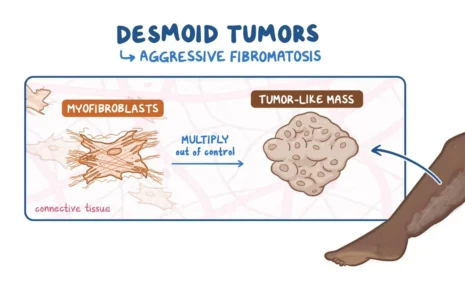
A Desmoid Tumor, also known as Aggressive Fibromatosis, is a rare and noncancerous (benign) growth that arises from fibroblast cells — the connective tissue cells that provide structural support throughout the body. Although desmoid tumors do not spread to distant organs like cancer, they can grow aggressively and invade nearby tissues, muscles, and organs, often …

Continue Reading

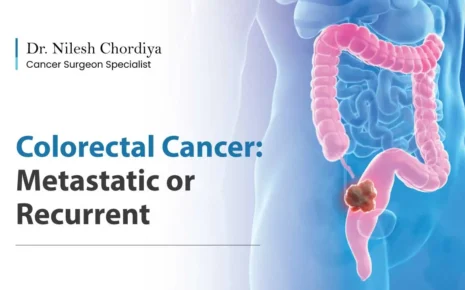
What is Metastatic Colorectal Cancer?

Metastatic Colorectal Cancer (mCRC) refers to colorectal cancer that has spread beyond the colon or rectum to distant parts of the body, such as the liver, lungs, or peritoneum. This stage of cancer is also known as stage IV colorectal cancer. While localized colorectal cancer is often curable through surgery, metastatic disease requires more complex …

Continue Reading

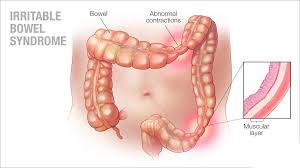
What is Irritable Bowel Syndrome (IBS)?

Irritable Bowel Syndrome (IBS) is a common chronic gastrointestinal disorder that affects the large intestine. It is characterized by a group of symptoms that typically include abdominal pain, bloating, cramping, and changes in bowel habits — such as diarrhea, constipation, or both. Unlike inflammatory bowel diseases (IBD) such as Crohn’s disease or ulcerative colitis, IBS …

Continue Reading

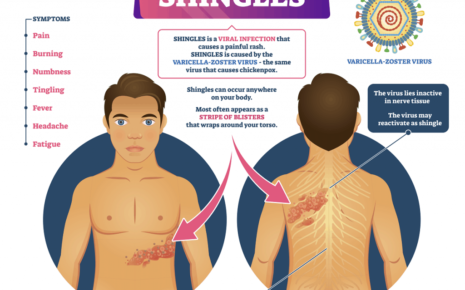
What is Nostherpetic Peuralgia?

Nostherpetic Peuralgia (PHN) is a chronic nerve pain condition that occurs as a complication of shingles (herpes zoster) — a viral infection caused by the reactivation of the varicella-zoster virus, the same virus responsible for chickenpox. After a shingles rash heals, some individuals continue to experience severe nerve pain in the affected area, often lasting …

Continue Reading

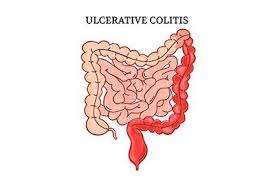
What is Ulcerative Colitis?

Ulcerative Colitis (UC) is a chronic inflammatory bowel disease (IBD) that causes long-lasting inflammation and ulcers (sores) in the lining of the large intestine (colon) and rectum. This condition leads to symptoms such as abdominal pain, diarrhea, rectal bleeding, and fatigue, which can significantly affect daily life. Unlike temporary digestive issues, ulcerative colitis is a …

Continue Reading

What is Oligo-Anovulatory?

Oligo-anovulatory refers to a condition in which a woman experiences infrequent (oligo-) or absent (anovulatory) ovulation, meaning the ovaries either release eggs irregularly or not at all. This leads to menstrual irregularities and often fertility problems. While occasional anovulation can occur naturally due to stress or hormonal fluctuations, chronic oligo-anovulation is usually a sign of …

Continue Reading

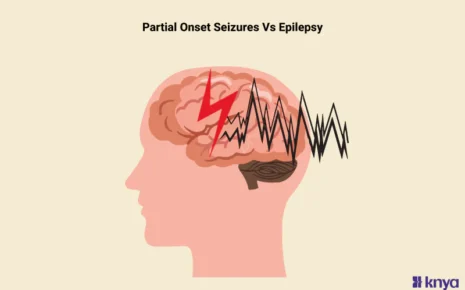
What Are Partial-Onset Seizures?

Partial-Onset Seizures, also known as Focal Seizures, occur when abnormal electrical activity begins in a specific area of the brain rather than affecting the entire brain at once. These seizures can cause various symptoms depending on which part of the brain is involved — ranging from subtle sensory changes to loss of awareness or involuntary …

Continue Reading
What is Lupus:

What is Lupus?

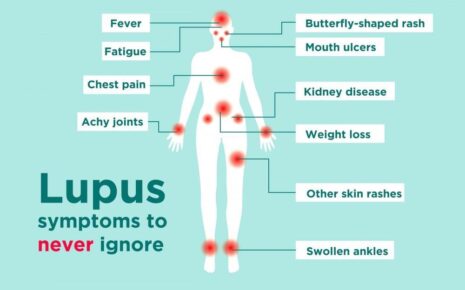
Lupus is a chronic autoimmune disorder where the body’s immune system mistakenly attacks its own healthy tissues and organs. This abnormal immune response can cause widespread inflammation and damage to various body systems, including the skin, joints, kidneys, heart, lungs, brain, and blood cells. Lupus is often challenging to diagnose because its symptoms mimic those …

Continue Reading
What is Liver Fibrosis:

What is Liver Fibrosis?

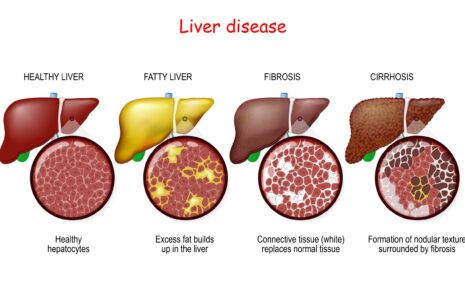
The liver is a powerful organ with over 500 vital functions, including detoxifying harmful substances, processing nutrients, and producing essential proteins. But when it is repeatedly damaged, a condition known as liver fibrosis can develop — and it often goes unnoticed until it reaches an advanced stage. Liver fibrosis is not a disease itself, but …

Continue Reading