$0.00
0
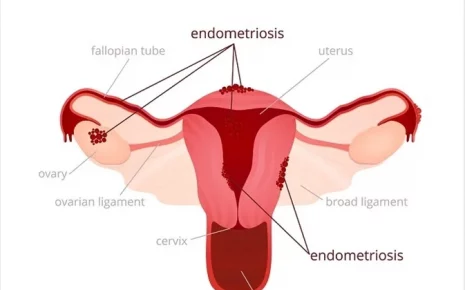
Endometriosis

What is Endometriosis?

Endometriosis (en-doe-me-tree-O-sis) is an often painful disorder in which tissue similar to the tissue that normally lines the inside of your uterus — the endometrium — grows outside your uterus. Endometriosis most commonly involves your ovaries, fallopian tubes and the tissue lining your pelvis. Rarely, endometrial-like tissue may be found beyond the area where pelvic …
Continue Reading
What is Hepatitis B?

What is Hepatitis B?

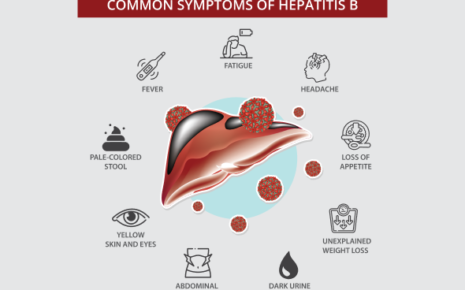
Hepatitis B is a serious liver infection caused by the hepatitis B virus (HBV). For some people, hepatitis B infection becomes chronic, meaning it lasts more than six months. Having chronic hepatitis B increases your risk of developing liver failure, liver cancer or cirrhosis — a condition that permanently scars of the liver. Most adults …

Continue Reading
Type 2 diabetes

What is Type 2 diabetes?

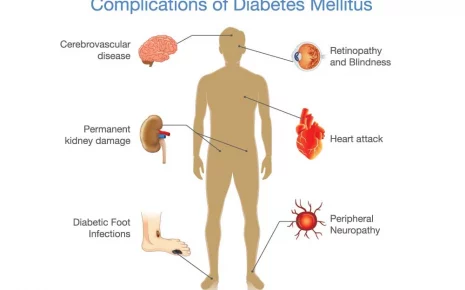
Type 2 diabetes is an impairment in the way the body regulates and uses sugar (glucose) as a fuel. This long-term (chronic) condition results in too much sugar circulating in the bloodstream. Eventually, high blood sugar levels can lead to disorders of the circulatory, nervous and immune systems. In type 2 diabetes, there are primarily …

Continue Reading
HIV

What is HIV?

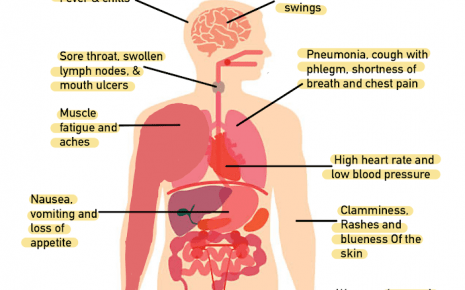
Acquired immunodeficiency syndrome (AIDS) is a chronic, potentially life-threatening condition caused by the human immunodeficiency virus (HIV). By damaging your immune system, HIV interferes with your body’s ability to fight infection and disease. HIV is a sexually transmitted infection (STI). It can also be spread by contact with infected blood or from mother to child during pregnancy, childbirth …

Continue Reading
Tumor

What is Tumor?

A tumor develops when cells reproduce too quickly. Tumors can vary in size from a tiny nodule to a large mass, depending on the type, and they can appear almost anywhere on the body. Types There are three main types of tumor: Benign: These are not cancerous. They either cannot spread or grow, or they …

Continue Reading
Hypoglycemia

What is Hypoglycemia?

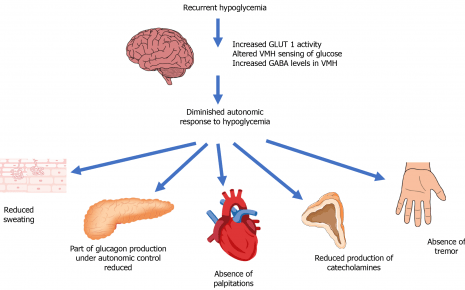
Hypoglycemia is a condition in which your blood sugar (glucose) level is lower than normal. Glucose is your body’s main energy source. Hypoglycemia is often related to diabetes treatment. But other drugs and a variety of conditions — many rare — can cause low blood sugar in people who don’t have diabetes Hypoglycemia needs immediate …

Continue Reading
Thyroid cancer

What is Thyroid cancer ?

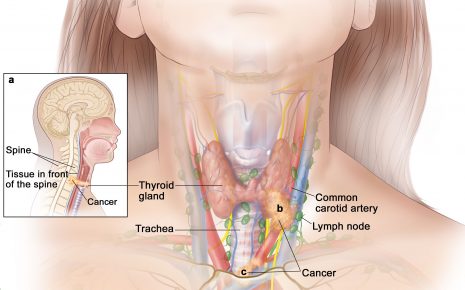
Thyroid cancer occurs in the cells of the thyroid — a butterfly-shaped gland located at the base of your neck, just below your Adam’s apple. Your thyroid produces hormones that regulate your heart rate, blood pressure, body temperature and weight. Thyroid cancer might not cause any symptoms at first. But as it grows, it can …

Continue Reading
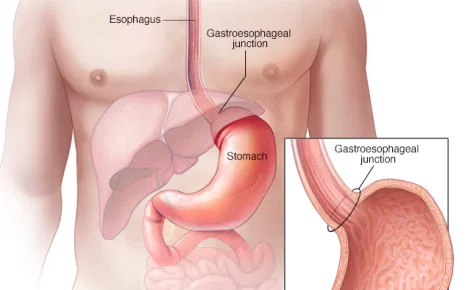
Stomach cancer

What is Stomach cancer ?

Stomach cancer is an abnormal growth of cells that begins in the stomach. The stomach is a muscular sac located in the upper middle of your abdomen, just below your ribs. Your stomach receives and holds the food you eat and then helps to break down and digest it. Stomach cancer, also known as gastric …

Continue Reading
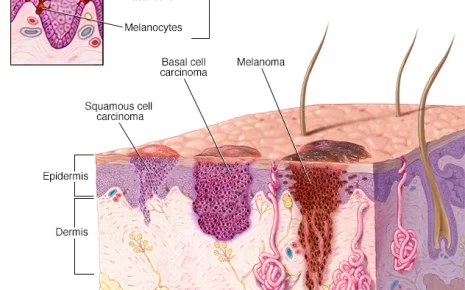
Squamous Cell Cancer

What is Squamous Cell Cancer ?

Squamous cell carcinoma of the skin is a common form of skin cancer that develops in the squamous cells that make up the middle and outer layers of the skin. Squamous cell carcinoma of the skin is usually not life-threatening, though it can be aggressive. Untreated, squamous cell carcinoma of the skin can grow large …

Continue Reading
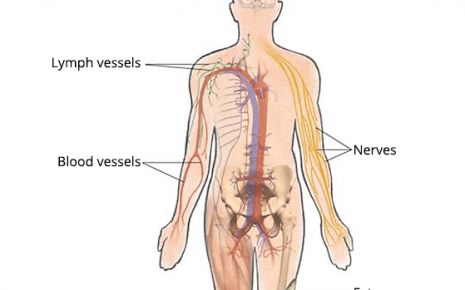
Soft Tissue Sarcoma

What is Soft Tissue Sarcoma ?

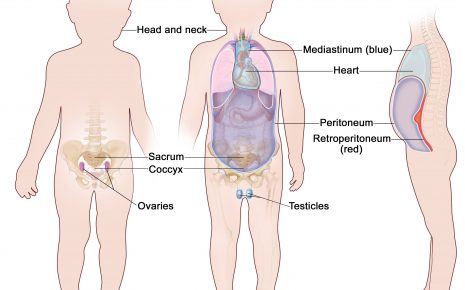
Soft tissue sarcoma is a infrequent type of cancer that start in the tissues that connect, support and surround other body structures. This involve muscle, fat, blood vessels, nerves, tendons and the lining of your joints. More than 50 subtypes of soft tissue sarcoma exist. Some types are more likely to affect children, while others …

Continue Reading