$0.00
0
Atrial fibrillation

What is Atrial fibrillation?

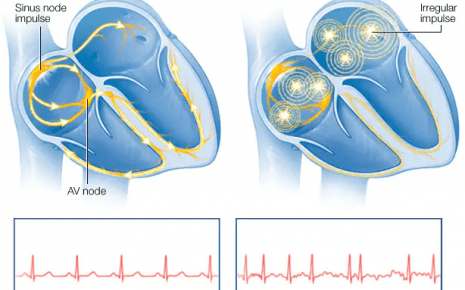
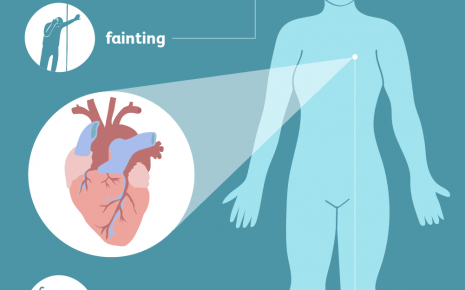
Atrial fibrillation (A-fib) is an irregular and often very rapid heart rhythm (arrhythmia) that can lead to blood clots in the heart. A-fib increases the risk of stroke, heart failure and other heart-related complications. During atrial fibrillation, the heart’s upper chambers (the atria) beat chaotically and irregularly — out of sync with the lower chambers (the ventricles) …
Continue Reading
arrhythmia

What is an arrhythmia?

An arrhythmia (also called dysrhythmia) is an irregular or abnormal  heartbeat. What is my pulse? Your pulse indicates your heart rate, or the number of times your heart beats in one minute. Pulse rates vary from person to person. Your pulse is slower when you are at rest and increases when you exercise, since more …

Continue Reading
Antifungals

What is Antifungals?

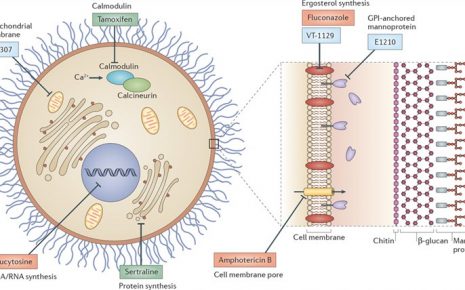
Antifungal medicines treat fungal infections. Fungus in the soil, air and on your skin can cause yeast infections, tinea, and nail and skin infections. Breathing in fungal spores can lead to respiratory sickness. People who have poorly immune systems are more prone to fungal infections that require antifungal medicine. What are antifungals? Antifungals are medicines …

Continue Reading
Polycythemia vera

What is Polycythemia vera?

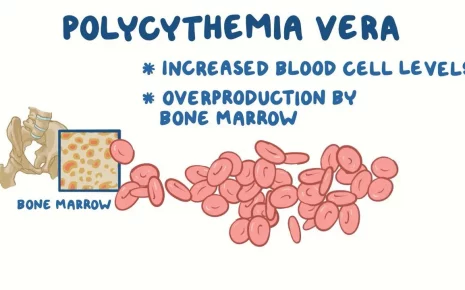
Polycythemia vera (pol-e-sy-THEE-me-uh VEER-uh) is a type of blood cancer. It causes your bone marrow to make too many red blood cells. These excess cells thicken your blood, slowing its flow, which may cause serious problems, such as blood clots. Polycythemia vera is rare. It usually develops slowly, and you might have it for years …

Continue Reading
Myelofibrosis

What is Myelofibrosis?

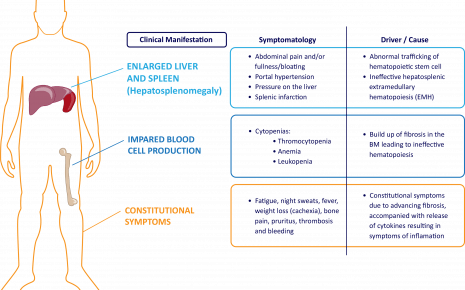
Myelofibrosis is an uncommon type of bone marrow cancer that disrupts your body’s normal production of blood cells. Myelofibrosis causes extensive scarring in your bone marrow, leading to severe anemia that can cause weakness and fatigue. Bone marrow scarring can also cause you to have a low number of blood-clotting cells called platelets, which increases …

Continue Reading
Hemochromatosis

What is Hemochromatosis?

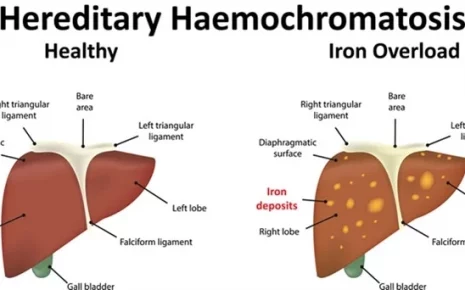
Hereditary hemochromatosis (he-moe-kroe-muh-TOE-sis) causes your body to absorb too much iron from the food you eat. Excess iron is stored in your organs, especially your liver, heart and pancreas. Too much iron can lead to life-threatening conditions, such as liver disease, heart problems and diabetes. The genes that cause hemochromatosis are inherited, but only a …

Continue Reading
Rheumatoid arthritis

What is Rheumatoid arthritis?

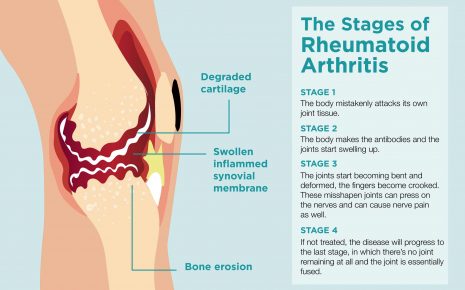
Rheumatoid arthritis is a chronic inflammatory disorder that can affect more than just your joints. In some people, the condition can damage a wide variety of body systems, including the skin, eyes, lungs, heart and blood vessels. An autoimmune disorder, rheumatoid arthritis occurs when your immune system mistakenly attacks your own body’s tissues. Unlike the …

Continue Reading
Psoriatic arthritis

What is Psoriatic arthritis?

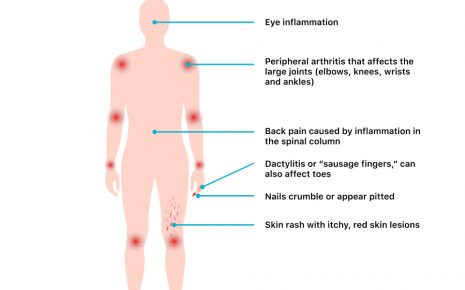
Psoriatic arthritis is a form of arthritis that affects some people who have psoriasis — a disease that causes red patches of skin topped with silvery scales. Most people develop psoriasis years before being diagnosed with psoriatic arthritis. But for some, the joint problems begin before skin patches appear or at the same time. Joint …

Continue Reading
Psoriasis

What is Psoriasis?

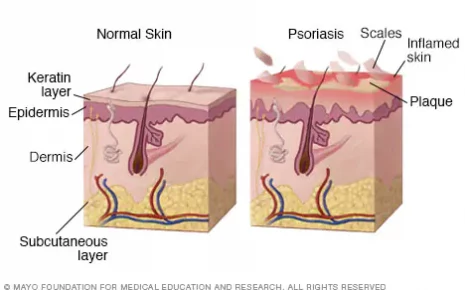
Psoriasis is a skin disease that causes red, itchy scaly patches, most commonly on the knees, elbows, trunk and scalp. Psoriasis is a common, long-term (chronic) disease with no cure. It tends to go through cycles, flaring for a few weeks or months, then subsiding for a while or going into remission. Treatments are available …

Continue Reading
Fibrocystic breast disease

What is Fibrocystic breast disease?

Fibrocystic breasts are composed of tissue that feels lumpy or ropelike in texture. Doctors call this nodular or glandular breast tissue. It’s not at all uncommon to have fibrocystic breasts or experience fibrocystic breast changes. In fact, medical professionals have stopped using the term “fibrocystic breast disease” and now simply refer to “fibrocystic breasts” or …

Continue Reading