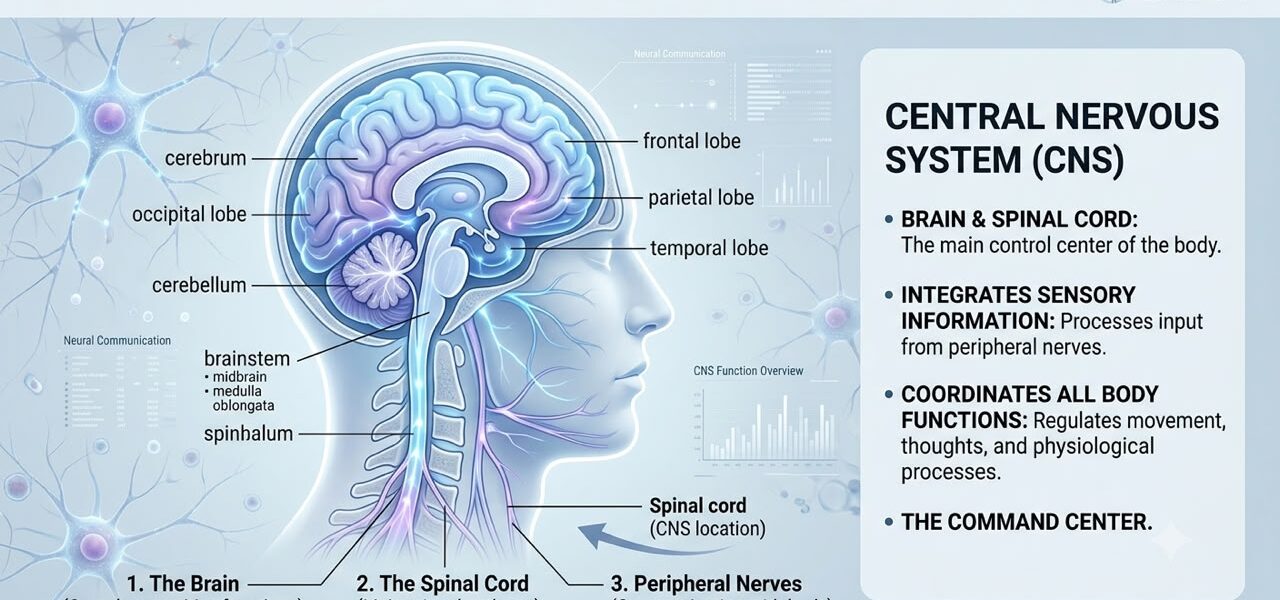
The Central Nervous System (CNS) consists of the brain and spinal cord, which serve as the body’s main control center. The CNS receives, processes, and sends information throughout the body, allowing us to think, move, feel, remember, and perform essential body functions. It coordinates voluntary and involuntary activities and plays a vital role in maintaining overall health.
Diseases affecting the central nervous system can interfere with communication between the brain and the rest of the body, leading to neurological problems. Early diagnosis and appropriate treatment can help manage symptoms, slow disease progression, and improve quality of life.
Symptoms
Central nervous system disorders may cause a wide range of symptoms depending on the affected area. Common symptoms include:
- Persistent headaches
- Dizziness or loss of balance
- Muscle weakness
- Numbness or tingling
- Seizures
- Difficulty walking
- Memory loss or confusion
- Vision or hearing problems
- Speech difficulties
- Tremors or involuntary movements
- Fatigue
- Loss of coordination
Causes
Central nervous system disorders have many causes.
Neurological Diseases
Several neurological conditions can affect the brain and spinal cord, including:
- Multiple sclerosis (MS)
- Epilepsy
- Parkinson’s disease
- Alzheimer’s disease
- Amyotrophic lateral sclerosis (ALS)
- Huntington’s disease
Infections
Certain infections can damage the central nervous system, such as:
- Meningitis
- Encephalitis
- Brain abscess
- Tuberculosis involving the CNS
- Viral infections
Injury and Trauma
Damage to the brain or spinal cord may result from:
- Traumatic brain injury
- Spinal cord injury
- Stroke
- Brain hemorrhage
Other
Additional common causes include:
- Brain tumors
- Autoimmune disorders
- Genetic disorders
- Congenital abnormalities
- Vitamin deficiencies
- Exposure to toxins
- Poor blood supply to the brain
Risk Factors
Factors that may increase your risk of central nervous system disorders include:
- Increasing age
- Family history of neurological diseases
- High blood pressure
- Diabetes
- Smoking
- Excessive alcohol consumption
- Obesity
- Head injuries
- Chronic infections
- Exposure to toxic chemicals
Prevention
Although not all central nervous system disorders can be prevented, the following measures may help reduce the risk:
- Maintain a healthy lifestyle.
- Exercise regularly.
- Eat a balanced, nutritious diet.
- Control blood pressure, diabetes, and cholesterol.
- Avoid smoking and excessive alcohol consumption.
- Wear helmets and seat belts to prevent head and spinal injuries.
- Get recommended vaccinations to reduce the risk of certain infections.
- Manage stress and get adequate sleep.
- Attend regular medical checkups.
- Seek immediate medical attention for neurological symptoms such as sudden weakness, seizures, or difficulty speaking.
The List of Some Central Nervous System Medicines: