$0.00
0
What Is Hyperactivity Disorder

What Is Hyperactivity Disorder?

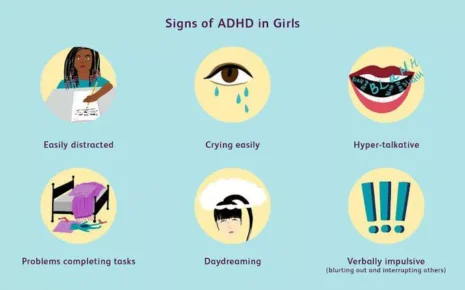
Hyperactivity disorder, or ADHD, is a condition that affects the brain’s ability to regulate attention and impulses. The term “hyperactivity” refers to one of the primary symptoms of the disorder—excessive activity or restlessness, which can manifest in both physical movement and mental processes. People with ADHD might struggle with staying still, waiting their turn, or …
Continue Reading
What is Neutropenia?

What is Neutropenia?

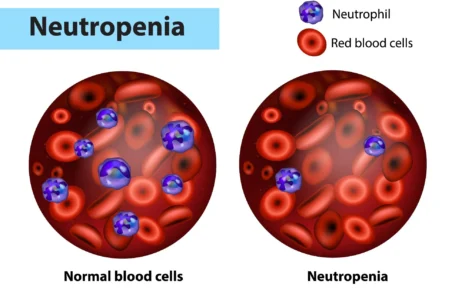
Neutropenia is a medical condition characterized by an unusually low level of neutrophils — a type of white blood cell crucial for fighting off infections. Since neutrophils are the body’s first line of defense against bacteria and fungi, their shortage leaves individuals highly vulnerable to infections. While neutropenia itself may not cause symptoms, its consequences …

Continue Reading
What is Hydrocortisone

What is Hydrocortisone?

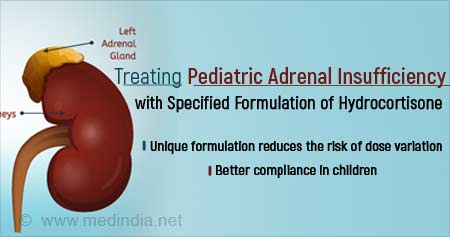
In the intricate network of hormones that regulate our body’s functions, hydrocortisone plays a quiet but vital role. Often referred to as a “stress hormone,” hydrocortisone is actually the pharmaceutical form of cortisol, a steroid hormone naturally produced by the adrenal glands. Whether used topically, orally, or by injection, this powerful agent is a cornerstone …

Continue Reading
Obesity

What is Obesity?

Obesity is more than just a matter of appearance—it’s a serious medical condition that increases the risk of various chronic diseases and affects overall well-being. As rates of obesity continue to climb globally, understanding its causes, effects, and solutions is critical to reversing this alarming trend. Obesity is a condition characterized by excessive accumulation of …

Continue Reading
Oligodendroglioma

What is an Oligodendroglioma?

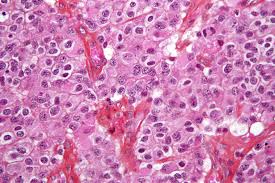
Brain tumors come in many forms, and among the rarer types is a tumor called oligodendroglioma. Although it represents only a small fraction of brain tumors, understanding this condition is important for early diagnosis, effective treatment, and informed management. In this blog, we’ll dive into what oligodendroglioma is, its causes, symptoms, how it’s diagnosed, treatment …

Continue Reading
What is Hot Flashes?

What is Hot Flashes?

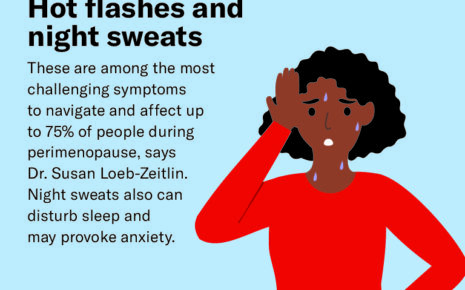
Hot flashes are one of the most common and recognizable symptoms associated with menopause. For many women, they can be sudden, intense, and sometimes disruptive. Although hot flashes are a natural part of aging, they can affect daily activities, sleep quality, and overall well-being. Understanding what causes them, recognizing their patterns, and exploring ways to …

Continue Reading
Ovarian Failure

What is Ovarian Failure?

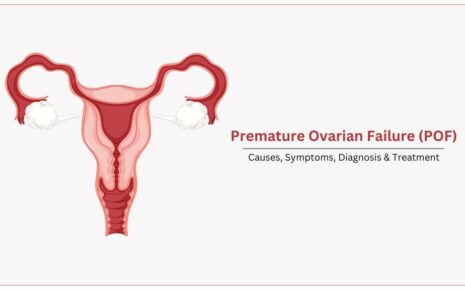
Primary ovarian failure (POF), also known as primary ovarian insufficiency (POI), is a condition where a woman’s ovaries stop functioning normally before the age of 40. This disorder can lead to infertility, hormonal imbalances, and significant emotional challenges. Although often associated with early menopause, primary ovarian failure is a distinct condition that requires specific understanding …

Continue Reading
Overactive Bladder

What is Overactive Bladder?

Imagine constantly feeling the urgent need to rush to the bathroom—whether you’re at work, in the middle of a conversation, or asleep at night. For millions of people around the world, this is not just an inconvenience; it’s a daily reality. This condition is known as Overactive Bladder (OAB), and while it’s common, it’s often …

Continue Reading

What is Hormone Replacement Therapy?

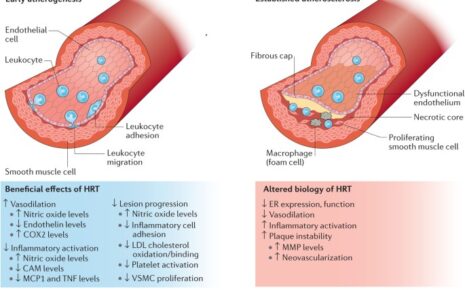
Hormone Replacement Therapy (HRT) is a widely used treatment designed to relieve symptoms associated with hormonal imbalances, particularly during menopause. For many women, HRT provides significant relief from hot flashes, vaginal dryness, mood swings, and other uncomfortable symptoms. However, as with any medical treatment, it’s important to understand both the benefits and the potential risks …

Continue Reading
Pancreatic Cancer

What is Pancreatic Cancer?

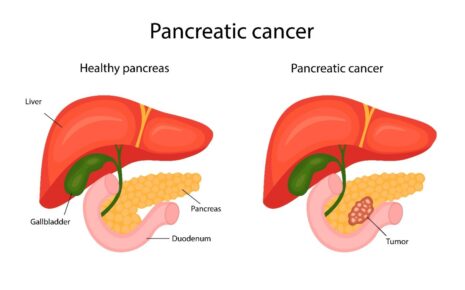
Pancreatic cancer has earned a reputation as one of the most challenging cancers to detect and treat. Often progressing with minimal symptoms until it’s advanced, it’s sometimes called the “silent killer.” Despite accounting for a smaller percentage of cancer diagnoses, pancreatic cancer is responsible for a disproportionately high number of cancer-related deaths worldwide. Pancreatic cancer …

Continue Reading