$0.00
0
what is Hypertrophic cardiomyopathy

What is Hypertrophic Cardiomyopathy?

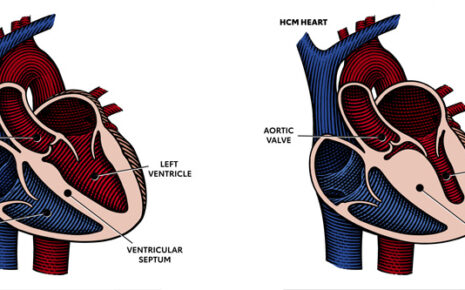
The heart is one of the most vital organs in the human body, responsible for pumping blood throughout the body to supply oxygen and nutrients. For most people, heart function is relatively straightforward, but for some, the heart muscle itself becomes the issue. One such condition that affects the heart’s ability to pump effectively is …
Continue Reading
what is Hypertriglyceridemia

What is Hypertriglyceridemia?

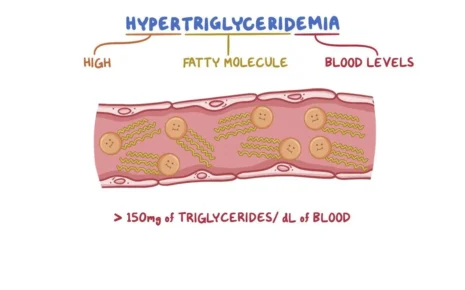
Hypertriglyceridemia refers to an elevated level of triglycerides — a type of fat found in your blood. Triglycerides are essential for storing and providing energy to your body, but when their levels become too high, they can lead to serious health problems, including heart disease and pancreatitis. Though it often doesn’t present with obvious symptoms, …

Continue Reading
What is Hypertension?

What is Hypertension?

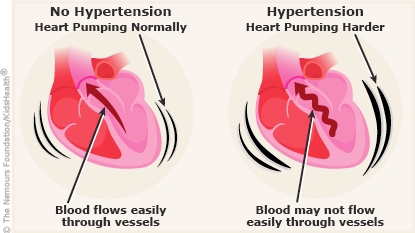
Hypertension, commonly known as high blood pressure, is a serious health condition that affects millions of people around the world. Often called the “silent killer” because it may not show any symptoms, hypertension can quietly damage your heart, blood vessels, kidneys, and other organs over time if left untreated. Early detection and proper management are …

Continue Reading
What is Hyperprolactinemia?

What is Hyperprolactinemia?

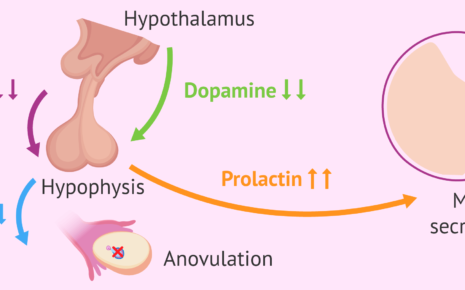
Hyperprolactinemia is a condition that occurs when there is an abnormally high level of prolactin in the blood. Prolactin is a hormone produced by the pituitary gland, a small organ at the base of the brain. While prolactin plays an important role in promoting breast milk production after childbirth, elevated levels outside of pregnancy and …

Continue Reading
What is Hyperphosphatemia?

What is Hyperphosphatemia?

Phosphorus is a vital mineral in the body, playing a critical role in bone health, energy production, and the function of cells. However, when phosphorus levels in the blood become too high — a condition known as hyperphosphatemia — it can lead to serious health problems, especially for people with underlying kidney disease. Understanding hyperphosphatemia …

Continue Reading
What is Hypercholesterolaemia?

What is Hypercholesterolaemia?

Hypercholesterolaemia is a medical term that refers to having high levels of cholesterol in the blood. Cholesterol is a waxy, fat-like substance that is essential for building healthy cells. However, when cholesterol levels become too high, it can lead to serious health issues, particularly heart disease. Managing cholesterol is important because it often builds up …

Continue Reading
What is Hypercalcemia?

What is Hypercalcemia?

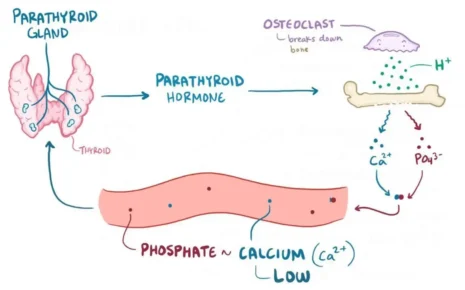
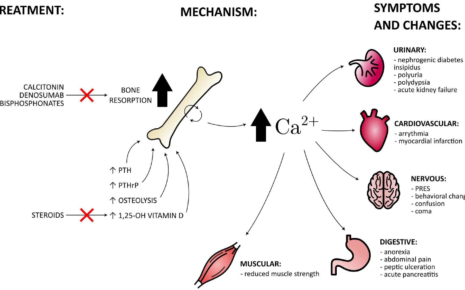
Calcium is essential for many vital body functions, including bone strength, muscle contraction, and nerve signaling. However, when calcium levels in the blood become too high—a condition known as hypercalcemia—it can cause a variety of health issues. Recognizing the signs and understanding the causes of hypercalcemia can help in managing this condition effectively. Hypercalcemia occurs …

Continue Reading
Heparest

What is Hyperammonemia?

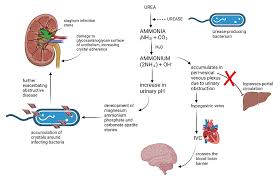
The human body constantly performs a delicate balancing act, keeping various substances within safe limits to maintain health. One such substance is ammonia, a waste product formed when proteins are broken down. Normally, the liver converts ammonia into urea, which is then excreted through urine. However, when ammonia builds up in the blood — a …

Continue Reading
What is Nephropathy?

What is Nephropathy?

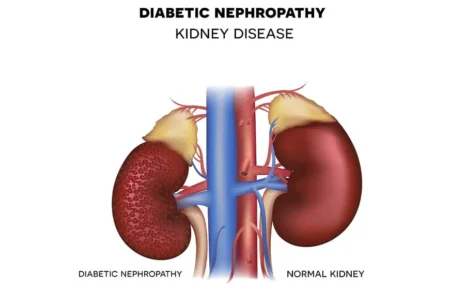
Our kidneys play a vital role in keeping the body balanced and healthy. They filter waste, regulate fluids, and control important hormones. When these organs are damaged, the consequences can affect many systems throughout the body. One of the most serious types of kidney damage is nephropathy, a condition that often develops gradually but can …

Continue Reading
What is Narcolepsy?

What is Narcolepsy?

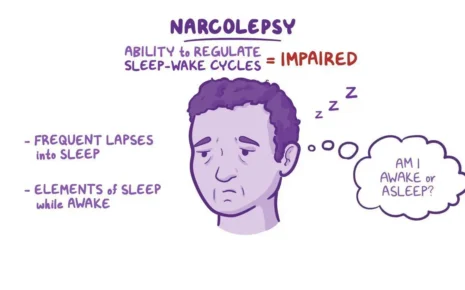
When we think about sleep problems, insomnia or sleep apnea usually come to mind first. However, narcolepsy is another serious sleep disorder that deserves attention. Often portrayed inaccurately in movies and media, narcolepsy is much more complex than simply “falling asleep suddenly.” It affects the brain’s ability to regulate sleep-wake cycles, impacting a person’s daily …

Continue Reading