$0.00
0
What Causes Esophagus Cancer

What Causes Esophagus Cancer?

Esophagus cancer is a disease in which malignant cells form in the tissues of the esophagus, the long muscular tube that connects the throat to the stomach. This type of cancer can interfere with the ability to swallow and digest food, making early detection and treatment critically important. Although it is less common than some …
Continue Reading
What is Epithelioid Sarcoma

What is Epithelioid Sarcoma?

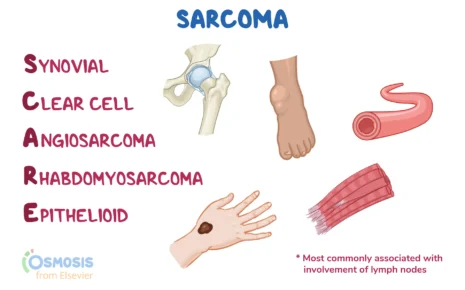
Cancer is an unpredictable and formidable disease, with many different types affecting various parts of the body. One particularly rare and aggressive form is Epithelioid Sarcoma (ES), a type of soft tissue sarcoma that can affect both young adults and older individuals. Despite being uncommon, it is critical to understand its characteristics, symptoms, diagnosis, and …

Continue Reading
What is Enterobiasis

What is Enterobiasis?

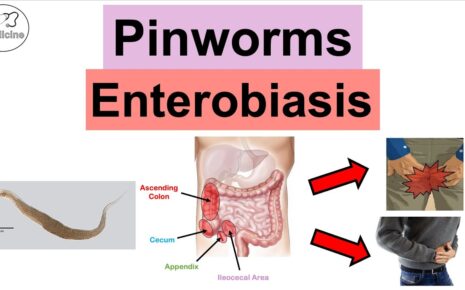
Enterobiasis, commonly known as a pinworm infection, is one of the most frequent parasitic infections in humans, especially among children. Although the condition may sound alarming, it is generally mild and highly treatable. However, due to its contagious nature, early detection and good hygiene practices are essential to prevent it from spreading within households and …

Continue Reading
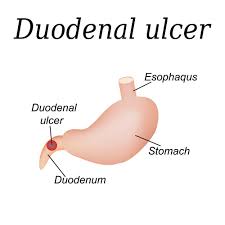
What is Duodenal Ulcers

What is Duodenal Ulcers?

Duodenal ulcers are a type of peptic ulcer that form in the first part of the small intestine, known as the duodenum. These ulcers occur when the lining of the duodenum becomes damaged by stomach acid, leading to painful sores. Although they can cause significant discomfort, duodenal ulcers are typically treatable with proper medical care …

Continue Reading
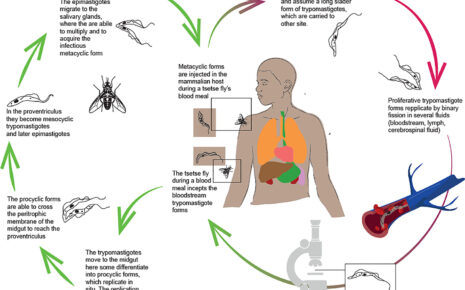
What is Trypanosomiasis

What is Trypanosomiasis?

In the vast spectrum of infectious diseases that affect both humans and animals, Trypanosomiasis stands out as a particularly insidious illness, often underrepresented in global health discussions. Also known as sleeping sickness in humans and nagana in animals, this parasitic disease is caused by protozoa of the genus Trypanosoma, transmitted primarily by the tsetse fly …

Continue Reading
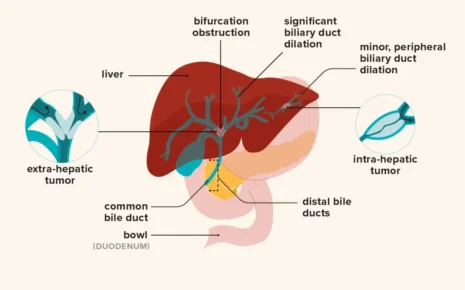
What is Duct Cancer

What is Duct Cancer?

Cancer can develop in nearly every organ of the body, and sometimes, it begins in the narrow passageways called ducts—tubes that transport fluids like bile, pancreatic enzymes, or breast milk. Duct cancer is a broad term that refers to malignancies starting in these ductal systems. While not as widely known as some other cancers, duct …

Continue Reading
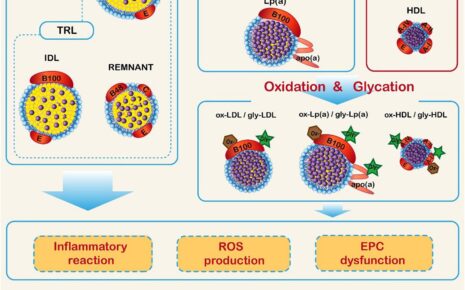
What is Diabetic Dyslipidemia

What is Diabetic Dyslipidemia?

Diabetic dyslipidemia is a common and serious complication that affects individuals with diabetes, particularly those with type 2 diabetes. It refers to the abnormal levels of lipids (fats) in the blood, which includes elevated levels of triglycerides and low levels of high-density lipoprotein (HDL) cholesterol, also known as “good” cholesterol. This lipid imbalance increases the …

Continue Reading
What is Dementia

What is Dementia?

In a world where we often take memory and cognitive abilities for granted, dementia stands as a stark reminder of how crucial these functions are to daily life. Affecting millions globally, dementia is not a single disease but rather a broad term that describes a range of symptoms affecting memory, thinking, and social abilities severely …

Continue Reading
what is Cytomegalovirus?

What is Cytomegalovirus?

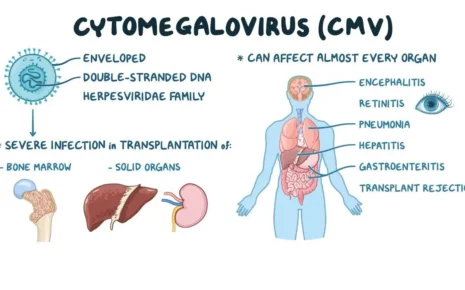
Cytomegalovirus (CMV) is a common virus that belongs to the herpesvirus family, the same group responsible for cold sores, chickenpox, and mononucleosis. While CMV infections are widespread, many people may not even realize they have it because it often causes few or no symptoms in healthy individuals. However, for certain groups — such as newborns, …

Continue Reading
What is Cushing’s Syndrome?

What is Cushing’s Syndrome?

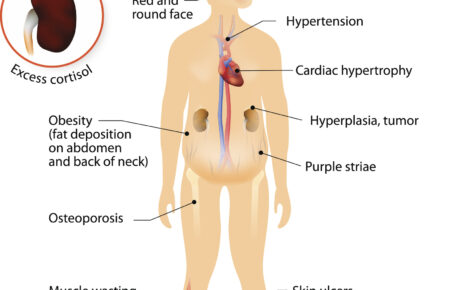
Hormones are vital to nearly every function in the human body, from metabolism to mood. One hormone in particular, cortisol, plays a critical role in how we respond to stress, maintain blood sugar, and regulate blood pressure. But what happens when the body produces too much of it? The answer is a condition called Cushing’s …

Continue Reading